The Perfect Storm: Strategic Forecast for the Global Potato Market (January 2027)
Key takeaways
- 11% harvest reduction recorded across key NEPG territories.
- 15% jump in storage rejection rates from heat damage.
- 100% surge projected for Q1 2027 potato production costs.
- Egypt winter crop faces fierce bidding from EU and Russia.
Why it matters
- For farmers
- Stored crops risk rapid deterioration from dormancy breaks; growers must monitor sprout emergence closely and evaluate early sales to avoid prohibitive refrigeration power costs over winter.
- For processors
- Input costs are set to surge up to 100% by January 2027; factories must lock in forward contracts with North African growers now and adjust starch specifications to accept alternative raw tubers.
- For traders
- Fresh Egyptian Spunta supplies will trigger intense cross-regional bidding wars between EU buyers and Russian importers; margin gains depend on securing early maritime shipping capacity.
- For suppliers
- Demand for post-harvest sprout suppressants, advanced storage ventilation units, and cooling efficiency technologies will climb sharply as packhouses battle premature tuber deterioration.
- For investors
- Frozen food manufacturers face severe margin compression and raw material inflation; capital allocation should favor processing operations with vertically integrated global supply chains.
60-second summary
North-Western European potato growers face severe post-harvest deficits following summer heatwaves, with regional harvest volumes falling by 11% across France, Belgium, Germany, and the Netherlands. The primary vulnerability has shifted to storage facilities, where elevated temperatures have induced premature dormancy breaks in tubers. Escalating cooling and energy bills are compounding spoilage, raising raw processing rejection rates by up to 15%. This domestic shortage intersects directly with Black Sea shipping instability and Egypt's ongoing currency crisis. By January 2027, European processors and Russian importers will enter direct competition for Egypt's fresh winter Spunta crop. Processing production cost indices are modeled to jump 100% under baseline conditions. However, trade outcomes hinge heavily on whether Cairo restricts shipments to curb domestic inflation and if European regulators ease import standards to avert critical factory shutdowns.
As we navigate through Q3 2026, the global agricultural sector is facing a compounding crisis. The intersection of severe European droughts, Black Sea supply chain disruptions, and Egypt’s currency crisis is setting the stage for an unprecedented potato market bottleneck by January 2027. This interactive brief provides deep-dive scenarios and strategic models for industry stakeholders.
1. The European Supply Crunch: From Field to Warehouse
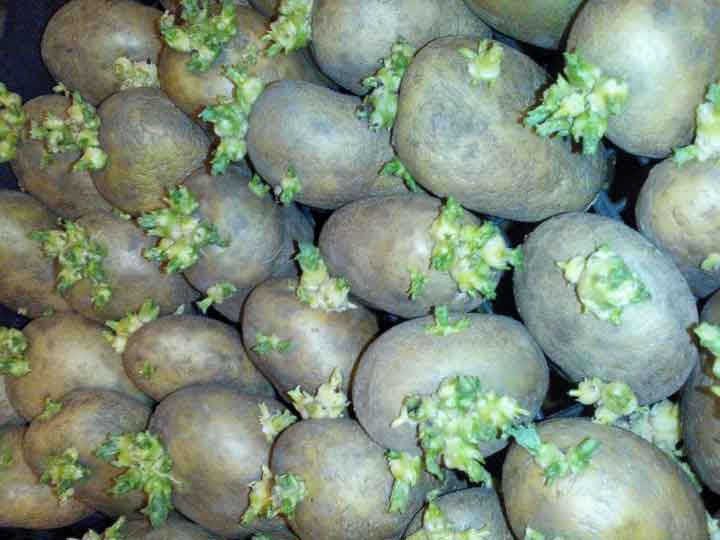
Following the extreme heatwaves of summer 2026, the North-Western European Potato Growers (NEPG) observed significant yield drops. The crisis is now moving from the fields into the warehouses. Heat-stressed tubers are exhibiting early dormancy breaks, leading to premature sprouting in storage.
- Yield Reduction: Estimated 11% drop in harvest volumes across the NEPG zone (Belgium, France, Germany, Netherlands).
- Storage Failures: High energy costs restrict the use of continuous cold storage, increasing rejection rates for processing potatoes by up to 15%.
2. Scenario Analysis Matrix: Q1 2027 Market Dynamics
Evaluate your exposure using the following multi-variable scenario matrix based on Egyptian export volumes and European storage survival rates:
Weekdays. Unsubscribe in one click.
| Scenario | EU Storage Survival Rate | Egyptian Export Availability | Projected Price Impact (Processing) | Strategic Recommendation |
|---|---|---|---|---|
| A: Mild Squeeze | > 85% | High (Unrestricted) | +15% to +25% above avg. | Maintain standard spot market procurement. |
| B: Severe Crunch (Most Likely) | < 75% | Moderate (Russian competition) | +60% to +80% above avg. | Aggressively lock in Q1 contracts now. |
| C: Black Swan | < 65% | Low (Domestic export bans) | +120%+ (Historic highs) | Initiate crisis protocols immediately. |
3. The January 2027 Tug-of-War: Geopolitical Bidding
By mid-winter, domestic stocks of high-quality processing potatoes will reach critically low levels. The market’s focus will pivot to Egypt’s fresh winter harvest (primarily the Spunta variety).
| Market Player | January 2027 Status | Strategic Outlook & Actions |
|---|---|---|
| European Union | Severe raw material deficit for fry and chip processors. | Processors will pay heavy premiums. Anticipate emergency easing of sanitary import regulations. |
| Russia | Traditional major buyer facing winter shortages. | Will fiercely compete with the EU for Egyptian volumes, offering price incentives or commodity swaps (grain-for-potatoes). |
| Egypt | Holder of the “golden crop” but trapped in a currency shortage. | Desperately needs USD to buy inflated Black Sea wheat. Will maximize potato exports despite the risk of domestic food inflation. |
4. Predictive Data Readout: Cost-to-Produce Simulator
The following simulation demonstrates the compounding cost multipliers for frozen french fry production by January 2027, assuming Scenario B conditions:
📊 Cost Multiplier Breakdown: Q1 2027
Base Production Cost = 1.00x
+ 0.65 ➔ Raw Material Spot Price (EU Shortage)
+ 0.15 ➔ Cold Storage Energy Premium
+ 0.12 ➔ Freight & Logistics (Egypt to EU)
+ 0.08 ➔ Quality Rejection Factor (Dormancy Break)
Calculated Q1 2027 Production Cost Index: 2.00x (+100%)
Recommended Hedge Ratio: 🛡️ 70% Forward Contracts | 📈 30% Spot Market
5. Strategic Hedging for Processors
To survive the impending Q1 2027 volatility, industry leaders must implement the following mitigation strategies immediately:
- Forward Contracting in North Africa: Bypass spot market volatility by securing direct offtake agreements with Egyptian agrarian conglomerates before December 2026.
- Recipe Reformulation: Begin R&D testing for slightly lower-starch potato blends or explore alternative binders to accommodate suboptimal tuber qualities.
- Portion Optimization (Shrinkflation): Fast-food chains should proactively redesign packaging and combo-meal structures to subtly reduce the volume of fries per serving, offsetting the doubled production costs.
Global Potato Brief
Top five stories, prices, disease alerts and events. Weekday mornings, no advertising.
What next
Watch Egyptian harvest yields and Ministry export quotas in December 2026. European processors will finalize winter import contracts by late Q4. Key unknown: whether the EU will issue emergency phytosanitary waivers for Egyptian imports, or if Cairo will cap exports to combat domestic inflation.
Sources
- North-Western European Potato Growers (NEPG), September 2026, https://nepg.info
- Potatoes News Global Intelligence, September 2026, https://potatoes.news
Linked in this material
Related stories
Russian Regional Potato Market Overview: Autumn Price Map and Benchmark Values

Karelian Farmer Grows 15 Potato Varieties on 38 Hectares, Targets 300+ Tonnes