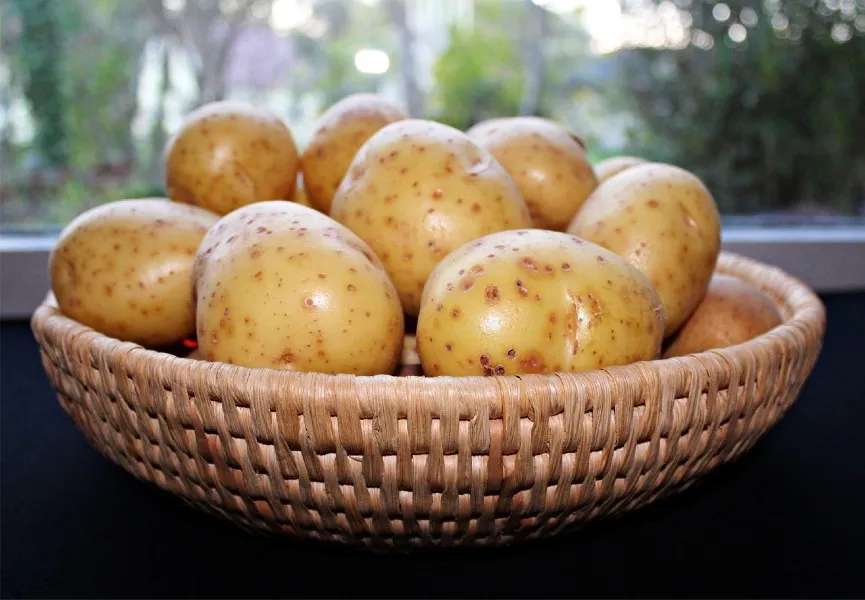
How Adaptation, Technology, and Sustainability Will Shape the Potato Industry by 2050
As the global potato industry looks ahead to 2050, it faces a rapidly changing environment marked by climate change, rising populations, and evolving consumer preferences. The humble potato, which has sustained civilizations for centuries, is set to continue playing a critical role in global food systems. However, its future success will depend on how the industry adapts to these new challenges. This article explores the opportunities and innovations that will define the global potato industry by 2050, focusing on key areas like climate resilience, precision agriculture, and sustainable processing.
Climate-Resilient Potato Varieties: The Foundation of Future Food Security
Climate change is one of the most pressing challenges for global agriculture. The potato industry, which is highly sensitive to changes in temperature and precipitation, must focus on developing climate-resilient varieties. Advances in biotechnology, particularly genetic modification and gene editing techniques such as CRISPR-Cas9, will allow breeders to create potatoes that can withstand extreme weather events, resist diseases, and thrive in diverse climates. These new varieties will be crucial for maintaining potato production in regions that are currently vulnerable to climate disruptions.
For example, researchers are already working on drought-tolerant potatoes that can survive in areas facing water scarcity, as well as varieties resistant to late blight, a disease that continues to cause significant crop losses worldwide. As the industry moves toward 2050, regional adaptation will be key, with tailored solutions for different climates, such as heat-tolerant varieties for Africa or flood-resistant potatoes for Southeast Asia.
Precision Agriculture and Digital Technologies: Revolutionizing Potato Farming
By 2050, the integration of precision agriculture and digital technologies will transform the way potatoes are grown. Sensors, drones, satellite imagery, and advanced data analytics will provide farmers with real-time information on soil conditions, crop health, and weather patterns, enabling them to make informed decisions and optimize resource use. This data-driven approach will increase productivity while reducing environmental impact by minimizing the use of water, fertilizers, and pesticides.
One of the most important advancements will be in precision irrigation. Water is a critical resource for potato farming, and precision irrigation technologies that deliver water directly to the root zones will reduce waste and improve water use efficiency. Similarly, AI and machine learning will enable farmers to predict crop yields, detect pest outbreaks, and optimize nutrient application, further enhancing the sustainability of potato farming practices.
Autonomous machinery, such as GPS-guided tractors and harvesters, will also become a common feature on farms by 2050. These machines will increase efficiency, reduce labor costs, and minimize soil compaction, which is crucial for maintaining soil health.
Innovations in Potato Processing: Sustainability and Consumer Preferences
The potato processing sector will play an increasingly important role in the industry’s future. As the demand for processed potato products grows, the sector must adapt to meet both environmental and consumer needs. The adoption of energy-efficient technologies and renewable energy sources in processing plants will help reduce the carbon footprint of the potato industry. Additionally, new processing methods like high-pressure processing (HPP) and vacuum frying will improve the nutritional profile of potato products while minimizing their environmental impact.
Consumer preferences are also evolving, with growing demand for healthier, plant-based, and sustainable food options. The potato processing industry will need to develop products that meet these preferences, such as gluten-free, organic, or plant-based alternatives. By 2050, innovations like potato-based meat alternatives could become mainstream, aligning with the trend toward more sustainable and ethical food choices.
A Collaborative Future for Potato Research and Development
Global collaboration will be crucial for the future of the potato industry. International research institutions, government agencies, and private companies must work together to share knowledge, resources, and technologies. Public-private partnerships, like those between the International Potato Center (CIP) and the Bill & Melinda Gates Foundation, have already made significant strides in developing drought-resistant varieties for regions like sub-Saharan Africa. By 2050, such collaborative efforts will be essential for accelerating the development and distribution of climate-resilient potato varieties.
Conclusion: Adapting to a Changing World
The global potato industry stands at a crossroads. With challenges like climate change, population growth, and shifting consumer preferences, the industry must embrace innovation, sustainability, and collaboration to thrive in the years ahead. By investing in climate-resilient varieties, precision agriculture technologies, and sustainable processing practices, the potato industry can secure its future as a vital source of food and economic opportunity. The journey to 2050 will be complex, but with the right strategies, the potato industry can emerge as a leader in global food security, sustainability, and innovation.