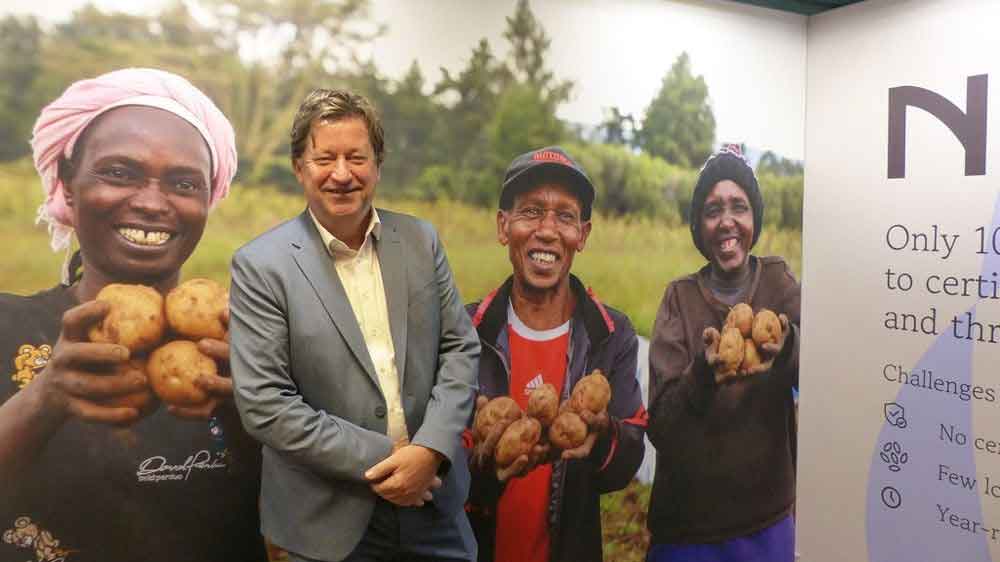
In a recent interview, Hans Huistra, CEO of the Dutch seed company Royal HZPC Group, outlined the company’s ambitious roadmap for the future of potato breeding, emphasizing that new varieties must meet the evolving expectations of both growers and consumers. With research teams evaluating nearly a million breeding lines annually, HZPC utilizes genetic markers from the very start of the selection process to identify key traits like disease resistance. A major focus of their long-term strategy is diploid hybridization, an area where the company has invested heavily for over two decades. Huistra confirmed that the first diploid variety has already been launched in the African consumer market, with the next generation expected to arrive in about ten years, positioning HZPC as a pioneer in this field. While optimistic about diploids, Huistra is skeptical about the potential of True Potato Seed (TPS) for European farming due to its excessively long vegetative cycle, though the company is preparing to adopt new genomic techniques pending EU regulatory approval.
To drive growth, the seed giant is concentrating on its four core markets: fresh produce (powered by best-sellers Lucinda and Colomba), export, and the processing sectors for chips and fries. Huistra noted that while the processing industry experienced a fantastic period of profitable growth, global expansion has now outstripped demand, requiring a new market equilibrium. HZPC’s response is to focus on developing protected, high-performance varieties to replace older ones like the legendary but outdated Spunta. The goal is to create potatoes that deliver greater value throughout the supply chain, require fewer chemical inputs, and feature enhanced resistances to viruses and bacteria like Erwinia, while also being easier to multiply for seed production. This strategy is bolstered by a major multi-brand expansion: the recent acquisition of Irish seed company IPM, which Huistra hopes will replicate the transformative success of the Stet purchase 28 years ago, which saw its annual seed sales grow from 30,000 to nearly 200,000 tons.