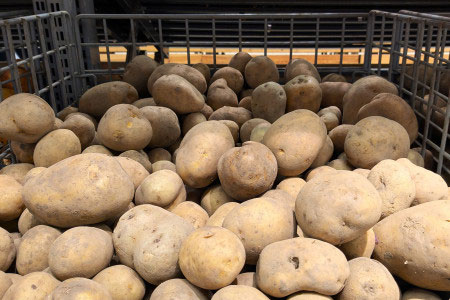
Governor Alexei Besprozvannykh has called for a ban on potato exports from Kaliningrad until the region reaches full self-sufficiency. However, local farmers claim they already avoid exporting due to unprofitable logistics—raising questions about the necessity of such restrictions.
The Governor’s Argument: Keeping Potatoes Local
Besprozvannykh argues that while Kaliningrad is nearly self-sufficient in potatoes, even small-scale exports (reportedly around 5% of the 2024 harvest) risk destabilizing local supply. He highlighted rising retail prices and double logistics costs when potatoes are reimported.
“Why export when we’re not fully self-sufficient? Paying twice for logistics makes no sense,” he stated. The governor has tasked the Ministry of Agriculture with negotiating a voluntary halt to exports.
Farmers’ Response: Exports Are Already Nonexistent
Farmers counter that exports are economically unviable. Denis Chechulin, head of KFH “Kalina,” told RUGRAD:
“We don’t export potatoes to mainland Russia—logistics are too expensive. Belarusian and Russian producers outcompete us on price.”
Instead, KFH “Kalina” focuses on seed potato shipments, which remain unaffected. Other farms echoed this, noting that transport costs (which can add 30–50% to prices) make large-scale exports impractical.
Market Realities: Shortages and Price Spikes
A 2024 potato shortage in Central Russia led Kaliningrad farmers to sell surplus stocks nationally, reducing local supply. SPAR’s deputy director, Alexei Yelaev, confirmed “very high procurement prices” due to scarcity.
Globally, potato prices have risen (+15% in the EU, +20% in the U.S. in 2023–2024 due to climate-related yield drops). Kaliningrad’s situation mirrors this trend, but forced export bans may not address the core issue: production scalability.
Policy vs. Practicality
While the governor aims to stabilize prices, farmers argue that market forces already limit exports. Instead of bans, investing in storage, seed quality, and subsidies for local sales could better ensure supply. Overregulation risks stifling farms without solving logistical or competitive hurdles.