
PepsiCo and Fertiberia Expand Green Fertilizer Partnership to Decarbonize European Agriculture
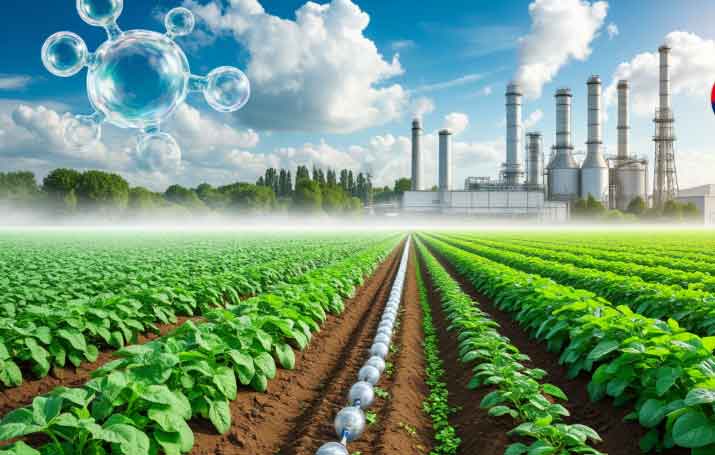
PepsiCo and Fertiberia, Spain’s largest fertilizer producer, have entered into a long-term agreement to deploy high-tech green hydrogen-based fertilizers across Europe. Fertiberia will gradually supply up to 150,000 metric tons of its Impact Zero fertilizers to PepsiCo by 2030 — enough to cover approximately 400,000 acres (162,000 hectares) of farmland growing key crops such as potatoes, corn, sunflowers, sugar beets, and rapeseed, which are essential ingredients for popular PepsiCo brands including Lay’s, Doritos, Ruffles, and Cheetos. PepsiCo expects that, thanks to this partnership and existing supplier agreements, low-carbon fertilizers will account for nearly 50% of its European supply chain by 2030. Fertilizers currently account for about 2% of global greenhouse gas emissions, and their production and use represent roughly half of PepsiCo’s carbon footprint for potato cultivation in Europe.
The collaboration builds on a successful pilot project in Spain and Portugal, where low-carbon fertilizers reduced emissions from potato cultivation by 15% and corn cultivation by 20%. Fertiberia’s fertilizers are produced using green hydrogen instead of natural gas, cutting greenhouse gas emissions by 63%, and the company also employs slow-release fertilizers and biological inhibitors to enhance yields and minimize nutrient loss. Beyond supplying low-carbon fertilizers, the partners plan to provide farmers with technical advice and digital tools, including precision agriculture technologies. PepsiCo has publicly committed to implementing regenerative agricultural practices on 10 million acres globally by 2030 and reducing GHG emissions from forests, land, and agriculture by 30% by 2030 (compared to 2022 levels). The program will initially launch in France, Romania, Serbia, Greece, and Türkiye, then expand to Spain and Portugal, with further European countries to follow.
Keywords: PepsiCo, Fertiberia, green fertilizers, low-carbon fertilizers, green hydrogen, regenerative agriculture, decarbonization, Impact Zero, Europe, emission reduction, precision agriculture, supply chain sustainability
Global Potato Brief
Top five stories, prices, disease alerts and events. Weekday mornings, no advertising.
Linked in this material
Related stories
Northern Ireland: Glens of Antrim Potatoes Enters Administration, 95 Jobs Lost

Pakistan: Fruit and Potato Exporter Raises Rs1.2 Billion as IPO Book-Building Is Oversubscribed 1.6 Times


