The Importance of Temperature Control in Potato Storage for Chip Production
Managing the temperature at which potatoes are stored is critical for ensuring the quality of chips and the efficiency of the storage process. This delicate balance directly affects both the sugar content within the potatoes and the propensity for sprouting, presenting a significant challenge for producers.
Impact of Temperature on Potato Quality
Temperature plays a pivotal role in the biochemical processes within stored potatoes, particularly those intended for chip production:
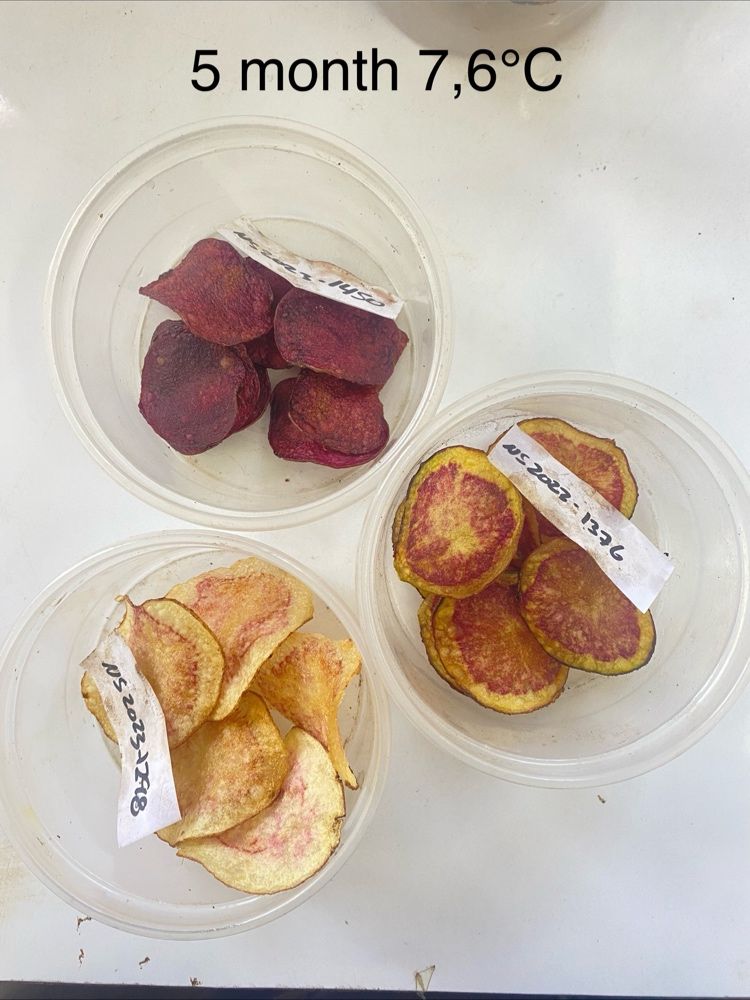
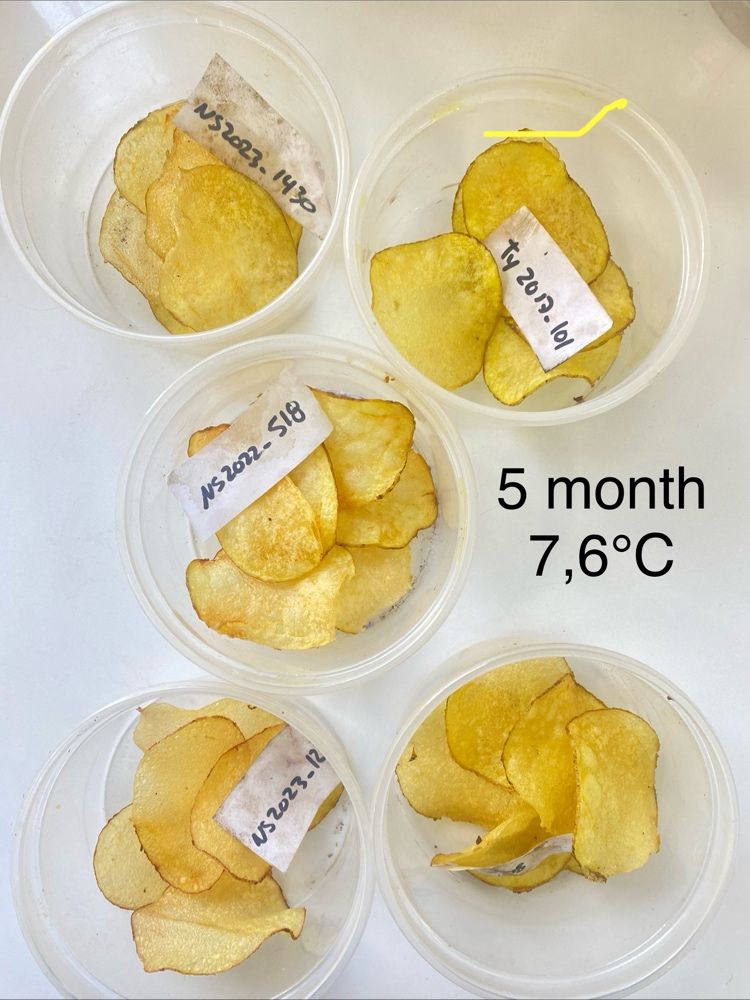
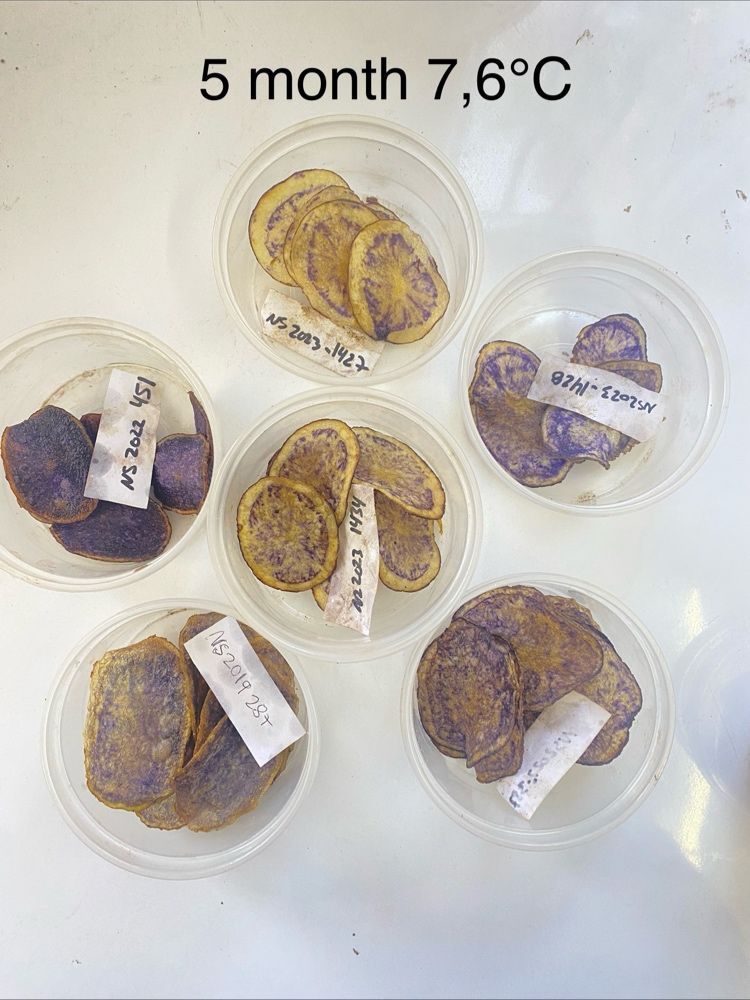
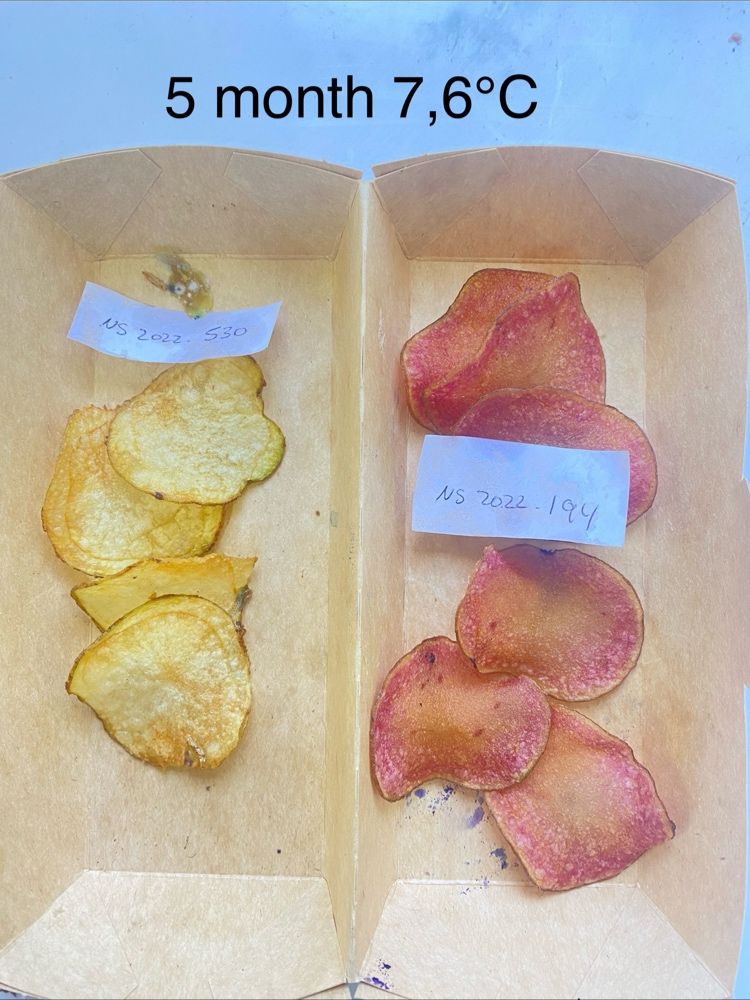
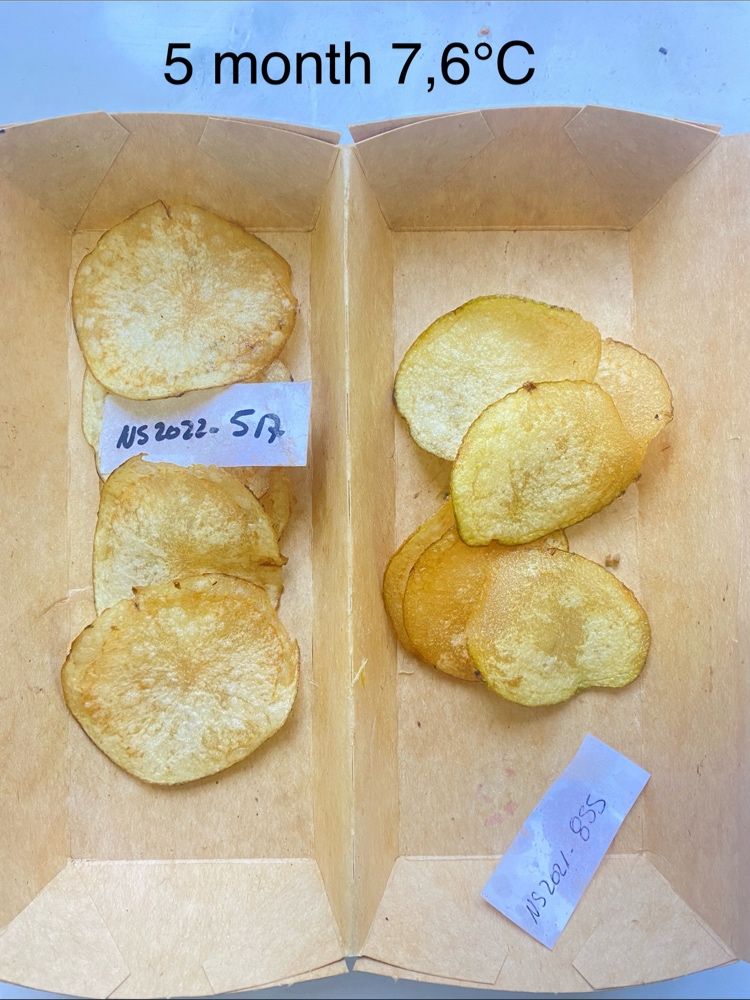
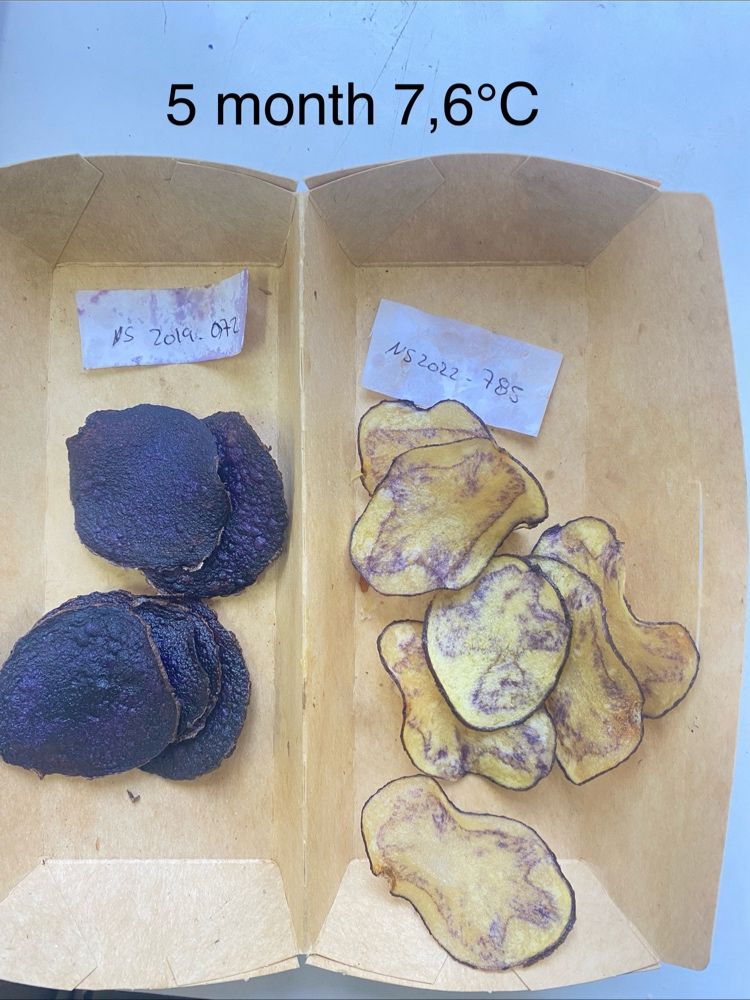
- Sugar Content: When potatoes are stored at temperatures below 7°C, an increase in reducing sugars occurs. During frying, these sugars cause excessive browning, leading to undesirable dark-colored chips, which are often rejected by consumers.
- Sprouting: Storing potatoes at temperatures above 5°C promotes sprouting. Managing sprouting is labor-intensive and can cause damage to the potatoes, ultimately reducing yield and quality.
The Storage Dilemma
Producers face a challenging dilemma when deciding on the optimal storage temperature for potatoes:
- Colder Storage (Around 7°C): While this temperature range helps to prevent spoilage and sprouting, it also increases the sugar content in the potatoes. This results in dark chips during frying, which are less appealing and can negatively impact marketability.
- Warmer Storage: Storing potatoes at warmer temperatures reduces the accumulation of sugars, thus maintaining the desired light color of chips during frying. However, this approach accelerates sprouting and shortens the overall storage life of the potatoes, requiring more frequent intervention and management.
Breeding Efforts for Optimal Storage
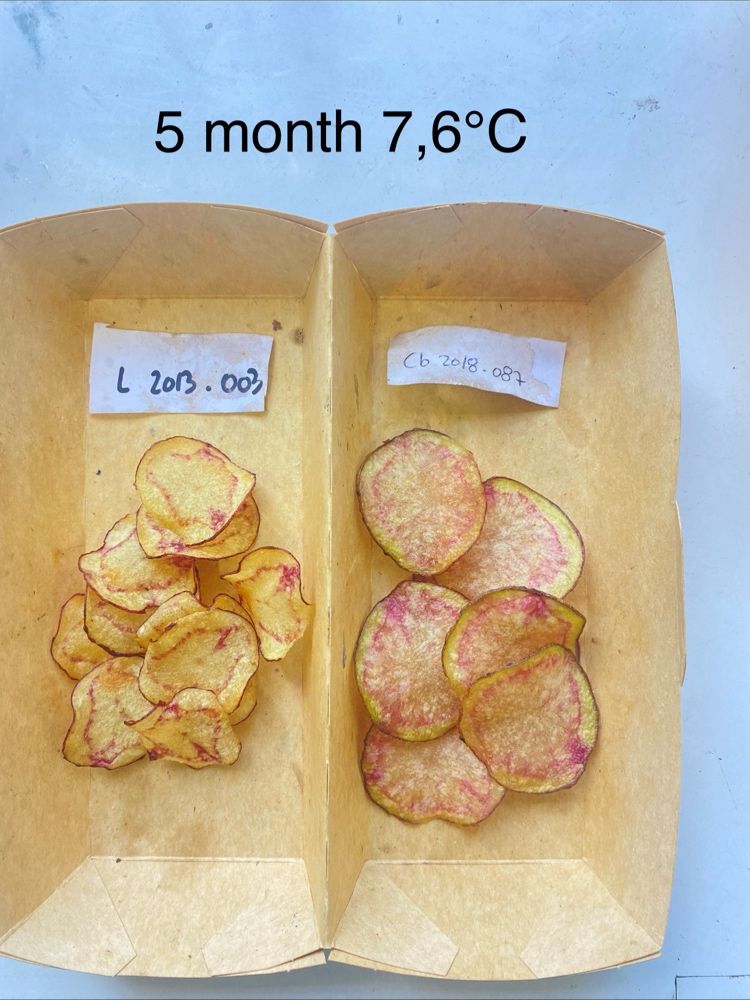
To address this issue, efforts are being made in potato breeding to develop lines that can withstand storage at around 7°C without significant increases in sugar content. These advancements aim to maintain the quality of chips while also extending the storage life and reducing the labor required for sprout management.
As reported by Boris Contreras, these breeding initiatives are critical for optimizing the storage conditions of chip-quality potatoes, balancing the need to prevent both excessive sugar accumulation and sprouting.