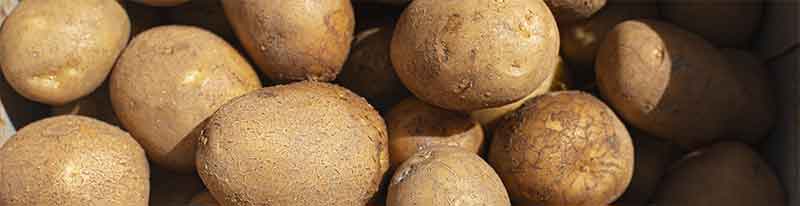
South Korea is preparing for the early summer harvest and distribution of “Haji potatoes,” named after one of the 24 seasonal divisions (Haji, which falls around June 21). With approximately one month remaining until the harvest, major potato varieties in the mountainous Gangwon region are entering the final stage of preparation for the upcoming growing season. These spring-planted potatoes have a growing period of about 80–100 days and are shipped in early summer. Unlike stored potatoes, freshly harvested “sun potatoes” feature thinner skins, higher moisture content, and a softer texture. Boiling or steaming is considered the best way to enjoy their original, seasonal flavor. According to Statistics Korea, last year (2025), early summer shipments of domestically produced spring potatoes reached approximately 356,000 tons. Gangwon Province, one of the country’s largest potato producers, cultivated 14,927 hectares and produced about 48,790 tons, accounting for 13.6% of the national total.
As the Haji potato season approaches, distribution companies are working to secure supply volumes and develop sales strategies aligned with shipment schedules. Beyond fresh supply, the potato processing market is also thriving. Rest areas in Gangwon offer potato-based tourist snacks, including potato bread and egg-shaped potatoes, which remain consumer favorites. In recent years, social media and video platforms have popularized variations using cheese seasoning, spicy sauces, and simple air-fryer recipes such as butter-grilled potato chwijang (fermented soybean paste) and potato salad. The industry notes that consumption of seasonal agricultural products now extends beyond raw ingredient procurement to processed foods, dining out, and tourism, thereby enhancing the added value of local produce. Given the short harvest window typical of seasonal products, the end of June — the start of the sun potato harvest — is expected to be a critical period for both farmers and the distribution market.