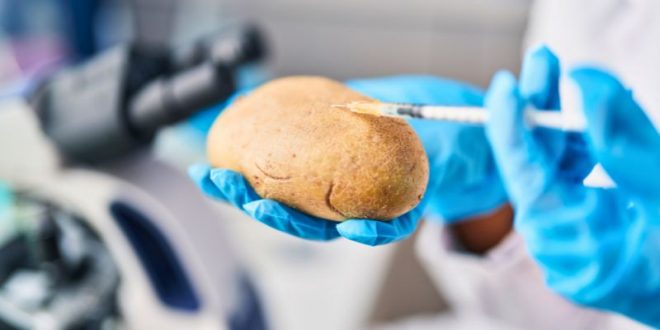
Potato is a staple crop worldwide, but its consumption is fraught with risks due to the presence of glycoalkaloids. These natural compounds, especially α-solanine and α-chaconine, may pose health risks if consumed in excess. However, recent research has uncovered a promising solution: CRISPR gene editing.
The study, published in the journal Biocatalysis and Agricultural Biotechnology, sheds light on the effectiveness of CRISPR in reducing alpha-solanine levels in potatoes. By targeting the sgt1 gene, which is responsible for the synthesis of glycoalkaloids, the researchers successfully created potatoes with lower levels of this toxic compound. Notably, the study found that although alpha-solanine levels decreased, there was no significant change in alpha-chaconine levels, allowing potato quality to be maintained.
The implications of this breakthrough are enormous for the agricultural industry. Farmers can now grow potatoes with fewer health risks, offering consumers safer food options. Agronomists and agricultural engineers have a new tool at their disposal to improve the properties of crops and ensure food safety. Moreover, agricultural scientists can explore further applications of CRISPR technology to improve crop sustainability and nutritional value.
This advance in gene editing technology not only addresses pressing potato safety concerns, but also paves the way for future innovations in agriculture. As researchers continue to refine CRISPR techniques, the potential for creating genetically modified crops with improved characteristics becomes increasingly promising.
The use of CRISPR gene editing to reduce harmful glycoalkaloids in potatoes marks a major milestone in agricultural innovation. By targeting the sgt1 gene, researchers have successfully created safer potatoes without sacrificing nutritional quality. This breakthrough highlights the transformative potential of gene editing technology to address food safety issues and promote sustainable farming practices.