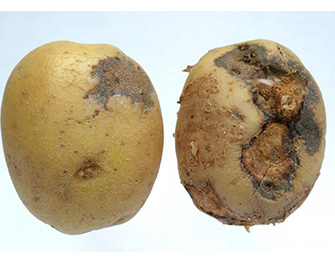
Root rot is a common and detrimental disease that affects potato plants, causing decreased yield and quality of the crop. It is caused by various soilborne pathogens such as Pythium, Phytophthora, and Fusarium. The disease is most prevalent in regions with high humidity and poorly drained soils.
Prevention is the best method for controlling root rot in potatoes. Here are some strategies to keep this disease at bay:
- Plant Disease-Resistant Varieties: Selecting potato varieties that are bred for disease resistance can help reduce the likelihood of root rot. These varieties have natural defenses against the pathogens that cause the disease.
- Proper Crop Rotation: Rotating crops in the field can prevent the buildup of pathogens in the soil. Avoid planting potatoes in the same location year after year, as this can increase the risk of root rot.
- Improve Soil Drainage: Root rot thrives in wet and poorly drained soils. Ensuring proper soil drainage through measures such as installing drainage tiles or raised beds can help reduce the risk of the disease.
- Practice Good Sanitation: Remove and destroy any infected plant material to prevent the spread of the disease. Clean tools and equipment thoroughly to avoid cross-contamination.
- Use Fungicides: In severe cases of root rot, fungicides can be used to help control the disease. Consult with a local agricultural extension office or a professional for guidance on the most effective fungicides to use.
- Implement Proper Irrigation: Overwatering can create ideal conditions for root rot to develop. Monitor soil moisture levels and only water when necessary to prevent waterlogged soils.
- Monitor Plant Health: Regularly inspect potato plants for signs of root rot, such as wilting, yellowing leaves, and stunted growth. Early detection is key to managing the disease before it spreads.
By implementing these control measures, farmers can help protect their potato crops from the damaging effects of root rot. Taking a proactive approach to disease management can lead to healthier plants and improved yields.