Coinciding with the international celebrations of Potato Day, the Araucanía region of Chile has initiated a major transition toward eco-friendly agriculture. The newly launched project, “Papa Huella Cero: protocolo de transición agroecológica para los sistemas productivos de papa” (Zero Footprint Potato: agroecological transition protocol for potato production systems), aims to scale back the heavy reliance on synthetic pesticides and fertilizers in one of the region’s most critical crop sectors.
Executed by the Agricultural Research Institute (INIA Carillanca) and backed by the Foundation for Agrarian Innovation (FIA), this regional initiative represents a major leap forward in sustainable food production.
Below is an analytical overview of the project’s design, scientific methodologies, and local community impact.
Key Pillars of the “Papa Huella Cero” Project
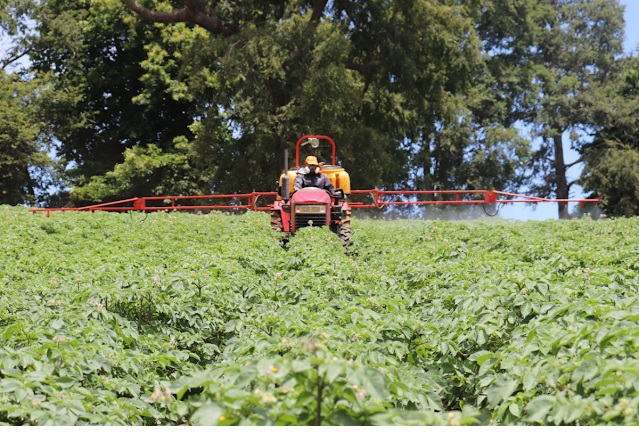
Potato farming historically demands intensive chemical treatments to ward off persistent pests and fungal diseases. The “Papa Huella Cero” project seeks to break this chemical dependency by providing farmers with biological alternatives and precision data.
- Investment and Duration: The project is supported by an investment of
$147$million Chilean pesos and is scheduled to run for a duration of$36$months. - Geographical Scope: Operations are centered at the Tranapuente Regional Potato Center, spanning Cautín and Malleco provinces. The efforts directly target seven key potato-producing municipalities under the “Convenio Tranapuente” framework: Carahue, Saavedra, Toltén, Teodoro Schmidt, Gorbea, Nueva Imperial, and Freire.
- Direct Field Implementation: Rather than remaining a theoretical academic exercise, the project involves implementing and testing
$200$tailored agroecological management plans directly on active smallholder farms.
The Science: Measuring Safety via the EIQ Index
A key differentiator of this project is its rigorous, science-backed approach to measuring chemical exposure. Rather than just advising farmers to use fewer pesticides, the initiative utilizes the international Environmental Impact Quotient (EIQ) methodology.
The EIQ is a scientific tool designed to calculate the specific environmental and health risks associated with different active ingredients in agricultural chemicals. It assesses three critical exposure categories:
- Farm Workers: Measuring risks of skin, respiratory, and chronic exposure during mixing and application.
- Consumers: Assessing residual chemicals remaining on harvested tubers.
- Ecosystem & Biodiversity: Measuring the negative footprint left on soil biology, groundwater, and beneficial insects such as pollinators (bees).
Empowering Farmers with Digital Tools
To bridge the gap between complex agronomic science and daily field labor, the project features a strong digital and participatory component:
- Mobile Support App: Researchers are developing a specialized mobile application tailored to the local climate conditions of La Araucanía. This app will provide smallholders with simple, real-time diagnostic tools to detect pests early and make informed, low-impact treatment decisions in the field.
- Maintaining Productivity: Project leaders Patricio Méndez Leal and Claudia Osorio Ulloa emphasize that the transition is designed to protect yields. The target is to prove that reducing synthetic inputs can actually lower operating costs and preserve high productivity, thereby improving net profit margins.
- Local Perspectives: Participating local grower Mariela Concha welcomed the initiative, highlighting how this scientific backing complements her existing on-farm sustainability practices, which include solar power, rainwater harvesting, and organic composting.
Information Sources
This article was prepared using specialized agricultural reports from the portal Argenpapa (argenpapa.com.ar, news item # $17350$), featuring official launch announcements and field summaries published by the Chilean Instituto de Investigaciones Agropecuarias (INIA Carillanca), and statements released by the Fundación para la Innovación Agraria (FIA) of Chile.