Bangladesh Potato Exports Halve as Freight Costs Surge and Competition Intensifies
Key takeaways
- Exports fell 49% to 20,604 tonnes
- Revenue down 37.8% to $8.89 million
- Container freight rose from $2,500 to $10,000
- Egypt and Syria crowded out Middle East sales
- Malaysia, Nepal and UAE remain top destinations
Why it matters
- For traders
- At $10,000 a container the freight, not the farmgate price, decides competitiveness — and Egyptian and Syrian supply is already sitting in the Middle Eastern markets Bangladesh used to serve.
- For suppliers
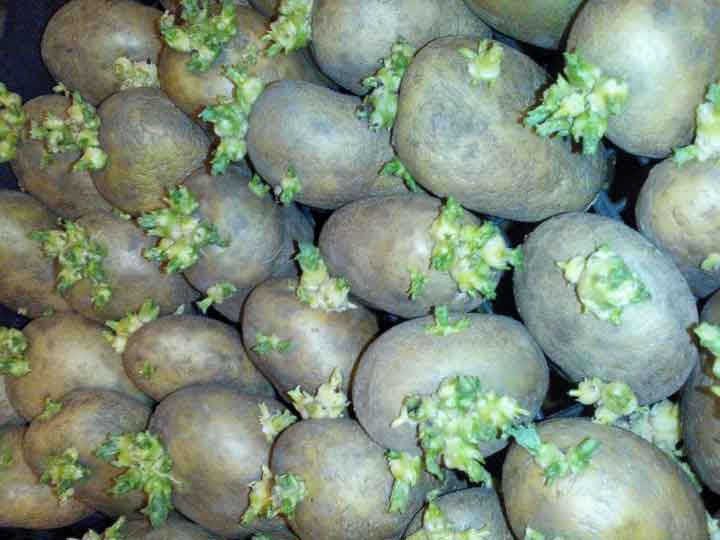
- Sprouting in prolonged storage is what stops year-round shipment: storage technology is the constraint on the export window, not production volume.
60-second summary
Potato exports through Chittagong port fell by nearly half in the past fiscal year, from 40,543 tonnes to 20,604, with revenue down 37.8% to $8.89 million. The main cause sits outside the sector: container freight rates rose from roughly $2,500 to almost $10,000, driven by tensions in the Middle East, and Bangladeshi potatoes stopped being competitive at that cost. Two other pressures compound it — bumper harvests in Egypt and Syria displaced Bangladeshi supply in Middle Eastern markets, and prolonged storage brings sprouting, which limits year-round shipment. Malaysia at $3.68m, Nepal at $3.52m and the UAE at $0.77m remain the largest destinations.
Bangladesh’s potato export sector has suffered a dramatic setback over the past fiscal year, with shipments through Chittagong port plunging by nearly half—from 40,543 tonnes to just 20,604 tonnes, a 49% decline. Export revenue followed suit, dropping 37.8% to $8.89 million, according to the exporters’ association. The primary culprit is the skyrocketing cost of shipping: container freight rates have leapt from roughly $2,500 to nearly $10,000 per container, driven by geopolitical tensions in the Middle East. This logistical nightmare has made Bangladeshi potatoes significantly less competitive in overseas markets.
Compounding the freight crisis are two additional headwinds. A bumper harvest in Egypt and Syria has crowded out Bangladeshi supplies from key Middle Eastern destinations, while prolonged storage leads to tuber sprouting, limiting the country’s ability to export year-round. Despite these challenges, Malaysia ($3.68M), Nepal ($3.52M), and the UAE ($0.77M) remain the top three destinations. Without urgent interventions on logistics, storage infrastructure, and market diversification, Bangladesh risks losing further ground in the global potato trade.
Global Potato Brief
Top five stories, prices, disease alerts and events. Weekday mornings, no advertising.
What next
The article frames logistics, storage infrastructure and market diversification as the interventions needed to stop further loss of share.
Sources
- Bangladesh exporters’ association — figures cited in the article
Linked in this material
- Country
- Bangladesh
Related stories
Russian Regional Potato Market Overview: Autumn Price Map and Benchmark Values

Karelian Farmer Grows 15 Potato Varieties on 38 Hectares, Targets 300+ Tonnes