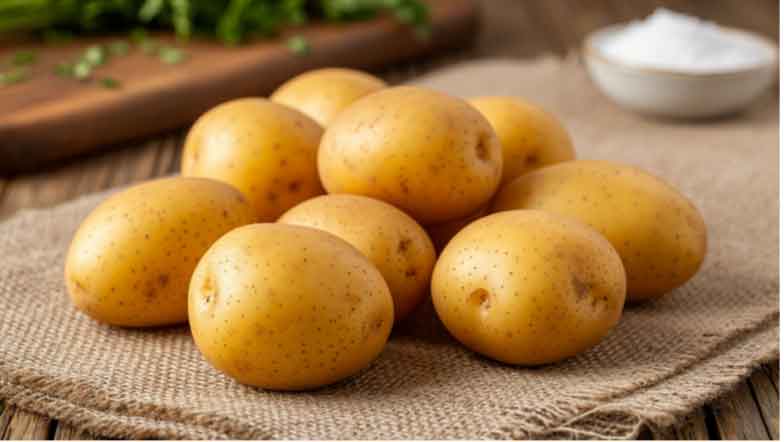
As 2026 marks 30 years since the commercial cultivation of genetically modified organisms (GMOs) began globally, South Korea finds itself at a crossroads regarding its regulatory framework. While the country does not permit GMO cultivation, imported GM corn and soybeans have become deeply embedded in its feed and food processing supply chains. A emblematic case is the “SPS-Y9” potato developed by U.S. agribusiness J.R. Simplot. Although it received an environmental safety assessment from the Rural Development Administration (RDA) in February 2024, the approval came a full seven years after the import application was submitted in 2018. Despite having already secured approvals in Canada (2017) and Japan (2019), the product still requires final food safety clearance from the Ministry of Food and Drug Safety (MFDS) before it can be distributed in Korea. This prolonged timeline has drawn criticism from U.S. businesses and government, leading to a commitment from Seoul in a bilateral fact sheet last November to streamline its regulatory approval process for agricultural biotechnology products.
Industry experts and officials from organizations like the American Chamber of Commerce in Korea (AMCHAM) argue that the delays stem from a highly complex and redundant system under the Living Modified Organisms (LMO) Act. The process mandates consultations with up to five different agencies beyond the primary reviewing body, leading to overlapping requests and unpredictable timelines. Critics, including Professor Yangdo Choi from Seoul National University, point out that non-specialists in these agencies sometimes request irrelevant data, further prolonging reviews. This bureaucratic bottleneck poses a significant risk to trade; as a major importer of bulk commodities, any delays in approving new biotech events can lead to supply chain disruptions. The need to segregate approved and unapproved varieties increases costs and raises the risk of low-level presence (LLP) incidents, which can result in cargo rejections. Experts suggest that South Korea should adopt more flexible international models, such as the data-sharing and collaborative review systems used by the European Food Safety Authority (EFSA) or Australia and New Zealand, to improve predictability and efficiency without compromising safety.