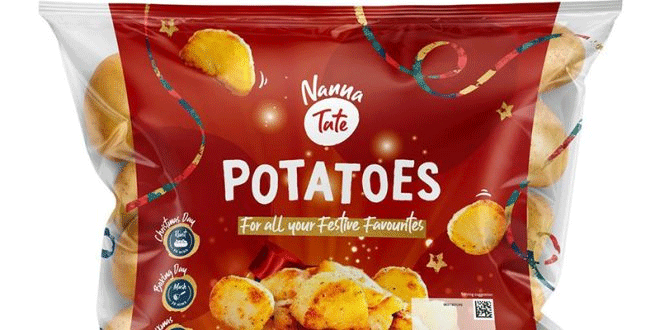


In a strategic move to capture peak holiday demand, Branston’s Nanna Tate brand has launched a festive packaging redesign for its Tesco-exclusive potato range. This initiative highlights a critical trend in the agricultural value chain: the power of marketing and value-added products to boost consumption and move volume beyond the commodity market. For producers, this case study demonstrates how aligning crop output with retail marketing calendars can create significant opportunities.
The Nanna Tate range includes a core line of fresh potatoes marketed as an “all-rounder” variety, alongside four prepared products: Super Scrumptious Mash, Super Crunch Roasties, Seriously Crispy Chips, and Yummy Cheesy Mash Bake. The limited-edition packaging, timed for the Christmas period, is a direct response to known consumer behavior. Data from the USDA and other agricultural economists consistently shows that value-added products like pre-cut, washed, and prepared vegetables command a price premium of 20-50% over their raw commodity counterparts. Furthermore, the UK’s Christmas week is a peak period for potato sales, with volumes spiking dramatically. By offering solutions for the entire holiday period (“the big day,” Boxing Day, and “Twixmas”), Nanna Tate and Tesco are not just selling potatoes; they are selling convenience and occasion-based meal solutions, which in turn drives demand for a consistent supply of high-quality tubers from their farming partners.
The Nanna Tate strategy is a powerful reminder that success in modern agriculture extends beyond yield and cost per hectare. It hinges on understanding the entire value chain, from consumer trends and retail marketing to product development. For farmers and agronomists, partnerships with processors and retailers that have strong brands are essential for de-commoditizing their crop and securing stable, profitable offtake agreements. This case underscores the importance of growing not just for volume, but for specific, value-added purposes that align with consumer occasions, thereby building a more resilient and profitable agricultural business model.