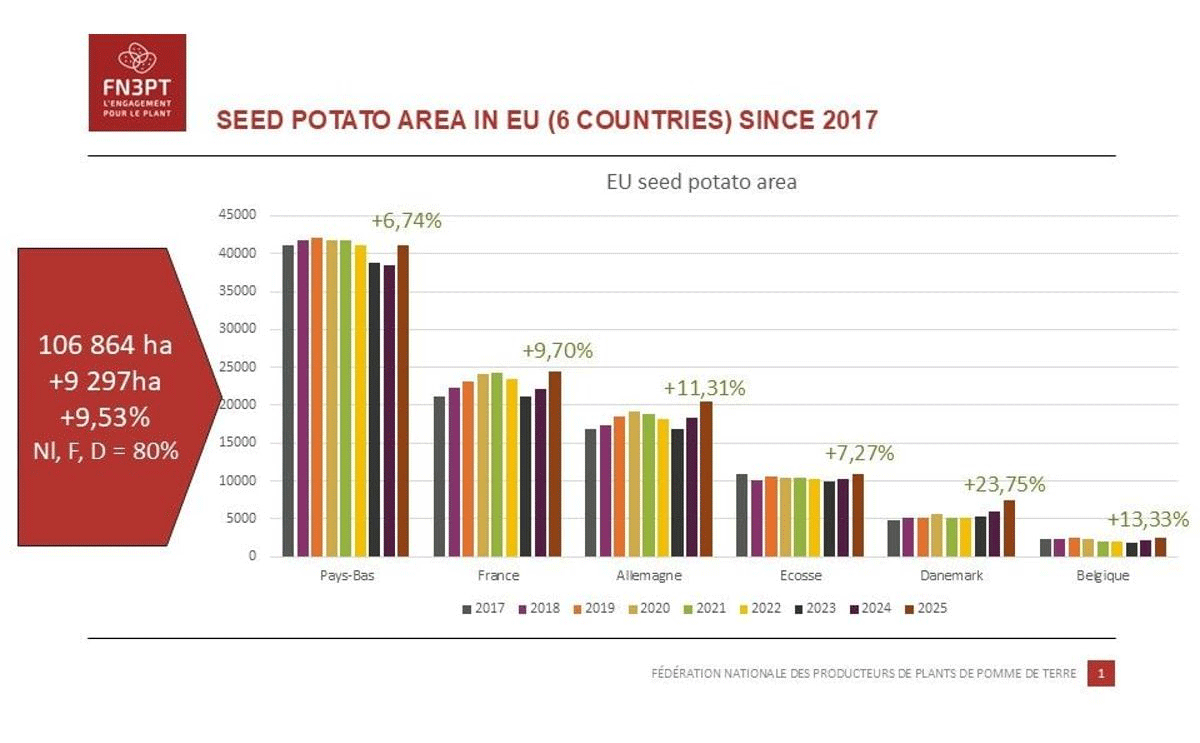
Startling new figures confirm a major production shift within the heart of Europe’s seed potato industry. For 2025, the combined seed potato cultivation area across the six main producing countries has reached 106,864 hectares, a substantial increase of 9,297 hectares (+9.53%) from the previous year. This double-digit percentage growth highlights the sector’s strategic response to robust global demand and its pivotal role in ensuring food security, both within and outside the continent.
The production landscape remains heavily concentrated, with the triumvirate of the Netherlands, France, and Germany accounting for a commanding 80% of the total seed area. This consolidation is no accident; it is the result of decades of investment in advanced breeding programs, stringent phytosanitary standards, and high-tech farm management practices that guarantee the health and genetic purity of the seed stock. These nations function as the primary engine room for supplying the genetic foundation of potato crops worldwide.
Industry analysis points to two key market forces driving this expansion:
- Demand for Processing Varieties: The explosive global appetite for frozen potato products, particularly French fries, is a primary catalyst. Breeders and seed multipliers are prioritizing high-yielding, high-solid, and disease-resistant varieties tailored for industrial processing. This aligns with global market trends; according to a recent report by PMFAI, the global processed potato market is projected to grow at a CAGR of over 4.5%, directly fueling demand for suitable raw material.
- Strength of the Export Market: The growth in “open varieties”—those not protected by plant breeders’ rights and thus freely multipliable—is particularly significant. These varieties are in high demand in export markets, including Africa and Asia, where they serve as a cornerstone for local food security and agricultural development. Europe’s ability to reliably produce and export high-quality seed is a direct response to this need.
This expansion is not merely a commercial endeavor; it is a critical component of addressing broader food security challenges. By increasing the supply of quality, certified seed, the European sector helps mitigate the massive yield losses—often estimated by the FAO to be between 30-50% in developing regions—caused by the use of diseased, informal seed. This strategic production growth ensures a stable foundation for global potato production, a crop that feeds over a billion people worldwide.
The remarkable 9.5% growth in Western Europe’s seed potato area is a powerful indicator of a healthy and responsive agricultural sector. It demonstrates a successful alignment of advanced breeding, precision agriculture, and market intelligence to meet the precise needs of a globalized food system. For farmers, agronomists, and policymakers globally, this trend underscores the non-negotiable link between elite seed systems and agricultural productivity. It also positions Western Europe as an increasingly indispensable partner in building resilient food value chains, from the field to the fryer, across the world.