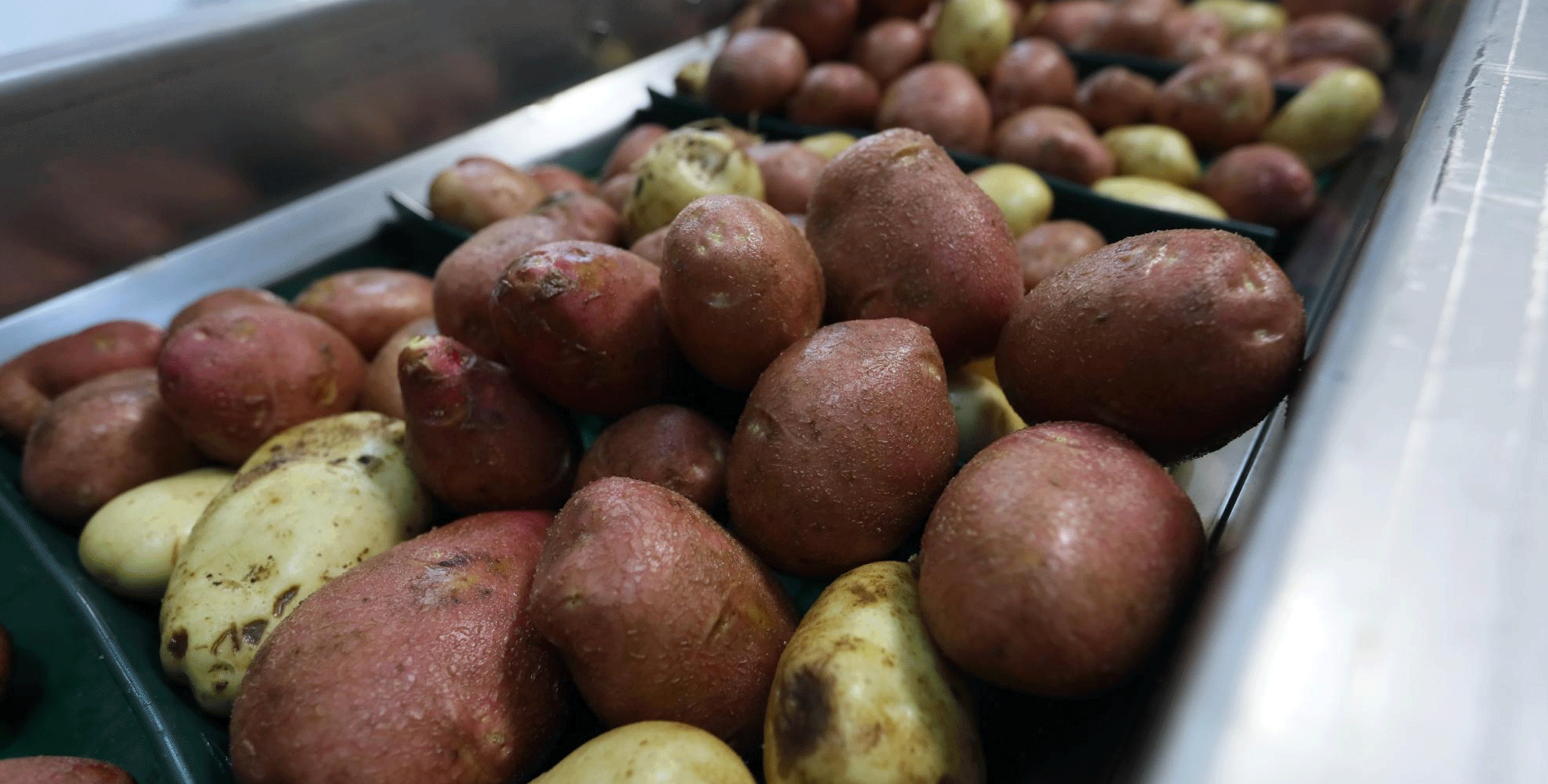
A farmer in Volgograd recently received a 20-ton shipment of seed potatoes from Udmurtia. However, the labels lacked crucial information: the packaging date (in the required “month year” format) and the batch number. This violation was detected by the Rosselkhoznadzor (Russian Federal Service for Veterinary and Phytosanitary Surveillance), which oversees Rostov, Volgograd, Astrakhan, and the Republic of Kalmykia.
The regulatory body issued a formal warning to the supplier, emphasizing the need to comply with mandatory labeling requirements under Order No. 347 of the Russian Ministry of Agriculture. Proper labeling ensures traceability, quality control, and compliance with national agricultural standards.
Why Proper Seed Labeling Matters
Seed labeling is not just a bureaucratic formality—it plays a vital role in modern agriculture:
- Traceability: In case of disease outbreaks or poor germination, batch numbers help identify and recall defective seeds.
- Quality Assurance: Packaging dates indicate seed freshness, which directly impacts yield potential.
- Regulatory Compliance: Non-compliance can lead to penalties, shipment rejections, or even legal action.
According to the Food and Agriculture Organization (FAO), improperly labeled seeds contribute to 15-20% of crop failures in developing markets due to mismanaged storage and outdated planting cycles. Similarly, the International Seed Federation (ISF) stresses that transparent labeling reduces risks for farmers and strengthens supply chain integrity.
What Should Farmers and Suppliers Do?
- Verify Labels Before Purchase: Ensure seed packaging includes:
- Producer’s legal address
- Packaging date (“month year”)
- Batch number
- Demand Compliance from Suppliers: Only work with certified suppliers who follow national and international seed regulations.
- Report Violations: Alert authorities if labels are missing or falsified to protect your farm and others in the industry.
The Volgograd case serves as a reminder that seed quality begins with proper documentation. Missing labels may seem like a minor oversight, but they can lead to significant financial losses, regulatory penalties, and even crop failures. By adhering to labeling standards, farmers, agronomists, and suppliers can ensure better yields, legal compliance, and a more sustainable agricultural system.