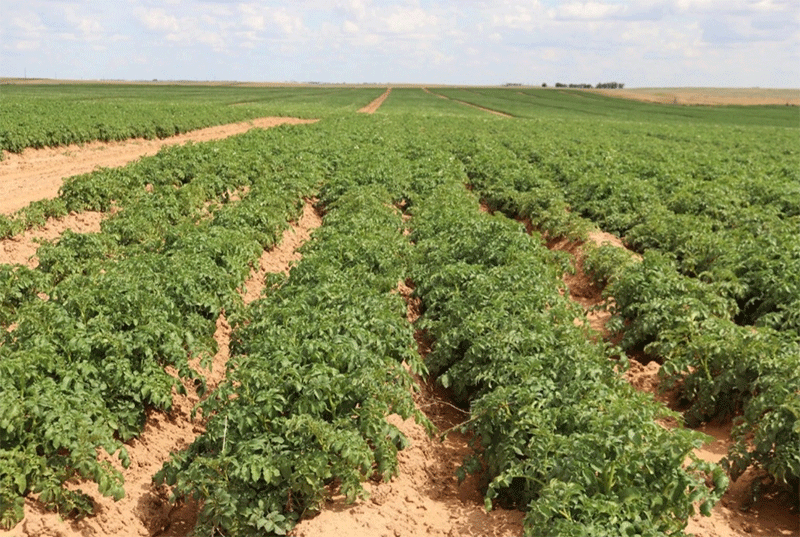
Astrakhan Oblast has solidified its position as a major potato producer, with nearly 500,000 tons harvested in 2023, according to regional reports. The Yenotayevsky District leads this growth, leveraging high-yield varieties, precision irrigation, and modern machinery to maximize output.
One standout enterprise, Astrakhan Agrocomplex “Yenotayevka,” has been cultivating potatoes for seven years. This season, it planted 149 hectares, with industrial-grade potatoes destined for chip and french fry processing, while table varieties will be sold wholesale. The farm currently stores potatoes in two facilities with a 4,000-ton capacity, but plans to expand storage to meet rising demand.
Sustainable Expansion & Soil Health
To maintain soil fertility, the agrocomplex employs natural enrichment methods. In 2024, 110 hectares were sown with Sudan grass, a cover crop that improves soil structure and nutrient content when plowed back into the earth. This regenerative approach aligns with global trends—studies show that cover cropping can increase soil organic matter by up to 1.5% over five years (FAO, 2023).
Future Growth & Challenges
The agrocomplex plans to expand potato acreage further, but faces challenges like storage limitations and climate adaptability. With drought-resistant potato varieties gaining traction worldwide (International Potato Center, 2024), Astrakhan’s farmers may need to invest in drip irrigation and climate-smart practices to sustain yields.
Astrakhan’s potato sector is thriving, driven by technology, sustainable soil management, and value-added processing. By balancing productivity and ecological practices, the region could become a model for modern, efficient agriculture—meeting both domestic and industrial demand.