Description: Verticillium wilt is a serious plant disease that affects a wide range of crops, including trees, shrubs, vegetables, and ornamentals. This article delves into the symptoms, causes, and management techniques for Verticillium wilt.
#VerticilliumWilt #PlantDisease #FungalInfection #CropManagement #CulturalPractices #BiologicalControls #ChemicalControls
Verticillium wilt, also known as Verticillium dahliae, is a fungal disease that attacks the vascular system of plants, causing wilting and yellowing of leaves and stunting of growth. The fungus invades through the roots and spreads through the plant’s vascular system, disrupting the flow of water and nutrients, which leads to plant death.
Symptoms of Verticillium Wilt
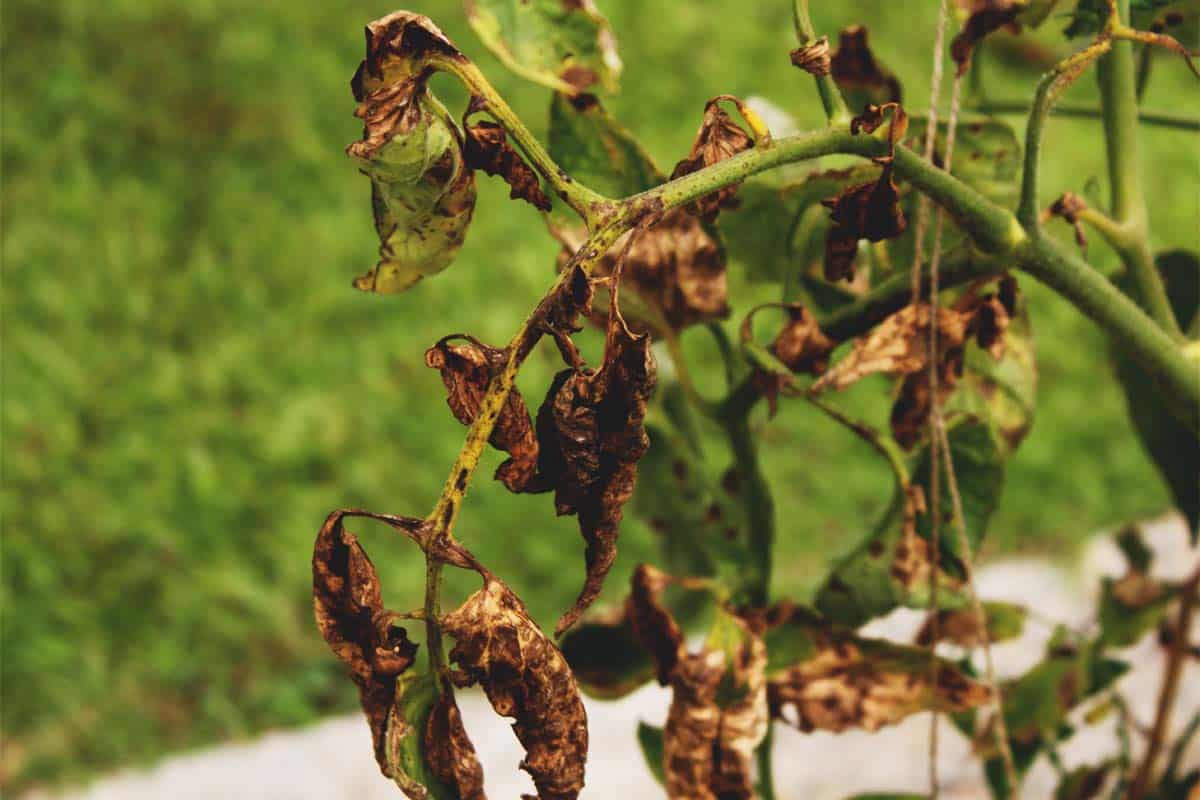
One of the first symptoms of Verticillium wilt is the yellowing and wilting of leaves on one side of the plant, which eventually spreads to the entire plant. The leaves may also become dry, brittle, and brown, and fall off prematurely. Other symptoms include stunted growth, reduced fruit or flower production, and brown streaks in the stem.
Causes of Verticillium Wilt
Verticillium wilt is caused by the soil-borne fungus Verticillium dahliae, which can survive in the soil for many years. The fungus enters the plant through the roots and spreads through the xylem vessels, blocking the flow of water and nutrients. The disease can also be spread through infected seeds, transplants, or contaminated soil.
Management Techniques for Verticillium Wilt
There are several management techniques for Verticillium wilt, including cultural practices, biological controls, and chemical controls. Cultural practices include crop rotation, avoiding planting susceptible crops in the same location for several years, and removing infected plants and debris from the site. Biological controls involve using beneficial microorganisms and fungi to suppress the disease, while chemical controls involve using fungicides to protect plants from infection.
Conclusion
Verticillium wilt is a devastating disease that can affect a wide range of crops. Understanding the symptoms, causes, and management techniques for this disease is essential for preventing and controlling its spread. By implementing the right management techniques, growers can reduce the impact of Verticillium wilt on their crops and protect their yields.