• About Us
  • Partnership & Advertising Opportunities
  • Careers at Potatoes.News
Saturday, January 10, 2026
  • Login
  • Register
No Result
View All Result
POTATOES NEWS
  • NEWS
  • IPT
  • AGROTECHNOLOGY
  • IRRIGATION
  • POTATO PROCESSING
  • Contact us
  • NEWS
  • IPT
  • AGROTECHNOLOGY
  • IRRIGATION
  • POTATO PROCESSING
  • Contact us
No Result
View All Result
POTATOES NEWS

#ThripsOut: Combating the Devastating Effects of Frankliniella spp.

by Alexey Demin
10.04.2023
in AGROTECHNOLOGY
A A
#ThripsOut: Combating the Devastating Effects of Frankliniella spp.

#agriculture #pestcontrol #RNAi #Frankliniellaspp #cropyield #sustainability

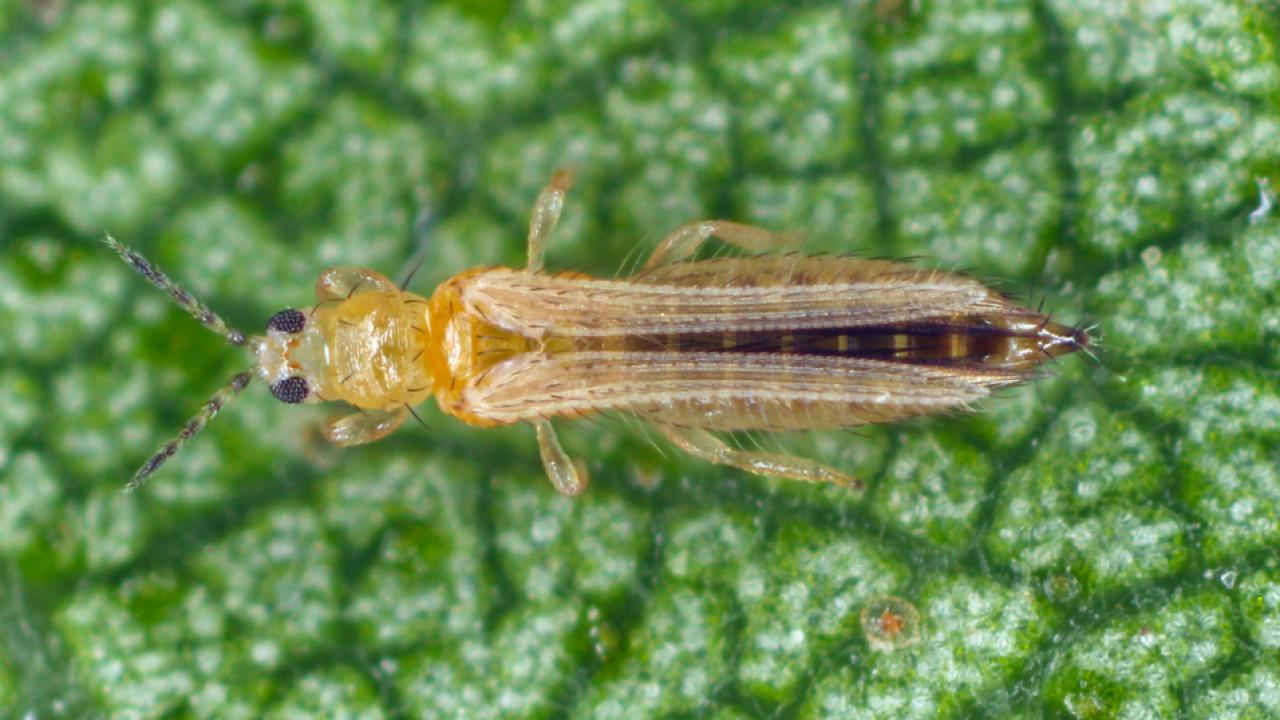
Frankliniella spp., commonly known as thrips, are tiny insects that can have a big impact on crops and gardens. These pests feed on plants, causing damage to the leaves, flowers, and fruits, leading to reduced crop yields and aesthetic damage.

To combat the devastating effects of thrips, farmers and gardeners have turned to various methods, including chemical pesticides and biological control agents. However, these methods have their limitations, including potential harm to non-target species and the development of resistance in thrips populations.

As a result, researchers are exploring alternative approaches to controlling thrips populations. One promising avenue is the use of RNA interference (RNAi) technology, which targets specific genes in thrips and disrupts their ability to reproduce and survive.

The development of RNAi-based thrips control could have significant consequences for agricultural productivity and sustainability. By reducing the need for chemical pesticides and other control methods, RNAi technology could help protect the environment and human health. Additionally, more effective thrips control could increase crop yields and food security, particularly in regions where thrips are a major pest.

In conclusion, the fight against Frankliniella spp. requires innovative solutions that balance efficacy, safety, and sustainability. RNAi technology shows promise as a new tool in the thrips control toolkit, offering a targeted and environmentally friendly approach to this persistent pest.


Tags: agricultural productivityBiological Control Agentscrop yieldsFrankliniella spp.pesticidespestsRNA interferenceSUSTAINABILITYthrips
Next Post
#GeocorisSpp: The Role of Big-Eyed Bugs in Pest Control

#GeocorisSpp: The Role of Big-Eyed Bugs in Pest Control

General Partner’s position

Recommended

tuber sprout control

Storage: 1of new the tubers sprouting control options

5 years ago
Navigating Unprecedented Challenges: The Impact of Rainfall on Potato Harvests in Europe

Navigating Unprecedented Challenges: The Impact of Rainfall on Potato Harvests in Europe

2 years ago
  • About Us
  • Partnership & Advertising Opportunities
  • Careers at Potatoes.News

© 2010-2026 POTATOES NEWS

Welcome Back!

Login to your account below

Forgotten Password? Sign Up

Create New Account!

Fill the forms below to register

All fields are required. Log In

Retrieve your password

Please enter your username or email address to reset your password.

Log In
No Result
View All Result
  • NEWS
  • IPT
  • AGROTECHNOLOGY
  • IRRIGATION
  • POTATO PROCESSING
  • Contact us

© 2010-2026 POTATOES NEWS