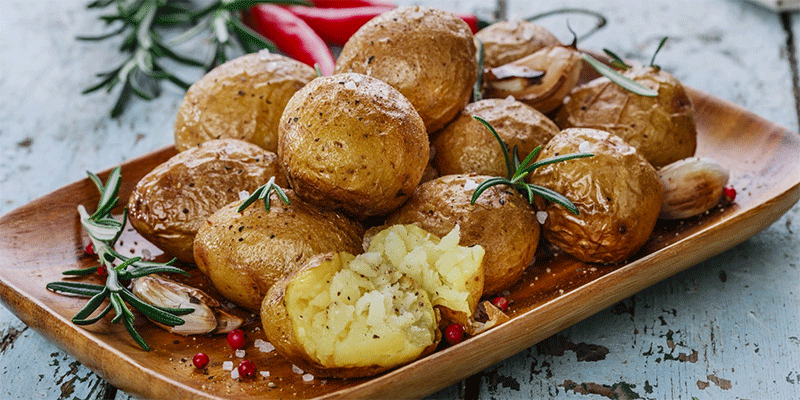
While agronomists perfect cultivation techniques and scientists develop resilient varieties, a quiet revolution in potato marketing has emerged not from corporate boardrooms, but from roadside trailers in the UK. Figures like Ben Newman (“Spudman”) and the “Spud Bros” have leveraged platforms like TikTok to transform the simple jacket potato into a cultural phenomenon. Spudman’s 4.2 million followers and celebrity encounters underscore a powerful shift: consumers are increasingly drawn to the narrative and personality behind their food. This isn’t just fast food; it’s “feel-good” food, underscored by heartwarming charity initiatives like free potatoes for seniors and fundraising for Kidney Research UK. Their success, alongside other street food trends, is having a tangible impact. According to a 2023 report by the Agriculture and Horticulture Development Board (AHDB) in the UK, the “food-to-go” sector, where jacket potatoes are a staple, is a key growth driver for potato usage, helping to stabilize demand beyond traditional retail and processing channels.
This viral marketing is injecting new life into potato consumption at a critical time. After years of competing with low-carb trends and convenience foods, the potato is being repositioned as a wholesome, comforting, and versatile canvas. The direct connection these vendors foster—selling not just a product but an experience and a story—builds immense brand equity that large-scale distributors struggle to replicate. This model demonstrates a significant opportunity for farmers and producers: engaging directly with the end-consumer narrative. As a 2024 analysis by the World Potato Congress noted, adding value through storytelling and transparent provenance is becoming as important as yield and quality in securing premium market positions and building consumer loyalty.
The “jacket potato invasion” led by social media savvy vendors is more than a quirky news story; it’s a case study in modern agricultural marketing. It proves that even the most foundational crop can be re-energized through authenticity, community engagement, and digital storytelling. For farmers, agronomists, and industry leaders, the lesson is clear. While production efficiency remains paramount, investing in the consumer-facing story—whether through farm tourism, transparent sourcing, or supporting local vendors who create buzz—can build resilience and add measurable value. The future of potato profitability lies not only in the soil but in the heart of the consumer, and social media is now a primary conduit to it.