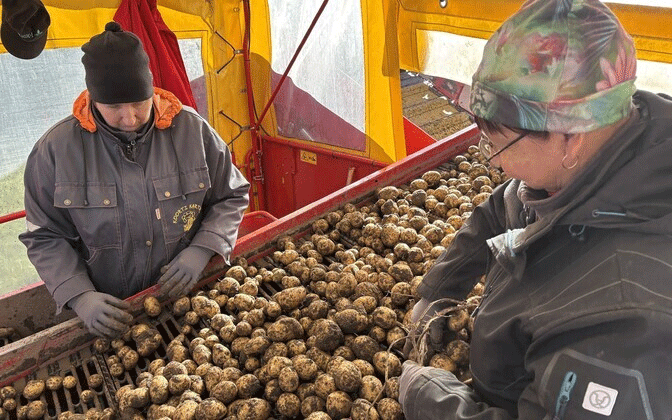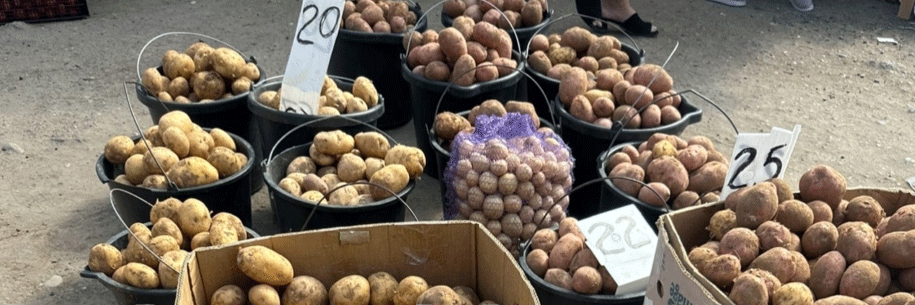
The potato market in Astrakhan has undergone a dramatic shift since May, when consumer prices soared to 95 rubles per kilogram due to seasonal scarcity. Today, the landscape is entirely different. The arrival of the new local harvest has flooded the market, causing a steep price correction. The current average price has plummeted to approximately 30 rubles per kilogram, with lower-grade potatoes available for as little as 20 rubles/kg. However, this price collapse is directly linked to a significant drop in quality, creating a two-tiered market.
While premium, clean, and large potatoes still command prices of 50-60 rubles/kg at markets like Tatar-bazar, the bulk of the supply consists of tubers with visible defects, including irregular coloration and a high presence of “eyes,” as noted in local reports. A market employee confirmed the supply shock, stating, “We started actively harvesting the local crop… now you can say it’s in abundance.” This transition from a deficit to a surplus market is a classic seasonal pattern, but the extreme quality differential is a telling sign of deeper issues.
This situation mirrors a common challenge in post-harvest management. The rapid harvest and immediate push to market often mean that potatoes have not been properly cured or sorted, leading to a bulk of lower-quality produce that depresses overall market prices. According to a 2023 report by the FAO on food loss and waste, inadequate storage and handling are primary causes of post-harvest losses for root vegetables in developing economies, which can exceed 30% of the harvest. The price gap in Astrakhan—where premium potatoes sell for three times the price of lower-grade ones—underscores the immense economic value lost when proper grading and storage protocols are not implemented.
For farmers, this price-quality disparity presents a critical lesson. While high yields are a primary goal, the economic return is determined by the percentage of the harvest that meets premium market standards. Investing in improved post-harvest infrastructure, such as modern storage facilities that allow for proper curing and extended market presence, could enable producers to avoid selling into a saturated, low-price market and instead target higher-value segments throughout the season.