#PestControl #CropProduction #Agriculture #SweetPotato #WhiteflyInfestation #PlantViruses #SustainableSolutions #FoodSecurity #EnvironmentalImpact
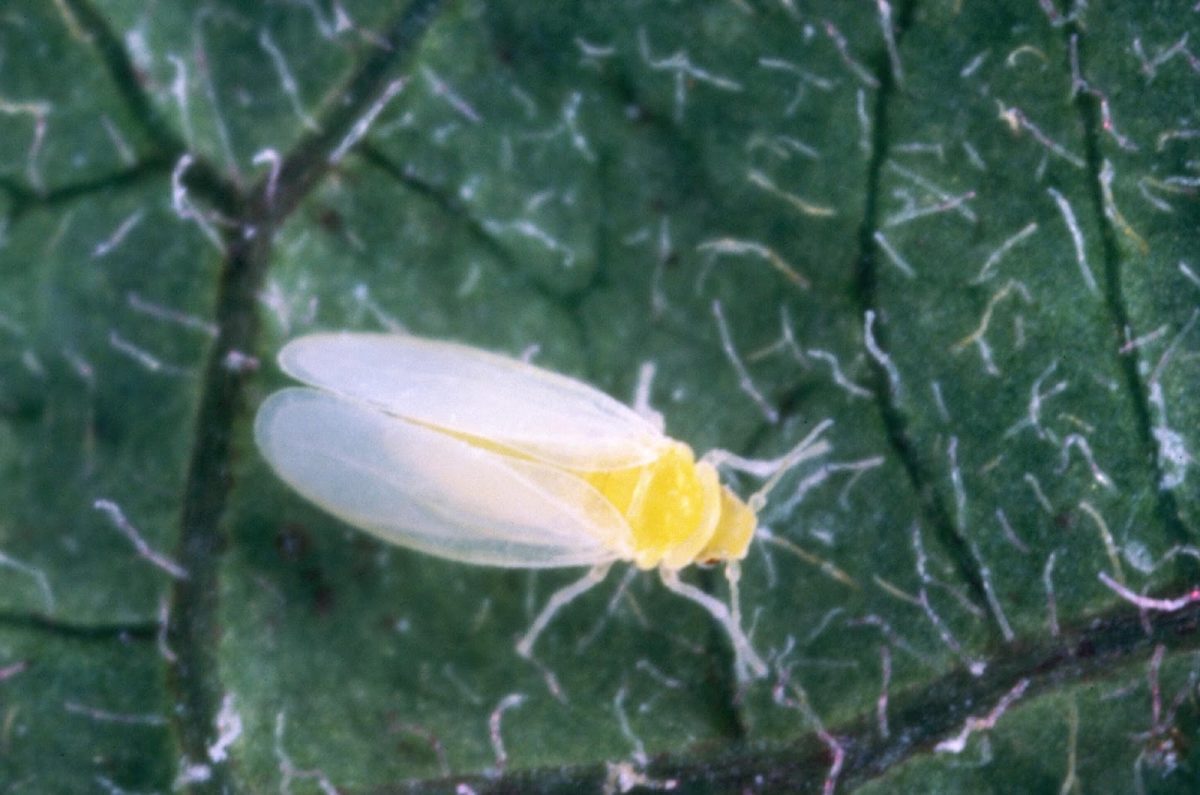
Bemisia tabaci, commonly known as the sweet potato whitefly, is a notorious pest that attacks a wide range of crops and causes significant yield losses. This tiny insect is a major concern for farmers and agriculture experts worldwide, as it can transmit plant viruses, stunt plant growth, and decrease the quality of produce.
The development of Bemisia tabaci is a complex process that involves various factors, such as temperature, humidity, and host plant availability. Adult whiteflies lay their eggs on the undersides of leaves, and the nymphs that hatch from these eggs feed on plant sap, causing damage to the plant. As they feed, they also secrete honeydew, which attracts ants and can lead to the growth of sooty mold, further affecting the plant’s health.
The consequences of Bemisia tabaci infestations are far-reaching. In addition to causing significant yield losses, it also leads to increased use of pesticides, which can have negative impacts on the environment and human health. Moreover, the transmission of plant viruses by the whitefly can result in the loss of entire crops, leading to economic losses for farmers and food shortages for consumers.
To combat the detrimental effects of Bemisia tabaci, researchers and agriculture experts are exploring various control measures. These include the use of biological control agents, such as predators and parasitoids, as well as the development of resistant crop varieties. Additionally, cultural practices, such as crop rotation and the use of reflective mulches, can also help reduce whitefly populations.
In conclusion, the sweet potato whitefly is a significant threat to agriculture and food security worldwide. Understanding its development and consequences is crucial in developing effective control measures and safeguarding crop production. Through continued research and collaboration, we can hope to find sustainable solutions to this pressing issue.