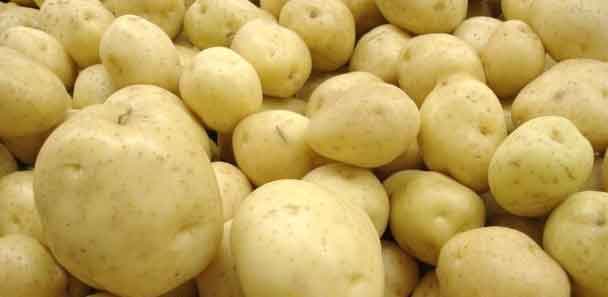
Senegal has reached a significant agricultural milestone, producing over 400,000 tons of onions annually since 2017 and roughly 143,000 tons of potatoes, making the country theoretically self-sufficient in these two key vegetable crops. However, a Senegalese agronomist and production specialist warns that this success is undermined by a critical flaw: the lack of proper cold storage and conservation facilities. This infrastructure gap leads to extremely high post-harvest losses due to rot, meaning that a substantial portion of the harvest is wasted. The expert argues that the real challenge for the horticultural sub-sector is no longer just about increasing production volumes, but about preserving the crops that are already grown.
Compounding the storage issue is the competitive pressure faced by local smallholder farmers from large-scale agribusinesses. The specialist recalls tensions from 2019 in the Niayes region, where local farmers accused the Indian-owned company Senegindia (now Swami Agri) of circumventing state-mandated sales freezes designed to protect the local harvest. Equipped with high-tech storage capable of holding 115,000 tons, the agribusiness was allegedly able to flood the market with potatoes at low prices exactly when local farmers were trying to sell their crops, undercutting their livelihoods. With local production now even higher, the agronomist emphasizes the urgent need for the government to focus on two fronts: investing in conservation technology to reduce waste, and strictly enforcing quotas on agribusiness imports and market releases to ensure small-scale producers can sell their harvests at fair prices.