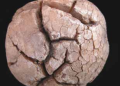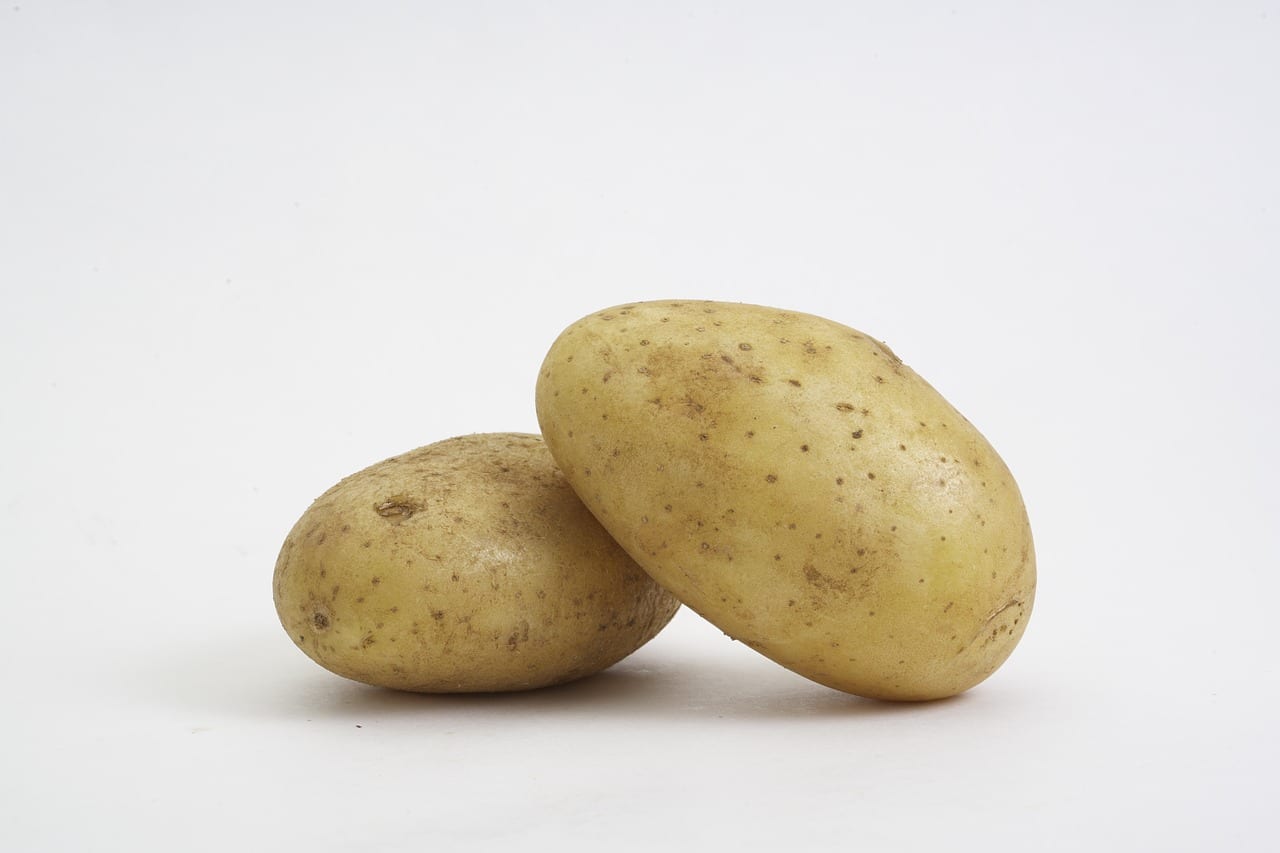
Scientists at CGIAR-IITA, working with the International Centre of Insect Physiology and Ecology (icipe) under the joint Nematology Unit, NemAfrica, housed at icipe’s campus in Nairobi, and their national and international partners, have been at the forefront of efforts to address a new emerging pest threat to the production of potato in the East Africa region, and in many other countries in the world. These are the parasitic microscopic worms known as Potato Cyst Nematodes (PCN). These destructive pests attack potato roots and can cause yield losses of up to 80%, and in some instances, even total crop failure.
PCN consist mostly of two species, Globodera rostochiensis and Globodera pallida, both of which have recently been discovered attacking potato in Kenya. G. rostochiensis however, has since been shown to be widespread across Kenya and has additionally been detected further afield in Uganda and Rwanda.
PCN consist mostly of two species, Globodera rostochiensis and Globodera pallida, both of which have recently been discovered attacking potato in Kenya. G. rostochiensis however, has since been shown to be widespread across Kenya and has additionally been detected further afield in Uganda and Rwanda.
“PCNs are among the most destructive potato pests globally. They are particularly lethal because each female nematode produces hundreds of eggs—between 300 and 500, which remain protected in a cyst formed by their body after they die. These cysts can remain dormant in the soil for years, awaiting the next potato crop host. Because of the dangers they pose, PCNs have been designated as quarantine pests in many countries, to strictly control their spread,” says Danny Coyne a leading nematologist and Soil Health Scientist at IITA.
Following the detection of G. rostochiensis in Kenya in 2015, IITA scientists in partnership with their counterparts at icipe and Jomo Kenyatta University of Agriculture and Technology (JKUAT), among others, conducted a country-wide survey which found that G. rostochiensis was not only widespread throughout the country, including areas bordering Uganda and Tanzania, but also in very high concentrations. The team also established the presence of the pest in Uganda while researchers in Rwanda have also detected these nematodes in the country.
IITA scientists and their partners are also engaged in a study to explore an innovative approach to effectively control these pests using “suicide hatch”. The hatching of nematode eggs from their protective cyst into the soils, where they then find the host plant roots, is triggered by chemicals that are released by the potato roots. The newly hatched juvenile nematodes then use other chemical signals from the roots to locate and infect the potato roots.
Identifying these chemicals and synthetically producing them may offer possibilities for manipulating PCN to hatch in farmers’ fields before potatoes are planted, and in the absence of the host to feed on, the nematodes will starve to death—“suicide hatch”.
IITA researchers are also working with partners, including the Kenya Plant Health Inspectorate Service (KEPHIS), James Hutton Institute in UK, and the International Potato Center (CIP), among others, to identify suitable potato cultivars with resistance against the nematodes and similar attributes to farmers’ preferred varieties.
The team will increase its efforts to find an effective solution to this menace, which can spell doom for potato and the food and income of millions of people in the region.
source: kilimonews.co.ke