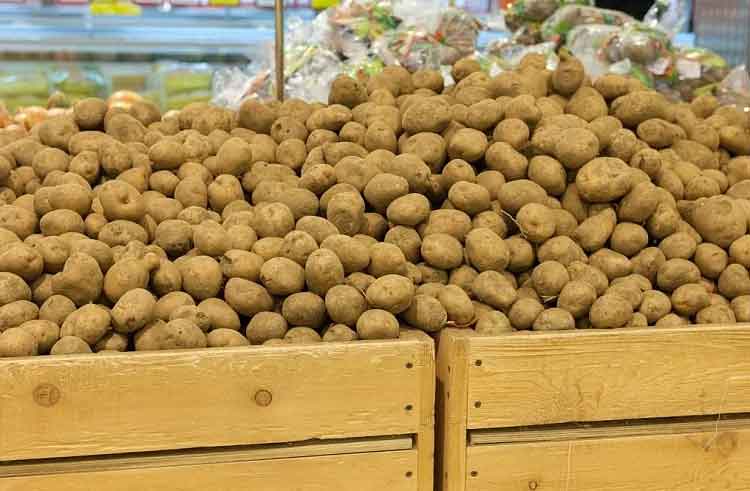
The Russian Potato Union has proposed introducing minimum purchase prices for potatoes sold to retail chains in an effort to stabilize the market and ensure predictable income for agricultural producers. In a letter to the Federal Antimonopoly Service (FAS), the union suggested setting an annual price corridor ranging from 30 to 60 rubles per kilogram, depending on the product’s quality and packaging. The proposal would require retailers to procure at least 80% of their volume under long-term contracts with these price floors, with the goal of smoothing out the sharp seasonal price fluctuations that often leave farmers selling below cost during bumper harvests.
However, the initiative has faced resistance from regulators and retailers. The FAS stated that while it supports long-term contracting, pricing should be determined by market forces rather than government fiat. Retail associations, including AKORT, argue that fixed pricing contradicts market principles and could distort competition. Experts warn that while the measure aims to protect farmers, it carries significant risks: setting the minimum above the equilibrium price during periods of high yield could lead to overproduction and surpluses, while doing little to curb price spikes during shortages. The proposal is currently under review by the Ministry of Agriculture and the Ministry of Industry and Trade.