#AgriculturalPests #SustainableFarming #CropProtection #PsyllidControl #EcologicalSolutions
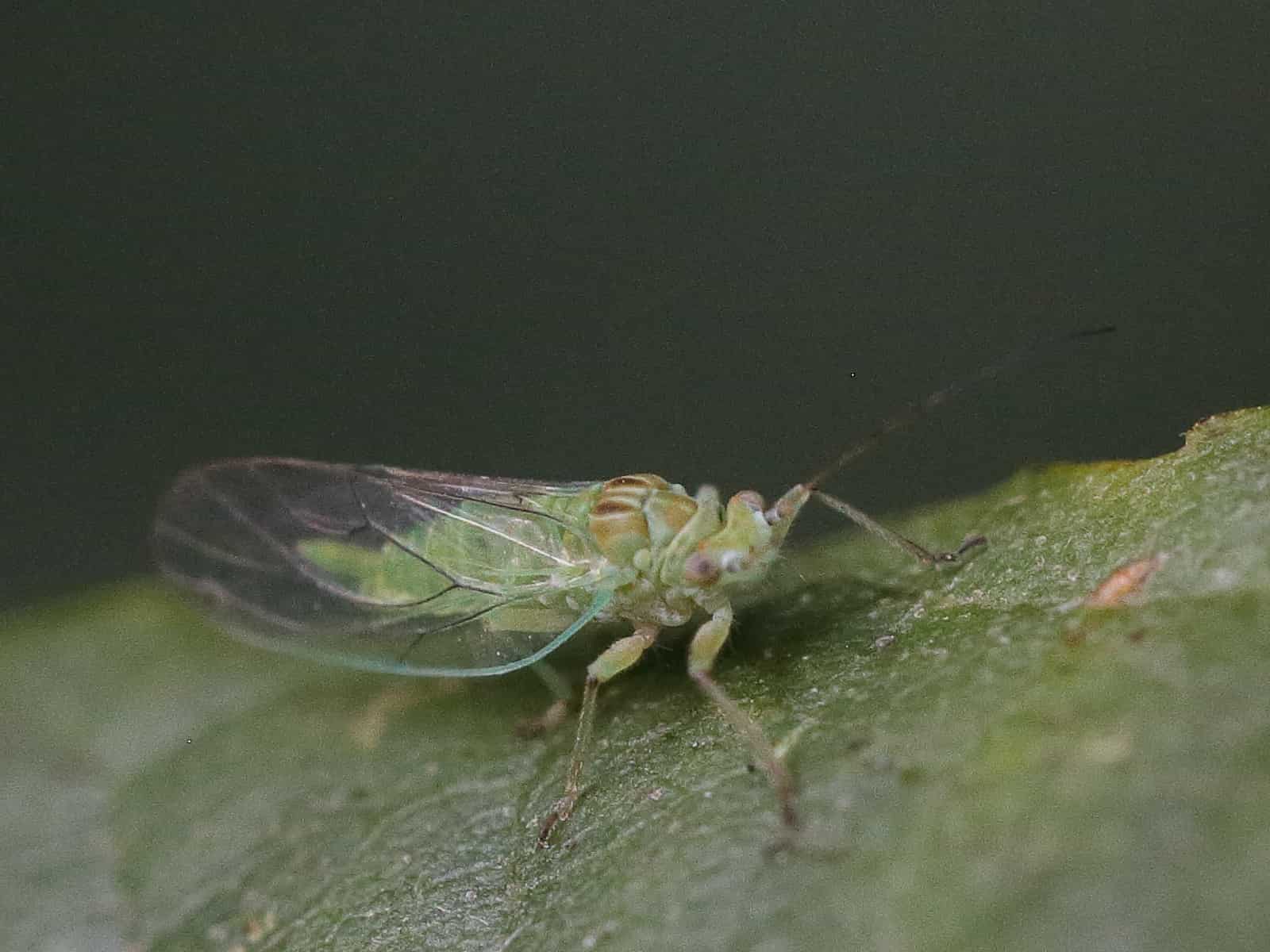
The Psyllidae, commonly known as jumping plant lice, are a family of insects that have a significant impact on the world’s agriculture. These tiny insects feed on the sap of plants and can cause severe damage to crops, leading to economic losses for farmers and food shortages for consumers.
The development of jumping plant lice can be devastating for many crops, such as citrus, potatoes, and tomatoes, as they are known carriers of bacteria and viruses that can cause diseases to plants. The spread of these diseases can result in yield losses, which can have a significant impact on the agricultural economy.
One of the most significant consequences of the development of Psyllidae is the increased use of pesticides. Farmers have to use pesticides to control the population of these insects, which can lead to environmental damage and health risks for humans and animals. The excessive use of pesticides can also result in the development of pesticide-resistant strains of jumping plant lice, leading to more severe outbreaks in the future.
To mitigate the impact of Psyllidae on agriculture, researchers are exploring alternative methods of control. Biological control agents, such as parasitic wasps and fungi, are being developed to combat the population of jumping plant lice. Additionally, the development of resistant crop varieties is another strategy being pursued to reduce the damage caused by these insects.
In conclusion, the development of Psyllidae has a significant impact on the agricultural economy, resulting in crop losses and increased use of pesticides. However, researchers are working on alternative methods of control to reduce the impact of these insects on agriculture. It is essential to continue exploring sustainable and eco-friendly solutions to maintain a healthy balance between farming and the environment.