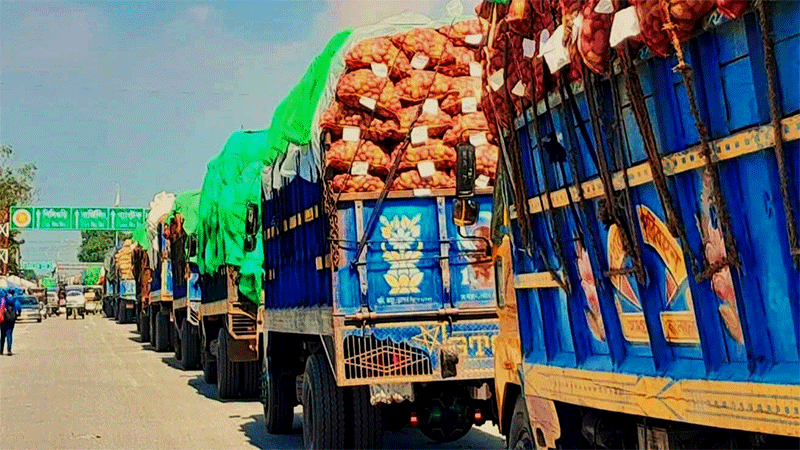
In a powerful demonstration of logistical and agricultural coordination, a record 1,407 tonnes of potatoes crossed from Bangladesh into Nepal through the Banglabandha land port in a single day. This massive shipment, transported in 67 trucks, was sourced from multiple districts in northern Bangladesh and included the popular processing variety, Asterix. This was not an isolated event; it came on the heels of a 588-tonne shipment the previous day, bringing the total potato exports through this single port to a staggering 39,039 tonnes in the first ten months of the year. This figure underscores a robust and growing trade relationship, moving beyond small-scale transactions to industrial-volume logistics.
This surge in exports through Banglabandha is a microcosm of a larger regional trend. South Asia, with its growing population and shifting dietary patterns, is seeing an increased integration of its agricultural markets. According to the Food and Agriculture Organization (FAO), enhancing intra-regional trade is a key strategy for achieving food security in Asia. For Nepal, which faces geographical and production challenges in achieving self-sufficiency in key staples, a reliable supply from Bangladesh provides crucial price stability and food security. For Bangladeshi farmers and exporters, this represents a vital, predictable outlet for their produce, insulating them from domestic market gluts and creating a more resilient income stream. The specific mention of the Asterix variety is particularly telling, as its export indicates a demand not just for volume, but for specific quality traits suitable for processing and storage.
The record-breaking shipment at Banglabandha is more than just a number; it is a clear signal of the maturing agricultural trade dynamics in South Asia. For farmers and agronomists in northern Bangladesh, it validates their production strategies and highlights the economic opportunity in growing varieties with regional market appeal. For agricultural engineers and logistics experts, it emphasizes the critical role of efficient cross-border supply chains. For scientists and policymakers, it reinforces the need for continued collaboration on phytosanitary standards and trade facilitation. This event proves that targeted regional trade is a powerful tool for de-risking agricultural production, stabilizing farmer incomes, and ensuring a consistent food supply, setting a precedent for other commodities and regions to follow.

