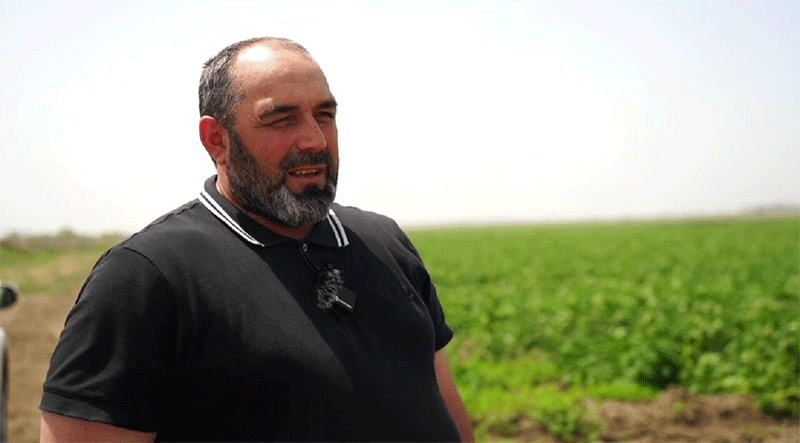
Farmers, agronomists, and agricultural experts are sounding the alarm over a deepening potato shortage in Russia and beyond. According to Abdula Ramazanov, a farmer from the Astrakhan region, the root causes include extreme weather conditions—such as frost and drought—and a severe scarcity of quality seed potatoes.
Weather Woes and Seed Shortages
In recent years, unpredictable weather has significantly impacted potato yields. However, Ramazanov highlights an even more pressing issue: the lack of elite-grade seed potatoes. “It’s extremely difficult to find high-quality seeds. Before, we imported them from the Netherlands and other countries with suitable climate-adapted varieties, but now they’re unavailable,” he explains.
This shortage has broader implications. Without certified elite seeds, farmers cannot access government subsidies, further discouraging production. “To receive subsidies, we need certification for elite seeds, but we can’t provide it because there are none available for purchase,” Ramazanov adds.
Regional and Global Market Pressures
The problem isn’t confined to Russia. Belarus and Kazakhstan are also experiencing shortages, with buyers from these countries seeking potatoes in Astrakhan. However, payment disputes and high demand have complicated transactions. Meanwhile, Kazakhstan’s active purchases are tightening domestic supply.
Ramazanov warns against export restrictions, arguing that limiting foreign sales could push farmers to abandon potato cultivation altogether due to lost profit opportunities.
Imports Fill the Gap—For Now
To compensate for last year’s poor harvest, Russia has turned to imports, with Egypt leading as the top supplier. Other contributors include Azerbaijan, Belarus, Georgia, Pakistan, and China. However, reliance on foreign potatoes is not a sustainable solution.
Forecast: Another Deficit Ahead
With late-season seed potatoes also in short supply, Ramazanov predicts another deficit if central Russian regions face adverse weather. This could lead to higher prices and scarcity in the coming winter.
A Call for Solutions
The potato crisis underscores the urgent need for:
- Investment in domestic seed production to reduce reliance on imports.
- Government support in easing subsidy requirements amid seed shortages.
- Research into climate-resilient varieties to mitigate weather risks.
Without action, farmers and consumers alike will continue to face instability in potato supply and pricing.