#InvasiveSpecies #AgricultureIndustry #CropProtection #BiologicalControl #CulturalPractices
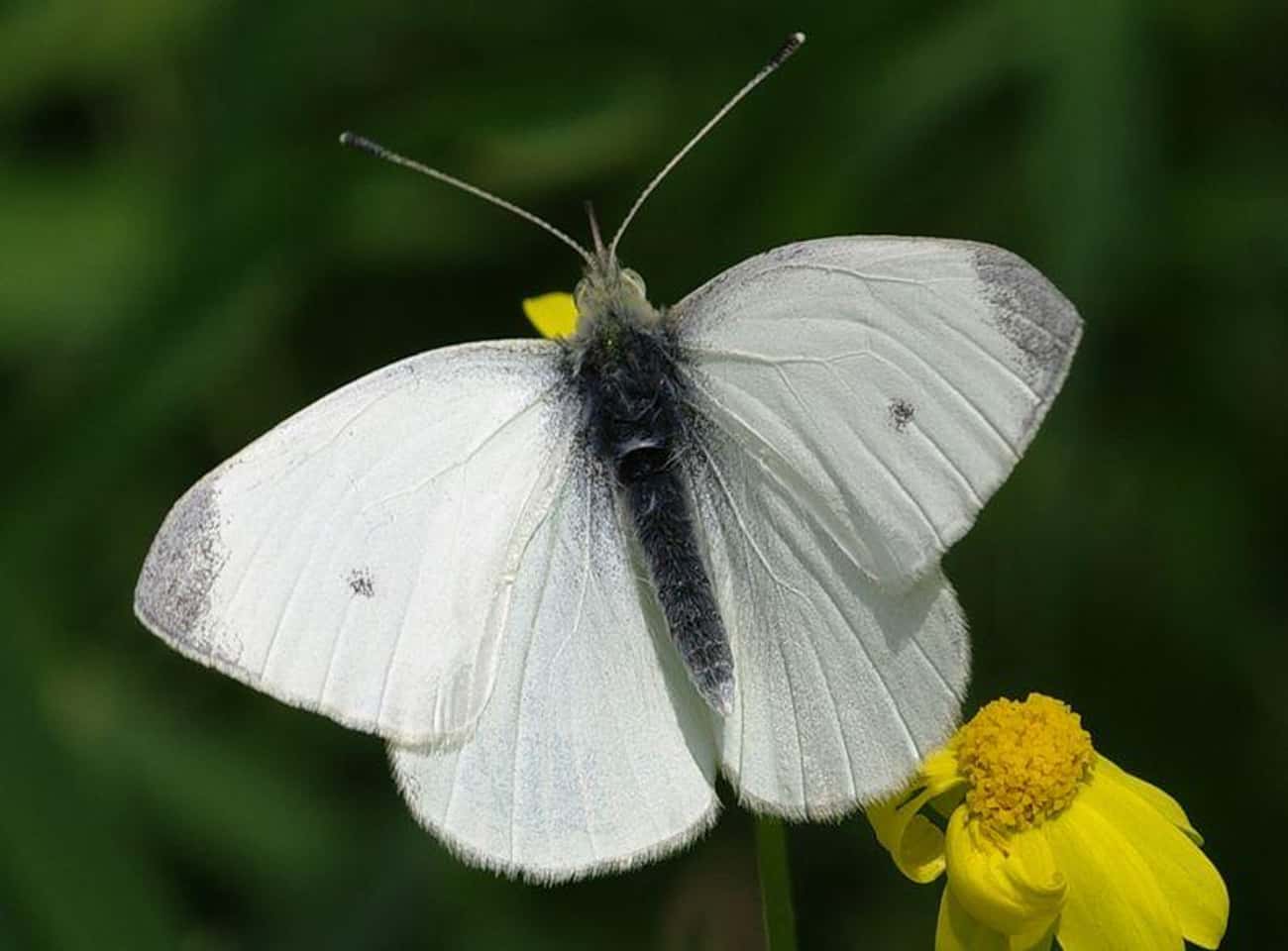
The Imported Cabbageworm, scientifically known as Pieris rapae, is a destructive pest that feeds on cruciferous vegetables such as cabbage, broccoli, and kale. This invasive species can cause significant damage to crops, leading to economic losses for farmers and affecting food security. Therefore, it is crucial to manage the spread of Pieris rapae to protect our agriculture industry.
Development:
To control the spread of Pieris rapae, farmers and gardeners can adopt various management practices. One of the most effective methods is to use insecticides. However, this approach can have negative consequences on the environment and human health. Thus, alternative methods such as biological control and cultural practices have been developed to reduce the reliance on insecticides.
Biological control involves introducing natural predators of Pieris rapae, such as parasitoid wasps and predatory insects, to reduce their populations. This approach can be very effective, especially when combined with cultural practices, such as crop rotation and sanitation. By removing infested plant debris and avoiding planting cruciferous vegetables in the same location, farmers can prevent the buildup of Pieris rapae populations.
Consequences of development:
Adopting effective management practices for Pieris rapae can have significant benefits. It can reduce the use of insecticides, leading to a healthier environment for humans and other animals. Additionally, biological control and cultural practices can be more sustainable and cost-effective in the long run. Furthermore, managing the spread of Pieris rapae can help maintain crop yields and food security.
In conclusion, managing the spread of Pieris rapae is crucial for protecting our agriculture industry and ensuring food security. By adopting alternative methods to insecticides, such as biological control and cultural practices, we can effectively reduce the impact of this invasive species on our crops.