Canadian growers are experimenting with ways to reduce tillage on their farms.
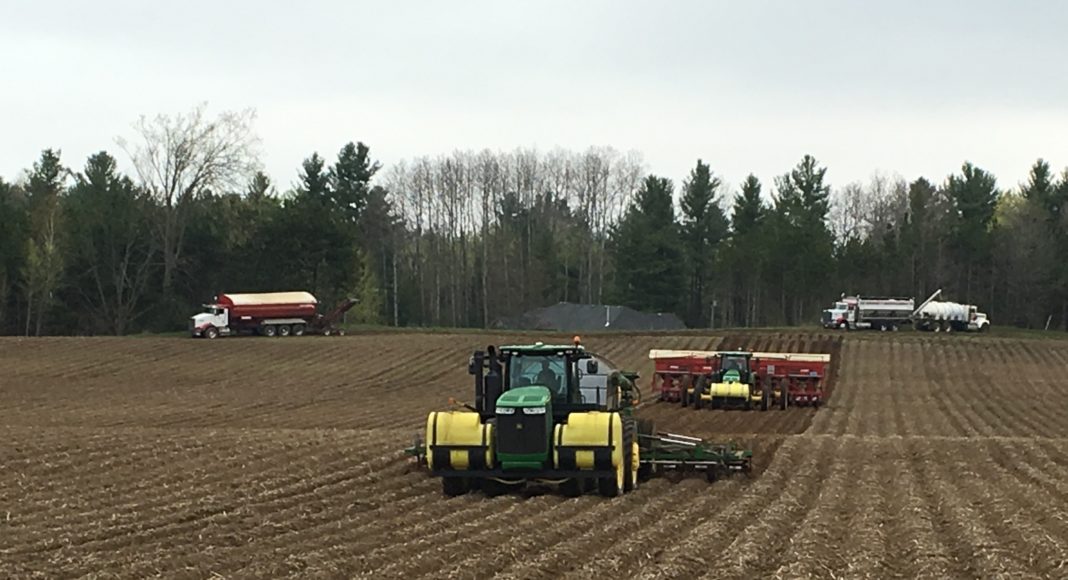
From coast-to-coast, Canadian potato growers are trying to reduce tillage to help their soil and lower operating costs on their farms. Reducing tillage on a potato farm isn’t the easiest thing to do as traditionally potato growing has been a tillage heavy operation with multiple rips of the fields required throughout the year. Four farmers though have found ways to minimize their tillage and discussed it during a panel at the virtual Canadian Spud Congress on Feb. 25. Here’s an overview of their work.
Matt Ramsay, Oyster Cove Farms Ltd. in Kensington, P.E.I.
At Oyster Cove Farms, Matt Ramsay and his family have been practicing residue tillage for around 15 years. They use a chisel plow with some finishing capacity. Their regular process is to kill off the previous year’s forage crop in the fall using glyphosate. A cover mix will then be spread with the chisel plow going through the field after. If they have time, fall ridging will be done, meaning they can come straight in with the planter and hiller in the spring. If fall ridging isn’t done, they do another pass with the chisel plow in the spring before planting.
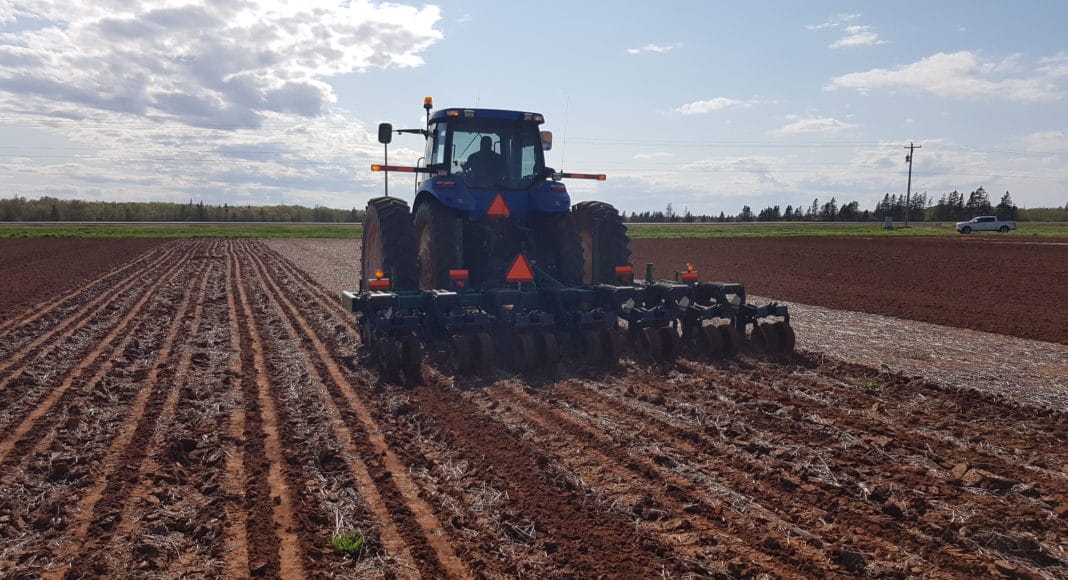
“Every year we’ve kind of been pushing everything a little farther and a little farther. And it seems like really, by and large, we just don’t need as much tillage in many situations. I think we’re seeing a benefit from that in the moisture economy of that season,” Ramsay says.
Oyster Cove Farms has a multitude of field types with some longer crop rotations happening through field swaps with livestock farmers in the area. On fields where there are only annual crops planted, and not forages, they can sometimes do just one pass and then plant into it.
Homer Vander Zaag, H. J. Vander Zaag Farms Ltd. in Alliston, Ont.
H.J. Vander Zaag Farms Ltd. operates on a two-year rotation. After combining in August they will do a pass over the field with the disk riper. Everything is then fall ridged with a custom built 10-row unit, variable rate fumigation, banding of potash and broadcasting of a rye cover crop, and deep zone tillage, all happen in these passes. The field is then sprayed with glyphosate at the end of October. In the spring, the custom-built unit is used to reridge, variable rate urea is broadcast, phosphate and micros are banded, and calcium and dual are sprayed, all one pass. Potatoes are then planted in the field with the planter hilling at the same time.
Chad Berry, Under the Hill Farms in Cypress River, Man.
On Chad Berry’s farm they rip the fields in fall with a 30-inch eco till ripper, followed by phosphate and potash being broadcast over the field. In the spring in lighter soils, they use a cultivator on the field, in heavier soils they’ll use a deep tiller with eight-inch spacing and a two-inch spike to loosen the ground and then sometimes go over the field with a power harrow. The planters then go out to the fields and band phosphate during the passes.
“We tailor each field. Our land changes from almost clay type soil out there to real sand. So, we have to have different practices across the farm,” Berry explains.
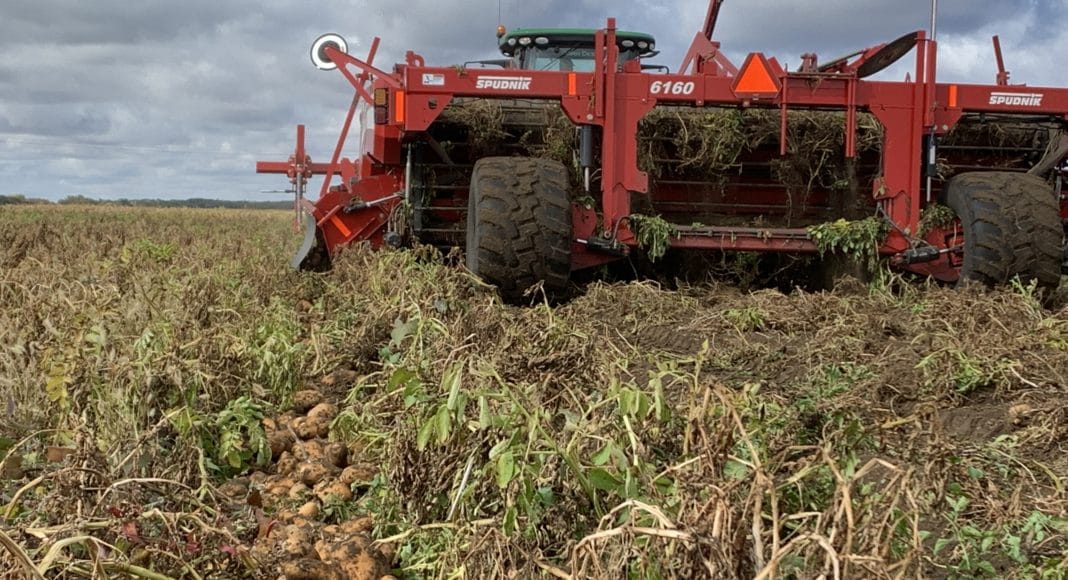
In some fields, they will plan an early season crop in it during the fall, like grass, and then kill it off and rip the field before the ground freezes. Under the Hill Farms is also doing some single pass potato planting into crop stubble.
Michel Camps, CP Farms Ltd. in Barnwell, Alta.
At CP Farms Ltd. they plant potatoes in fields which had low residue crops in them the year before. They use dammer dikers, which are more common in the United States, to till the fields in the fall. In the spring a power hiller is then used to break up the clods and lumps in the soil. The planter then goes through the field, it has a power hiller in the front and liquid fertilizer is pumped out through the planter also.

“Big advantages of the all-in-one planter is that we do not lose any moisture in the hill between power hilling, planting and our potato seed piece, because the hiller is on the planter, it’s always in the centre,” Michel Camps explains.