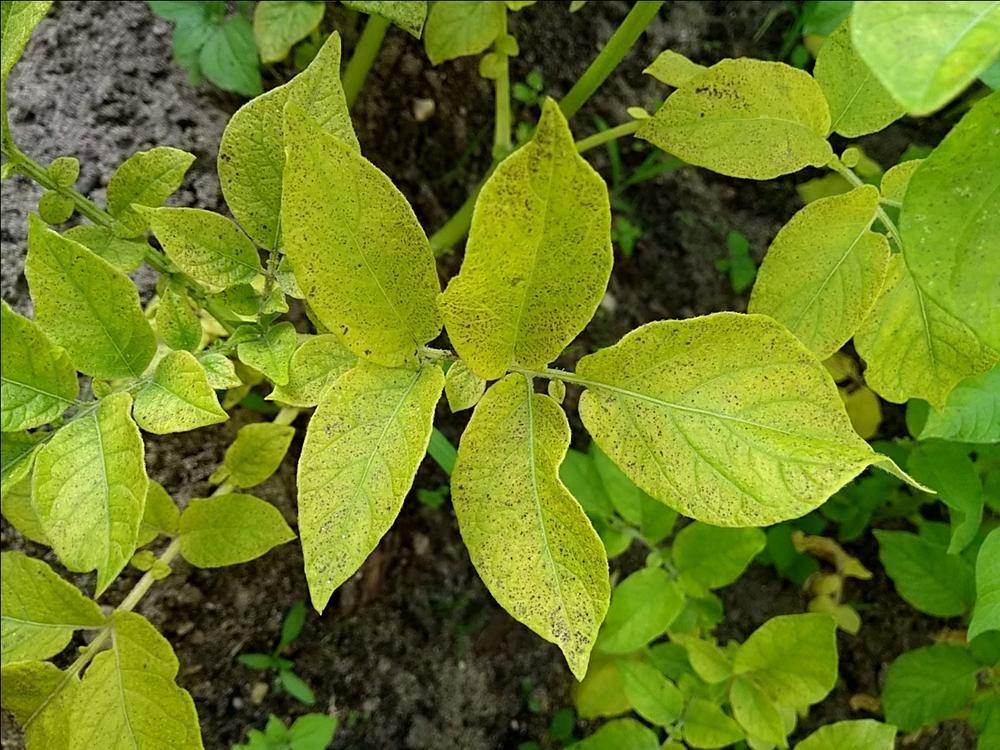
Nitrogen is a vital element for plant growth, and its efficient management is crucial for increasing crop yield and reducing environmental impacts. In this article, we will discuss the latest data on nitrogen use in agriculture, explore innovative nitrogen management strategies, and examine the consequences of nitrogen management practices on soil health, water quality, and greenhouse gas emissions.
Nitrogen is one of the primary nutrients that plants need for growth and development. However, its availability in the soil is often limited, leading to low crop yields. To address this issue, farmers often apply nitrogen fertilizers to the soil. According to the Food and Agriculture Organization (FAO), global nitrogen fertilizer use has increased by over 60% in the last 20 years, reaching 118.5 million metric tons in 2020.
While nitrogen fertilizers have helped increase crop production, their overuse can lead to negative environmental consequences. For instance, excess nitrogen can leach into groundwater and surface water, causing eutrophication, harmful algal blooms, and fish kills. Moreover, nitrogen fertilizers can contribute to greenhouse gas emissions, such as nitrous oxide, which is a potent greenhouse gas that can remain in the atmosphere for up to 120 years.
To address these environmental issues, scientists, agronomists, and farmers are exploring innovative nitrogen management strategies that can improve crop yield while reducing nitrogen losses to the environment. For example, precision farming techniques, such as sensor-based nitrogen application, can optimize nitrogen use by applying the right amount of nitrogen to the right place at the right time. Furthermore, crop rotation, cover cropping, and conservation tillage can enhance soil health and reduce nitrogen leaching.
In conclusion, nitrogen is a critical nutrient for plant growth, but its overuse can lead to negative environmental consequences. By adopting innovative nitrogen management strategies, such as precision farming and conservation practices, farmers can improve crop yield and reduce nitrogen losses to the environment, contributing to sustainable agriculture.
#nitrogenmanagement #cropyield #environmentalsustainability #precisionfarming #conservationpractices #soilhealth #waterquality #greenhousegasemissions