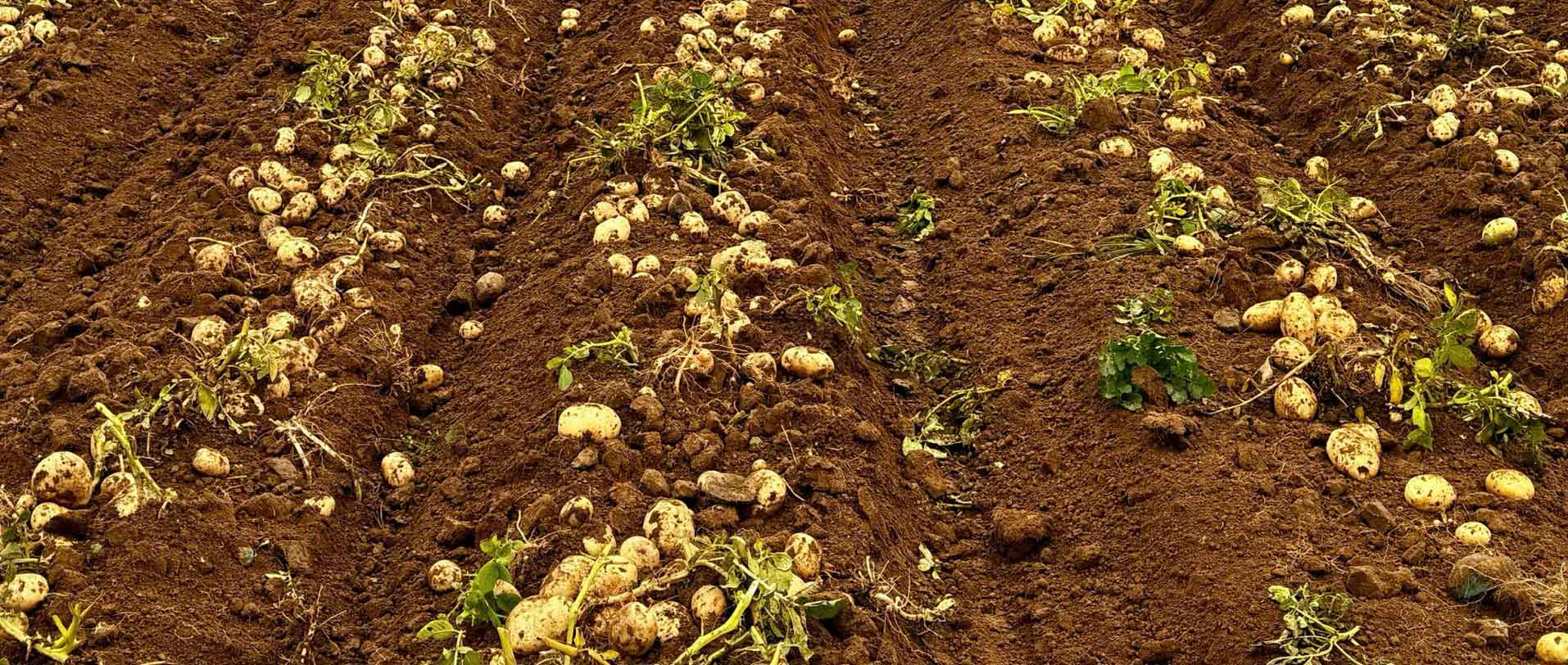
For agricultural engineers and farming system specialists, the results of Vietnam’s Central Agricultural Extension project offer compelling evidence that comprehensive mechanization—combined with variety selection and processor linkages—can dramatically transform smallholder potato production economics. The Food Crops Research Institute successfully established six model sites across Thanh Hoa, Ninh Binh, Bac Ninh, and Hung Yen provinces, encompassing 60 hectares planted to two strategically selected varieties: the processing variety FL2215 (45 hectares) and the fresh-market variety KT7 (15 hectares) . With full mechanization of all operations—from land preparation and bed formation to fertilization, drip irrigation, crop protection using unmanned aerial vehicles, and mechanical harvesting—the models achieved projected yields of 20-25 tons per hectare, producing total output of 1,400-1,500 tons . Economic analysis confirms that this integrated approach increases production efficiency by 40-45% compared to traditional cultivation methods .
The farm-level data validates these aggregate findings with remarkable consistency. In Ninh Binh, farmer Hoang Van Giap planted 1,260 square meters with KT7 variety and, despite planting delays due to heavy rainfall, anticipates yields of 23 tons per hectare generating approximately 32 million VND in revenue with 11 million VND profit—a 48% efficiency increase over control plots . In Hung Yen, Doan Truong Vinh’s 0.2-hectare FL2215 plot is projected to yield 4.8 tons, with Duc Minh Seed Trading Company guaranteeing purchase at 8,000-10,000 VND/kg, delivering 20-21 million VND in profit—a 45% improvement over traditional methods . Crucially, Vinh emphasizes that mechanization transforms the farming experience: every operation from tillage through harvesting is machine-performed, with farmers primarily monitoring fields and bagging harvested tubers, while the Institute facilitates complete value chain connections with purchasing enterprises . The broader context reveals why this model matters: Vietnam currently cultivates approximately 200,000 hectares of potatoes, with 60-70% destined for fresh consumption, yet domestic processing plants require an estimated 180,000 tons annually—a demand currently met only 30-40% by domestic supply, with the remainder imported . With competitive advantages including winter cropping that avoids competition with other crops, availability of mechanization equipment, high-yielding domestic varieties, and growing processor investment, Vietnam’s potato sector has a solid foundation for sustainable expansion that this mechanization-plus-linkage model is designed to accelerate .