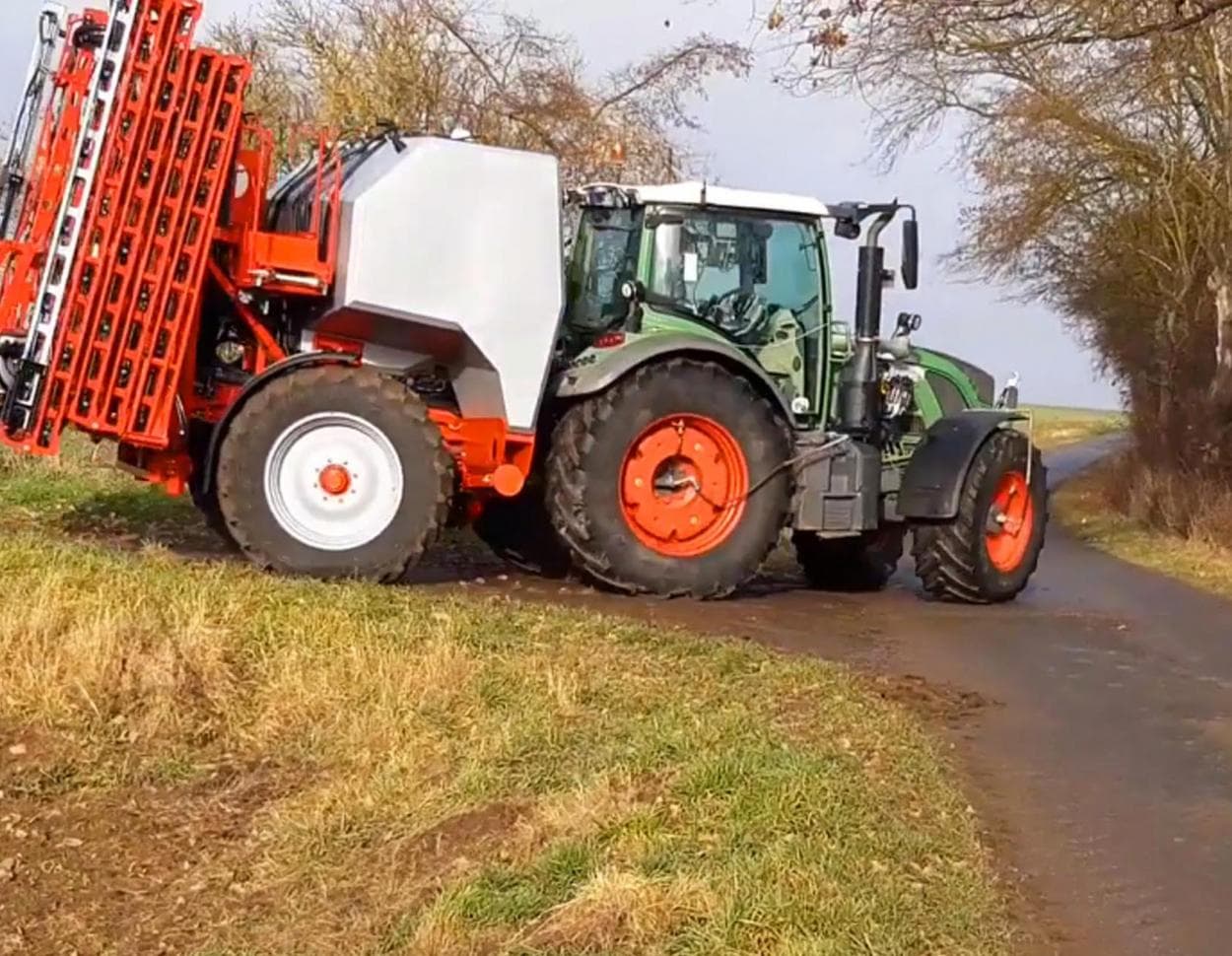
With the high price and low availability of glyphosate this season, you might benefit from some fresh perspective on how to make the most of whatever supply you have.
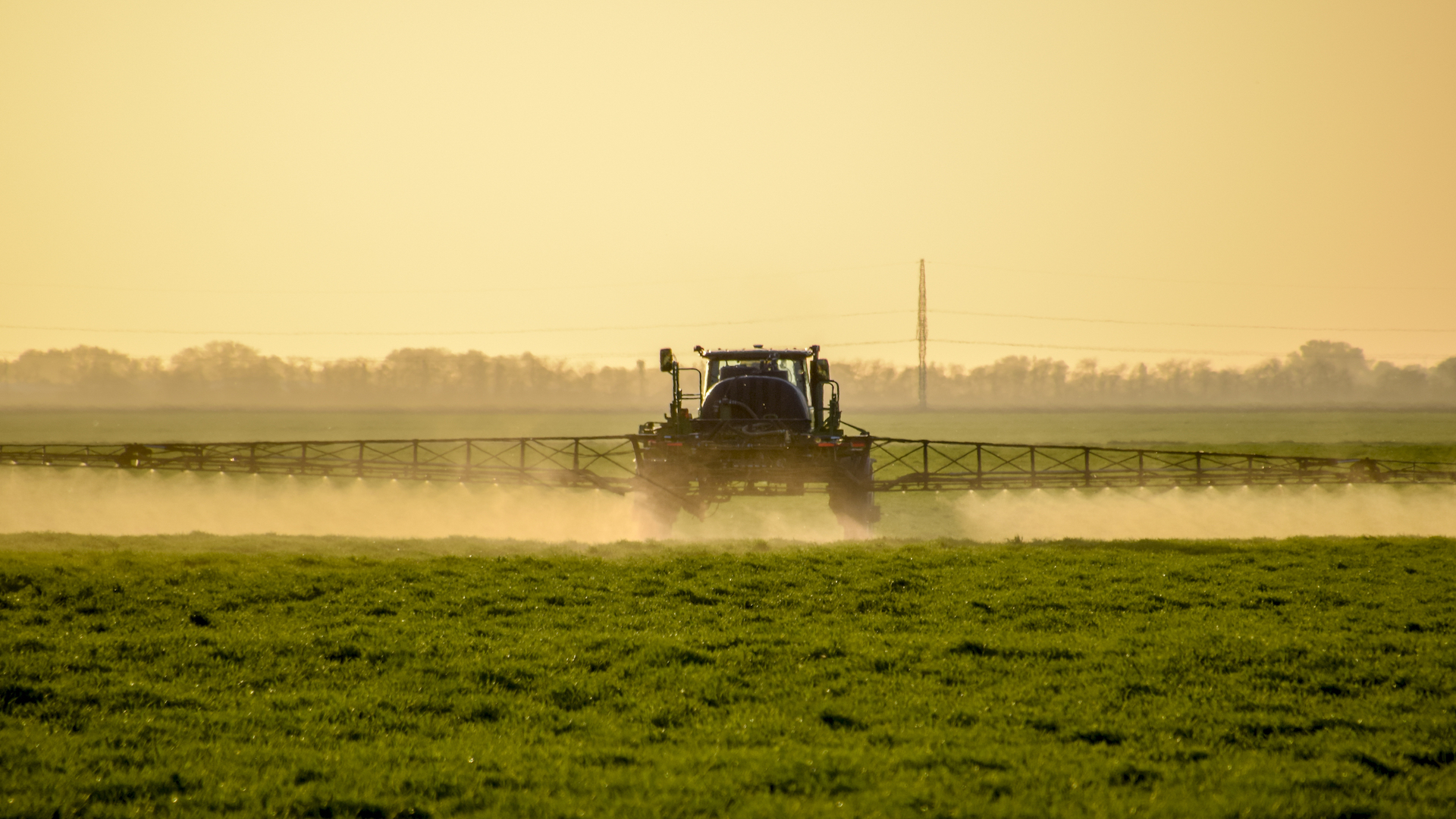
“You paid good money and deserve to get the full function of that material,” says Bernie Roossinck, certified crop advisor and district sales manager for Wilbur-Ellis. His advice: Don’t take shortcuts that could end up costing you money instead of saving it. Here are 16 additional best-practice recommendations and tips to help you improve weed-control outcomes with glyphosate this season.
1. If you need to decide between using glyphosate in corn or soybeans, opt for soybeans, advises Mark Loux, Ohio State University Extension weed scientist. In most scenarios, corn has more herbicide options available.
2. Consider whether a spring burndown application is your best use of available product, Loux adds.
3. If you need to stretch glyphosate across more acres than usual, use a lower labeled rate if weed size allows, advises Bryan Young, Purdue University weed scientist. Stay within the label so you don’t set yourself up for more weed issues later in the season or resistance problems next season.
4. Consider your most problematic weeds and include labeled tank-mix partners that can enhance glyphosate control.
5. Avoid mixing glyphosate with contact herbicides, some of which can be antagonistic and reduce control, recommends Rich Zollinger, Extension weed scientist emeritus, North Dakota State University.
6. Don’t delay your application. Go after small weeds before they reach 3” in height for best results.
7. Apply glyphosate between 10 a.m. and 6 p.m. That will help you avoid spraying with dew on plants, which can inhibit control.
8. Check that your glyphosate formulation includes a nonionic surfactant (NIS). Some formulations do not and NIS (label permitting) helps address weed species such as common lambsquarters, kochia, morningglory and most annual grasses, says Joe Gednalske, manager, Council of Producers and Distributors of Agrotechnology.
9. Use ammonium sulfate (AMS) or a quality water conditioner. A lot of farmers don’t like to handle AMS, but consider that even in soft water, 4 lbs. of AMS per 100 gallons will improve weed-control results, Gednalske adds.
10. Use the lowest water volume allowed by the glyphosate label unless your tank-mix partners require more water.
11. Avoid spraying in dusty conditions, because dust inactivates glyphosate.
12. The same is true for cold weather. Apply glyphosate when temperatures are above 65 degrees F.
13. A coarse spray application using drift reduction technology (DRT) to reduce fines is valuable, says Gednalske. “Low spray volumes and coarse spray allow for a larger concentration active in each spray drop.”
14. Use the right sprayer boom height, he adds.
15. Go slow across the field!
16. Cultivate following application, if needed, but delay tillage at least two to three days after application to give the herbicide time to work, Zollinger advises.

Trying something new on a few acres is OK, Ferrie says, but don’t go whole hog with products you’ve not vetted in previous seasons.

- WEED WEDNESDAY: How to Recognize Your Enemy
- 8 Ways To Ready Your Weed-Control Practices
- Hit the Weed Window or Pay a Price
- Agriculture Invention Harnesses LED Light Inside Combine to Kill Weed Seed
GET A CULTIVATOR READY. Don’t have one? Buy a used one or see if you can rent one from your neighbor. “It might not be ideal, but when you’re up against a $90 herbicide or a lack of availability, you could be out there cleaning up a lot of weed issues,” Ferrie says.