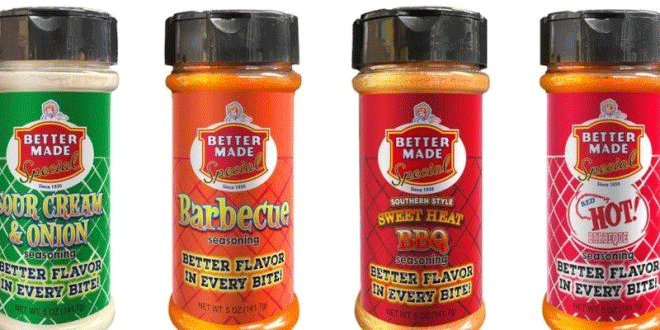
The recent announcement by Better Made Snack Foods to launch standalone seasoning shakers—featuring flavors like Barbecue, Red Hot, and Sour Cream & Onion—is a textbook example of brand extension. However, for professionals in agriculture, this move signals a powerful and growing market force: the relentless drive to convert raw commodities into high-value, branded food experiences. This trend presents both challenges and significant opportunities for farmers, agronomists, and food scientists focused on upstream production.
The core ingredients in these seasonings—potatoes, peppers, onions, garlic, dairy derivatives, and sweeteners—are the foundation of this new value chain. Better Made’s pivot capitalizes on a robust consumer trend. According to a 2023 report by FMI – The Food Industry Association, over 70% of consumers cook at home to save money, yet seek restaurant-quality, bold flavors. The global seasonings and spices market, valued at over $22 billion in 2022, is projected to grow at a CAGR of 5.2% through 2030 (Grand View Research). This growth is driven by premiumization, experimentation, and demand for convenience. For primary producers, this translates to a critical need for consistent, high-quality, and traceable raw materials. A potato destined for a branded “Sour Cream & Onion” shaker must meet stricter flavor and compositional specs than one for generic commodity starch.
Furthermore, this strategy underscores the importance of collaborative supply chains and agricultural innovation. As snack and seasoning companies seek unique, proprietary blends (“flavor equity”), they increasingly partner directly with growers or processors to secure specific varietals. For instance, the “Red Hot” flavor necessitates reliable supplies of specific capsaicin-rich pepper cultivars. This opens doors for contract farming, identity-preserved production, and a stronger focus on breeding crops for flavor compounds, not just yield. Agricultural engineers and scientists are thus tasked with developing precision agriculture and post-harvest technologies that preserve volatile flavor compounds and essential oils from field to processing plant.
The Better Made case is a microcosm of a larger shift: the agricultural sector’s success is increasingly tied to its ability to feed not just stomachs, but evolving consumer desires for flavor, convenience, and brand experience. For forward-thinking farmers and ag professionals, the path forward involves looking beyond the commodity price ticker. Engaging with buyers on flavor profiles, investing in traceability, adopting practices that enhance crop quality for specific end-uses, and exploring partnerships for identity-preserved production are strategic imperatives. The future of farm profitability may well depend on understanding what’s happening not just in the field, but on the retail shelf and in the home kitchen.