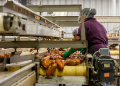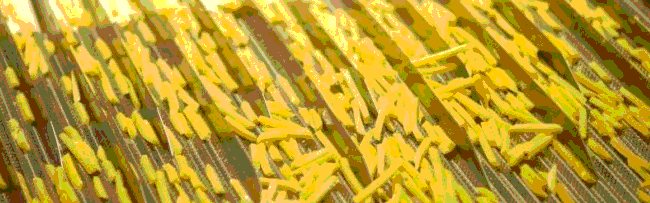
The approval of an 18,000-tonne capacity processing plant by Pitcairn Food Industries in the Sokhna Industrial Zone is a concrete step in Egypt’s national plan to move beyond bulk commodity exports. Egypt is already a significant global potato producer, with an estimated harvest of 6.2 million tonnes in the 2024/2025 season according to recent USDA GAIN reports. However, a substantial portion of this has historically been exported as fresh table stock, particularly to the EU and Russia, a market subject to volatility and strict phytosanitary regulations. This new facility, targeting the frozen processing and ready-meals sectors for aviation, hospitality, and healthcare, represents a deliberate diversification into higher-margin, value-added markets. The SCZONE’s role is pivotal, offering streamlined logistics via the Suez Canal, tax incentives, and integrated infrastructure, making it an attractive hub for export-oriented food manufacturing.
For Egyptian farmers and agronomists, this development creates both a significant opportunity and a clear set of new demands. Supplying a modern processing plant requires a consistent, high-volume flow of raw product that meets precise specifications for variety, size, dry matter content, and sugar levels—criteria far stricter than for the fresh market. This will necessitate closer collaboration between processors and growers, potentially through contract farming schemes. It may drive adoption of specific processing-grade potato varieties (like Russet Burbank or Innovator) over traditional table stock, influencing seed selection and agronomic practices. Furthermore, the focus on “vegetable products” and prepared meals suggests demand will extend beyond potatoes to other crops suitable for freezing, encouraging crop diversification. A 2025 FAO analysis on agro-processing in North Africa highlights that such investments are most successful when paired with robust extension services to help farmers meet quality standards and achieve the necessary yields to make contracted production profitable.
The Sokhna processing plant is more than an isolated investment; it is a bellwether for the modernization of Egypt’s agricultural economy. Its success hinges on creating a seamless, quality-focused link between the field and the factory. For farm owners and agricultural professionals, the coming years will present a critical choice: adapt to the stringent requirements of the value-added processing sector or remain in the more volatile fresh export market. Embracing this shift through updated varietal selection, precision agriculture, and formalized offtake agreements will be key to capturing the stability and potential price premiums this new channel offers. Ultimately, this project underscores a global trend where agricultural competitiveness is increasingly defined not just by yield, but by the ability to integrate into sophisticated, consumer-driven food manufacturing supply chains.