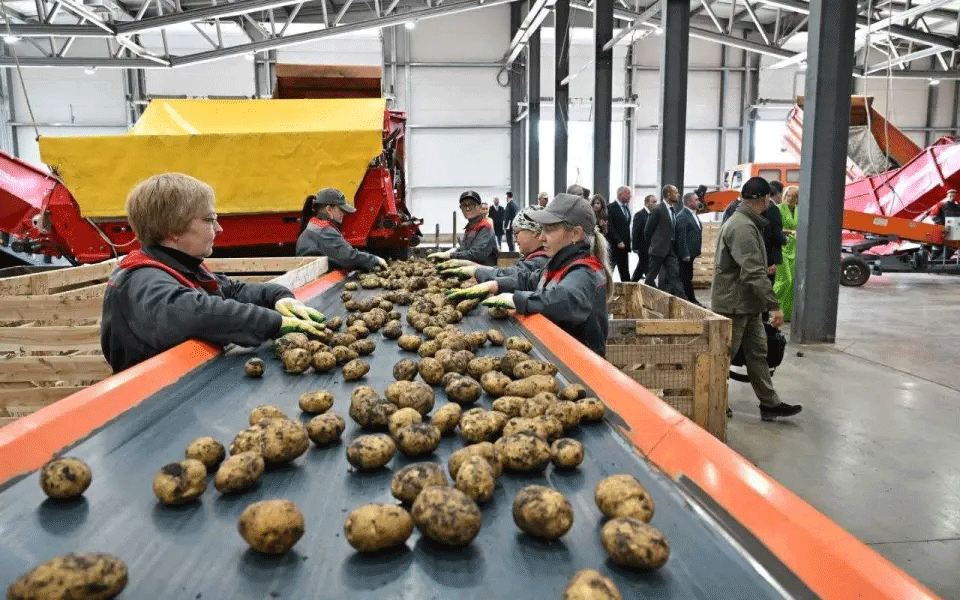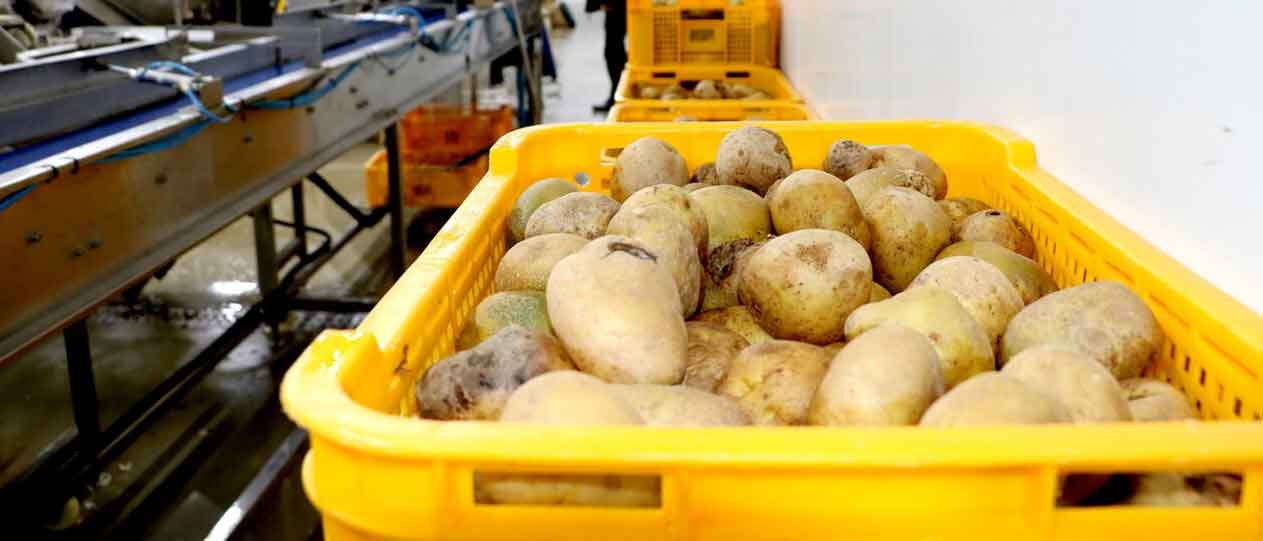
For agricultural economists and cooperative development specialists, the Kangwon Potato Cooperative’s cull potato processing initiative represents a masterclass in value-added agriculture and producer organization. Recognizing that approximately 15% of harvested potatoes are typically rejected from fresh markets due to blemishes, irregular shapes, and surface defects—a perennial “chicken rib” problem where disposal costs exceed recovery value—the cooperative launched a strategic procurement program in 2022, purchasing these grade-out potatoes at 400 KRW/kg (approximately $0.28/kg) . The response from regional cooperatives was immediate and transformative: exclusive shipments to the Kangwon Potato Cooperative jumped from just 24% in 2022 to 53% in 2024, as producers redirected culls that previously represented pure loss into a revenue stream . These potatoes are transformed at the cooperative’s 1,281-pyeong (approximately 4,230 square meters) HACCP-certified food center through washing, peeling, steam processing, and IQF (Individual Quick Freezing), emerging as peeled raw potatoes, mashed potatoes, diced potatoes, and whole baby potatoes that serve large foodservice operators, bakeries (for fillings), and curry manufacturers—with mashed potato orders particularly surging alongside salad consumption trends .
The economic results have been dramatic: sales revenue more than doubled from 20.8 billion KRW in 2022 to 48.8 billion KRW in 2024, demonstrating that processing-grade diversification can unlock trapped value while simultaneously achieving the cooperative’s primary mission of producer consolidation . Critically, Kangwon Potato’s leadership emphasizes that the revenue growth, while significant, is secondary to the structural achievement: by creating a reliable market for culls, the cooperative has become the natural aggregation point for regional producers, enabling scale economies that support diversified product offerings, strengthen buyer negotiating power, and enhance brand representation . This institutional mechanism now positions the cooperative to address one of smallholder agriculture’s most intractable challenges—supply management—through coordinated responses to government policy and market fluctuations . Within the broader context of South Korea’s potato sector, which faces long-term structural pressures including aging farm populations and rising production costs (total output declined 22.6% and cultivated area 26% since 2011), such cooperative-led consolidation models offer a pathway to sustainability . The Kangwon Potato Cooperative’s experience demonstrates that processing cull potatoes is not merely a waste reduction strategy but a catalyst for producer organization, collective bargaining power, and ultimately, the institutional capacity to stabilize markets and protect grower incomes in an increasingly challenging agricultural environment .