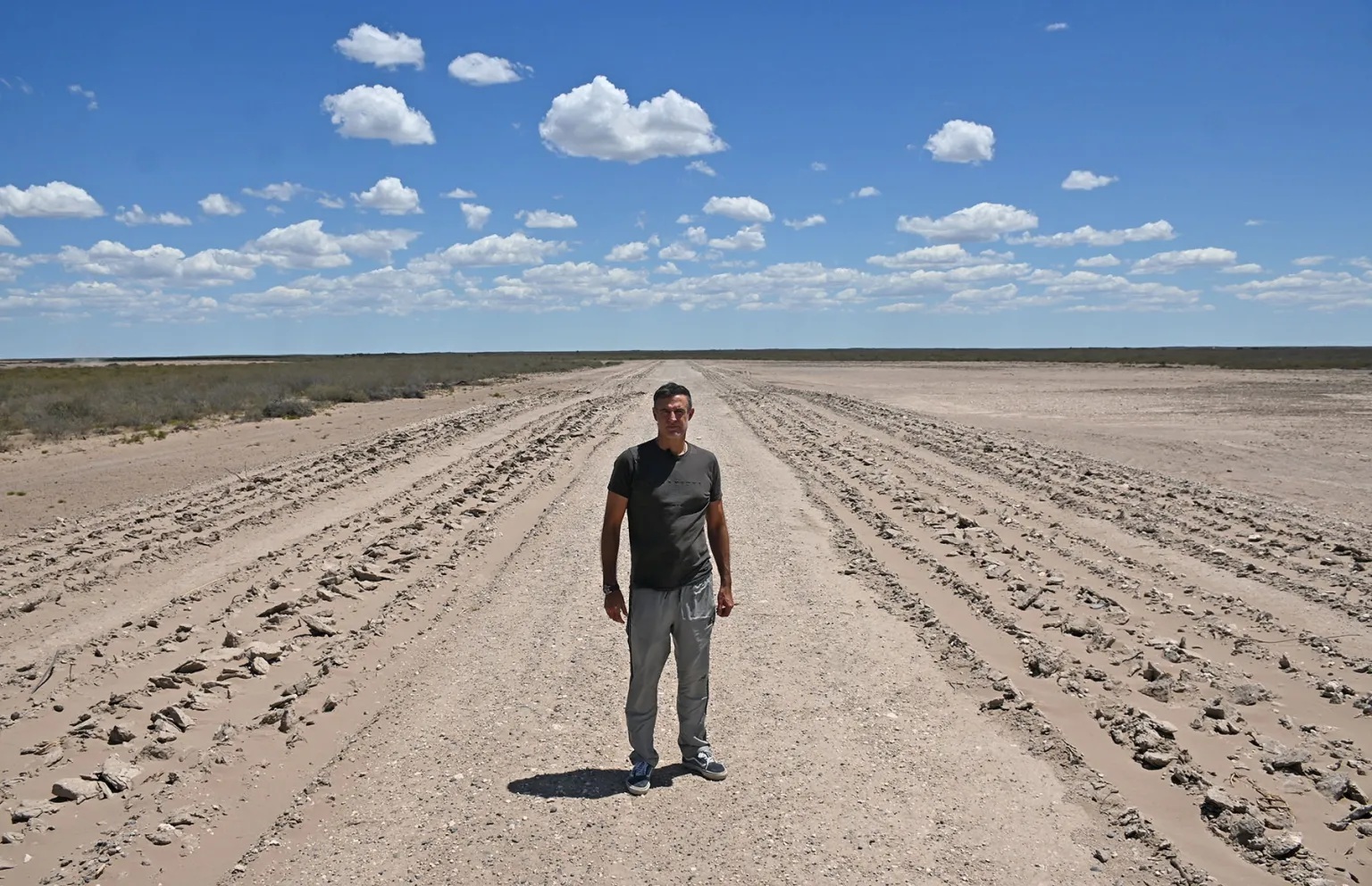
Argentina’s agricultural sector continues to generate striking stories of transformation driven by private initiative and long-term vision. One of the most notable examples comes from the province of Río Negro, where an entrepreneur who once worked as a verdulero (vegetable trader) in Córdoba is now investing around US$50 million in potato production and other crops—helping to turn parts of Patagonia’s desert landscape into a new agricultural hub.
From Wholesale Markets to Large-Scale Farming
After years in the fresh produce trade, the investor gained deep insight into market demand, logistics, and quality requirements from wholesalers, retailers, and processors. This hands-on commercial experience laid the foundation for a strategic move into full-cycle agricultural production, where control over quality, volumes, and timing becomes a competitive advantage.
Why Patagonia and Río Negro
Río Negro is traditionally known for irrigated fruit production along its river valleys, yet vast surrounding areas remain semi-arid or desert-like. The new project targets these lands by combining:
- modern irrigation systems and precision agriculture,
- high-quality seed potatoes,
- agronomic practices adapted to cold nights and sharp temperature fluctuations,
- scalable infrastructure for storage and logistics.
Potatoes as the Anchor Crop
Potatoes play a central role in the project’s strategy. Demand remains strong on Argentina’s domestic market, while processing and export opportunities continue to grow. Under Patagonian conditions, potatoes offer:
- excellent tuber quality,
- strong yield potential with controlled irrigation,
- suitability for both the fresh market and industrial processing.
Investing in Regional Development
The estimated US$50 million investment goes far beyond field operations. It includes infrastructure development, job creation, and the introduction of sustainable farming practices designed to reclaim desert land without degrading natural resources. The project demonstrates how agriculture can act as a catalyst for broader regional development.
A Signal for the Global Potato Industry
The Río Negro initiative highlights a broader global trend: future growth in potato production increasingly comes from non-traditional regions, where technology, water management, and entrepreneurial vision intersect. For the international potato sector, Patagonia is emerging as an unexpected but promising frontier.
Source: ArgenPAPA – “Fue verdulero en Córdoba y hoy invierte US$50 millones en papa y otros cultivos para transformar el desierto de la Patagonia” (argenpapa.com.ar/noticia/16958)