Fruit Logistica & global context
- Fruit Logistica is one of the key global events for fresh produce and processing.
How important is this exhibition for FAM STUMABO’s strategy in 2026?
Fruit Logistica remains a key international platform for FAM STUMABO, not only because of its global reach, but because it brings together the full value chain of fresh produce and processing under one roof.
In a market environment where customers are more selective and investment decisions are carefully weighed, the show provides an excellent opportunity to engage in deeper technical discussions, understand regional priorities, and align with customers on practical, efficiency-driven solutions rather than short-term trends. For us, it is less about visibility and more about meaningful consultative selling and having an advisory role.
- Which major trends in potato and vegetable processing do you currently observe worldwide?
Across regions, we see a strong convergence around a few structural trends: workforce scarcity, pressure on operational efficiency, and the need for consistent product quality across multiple shifts. This translates in industrial cutting solutions that are reliable, easy to use and versatile, a perfect fit with FAM STUMABO’s portfolio.
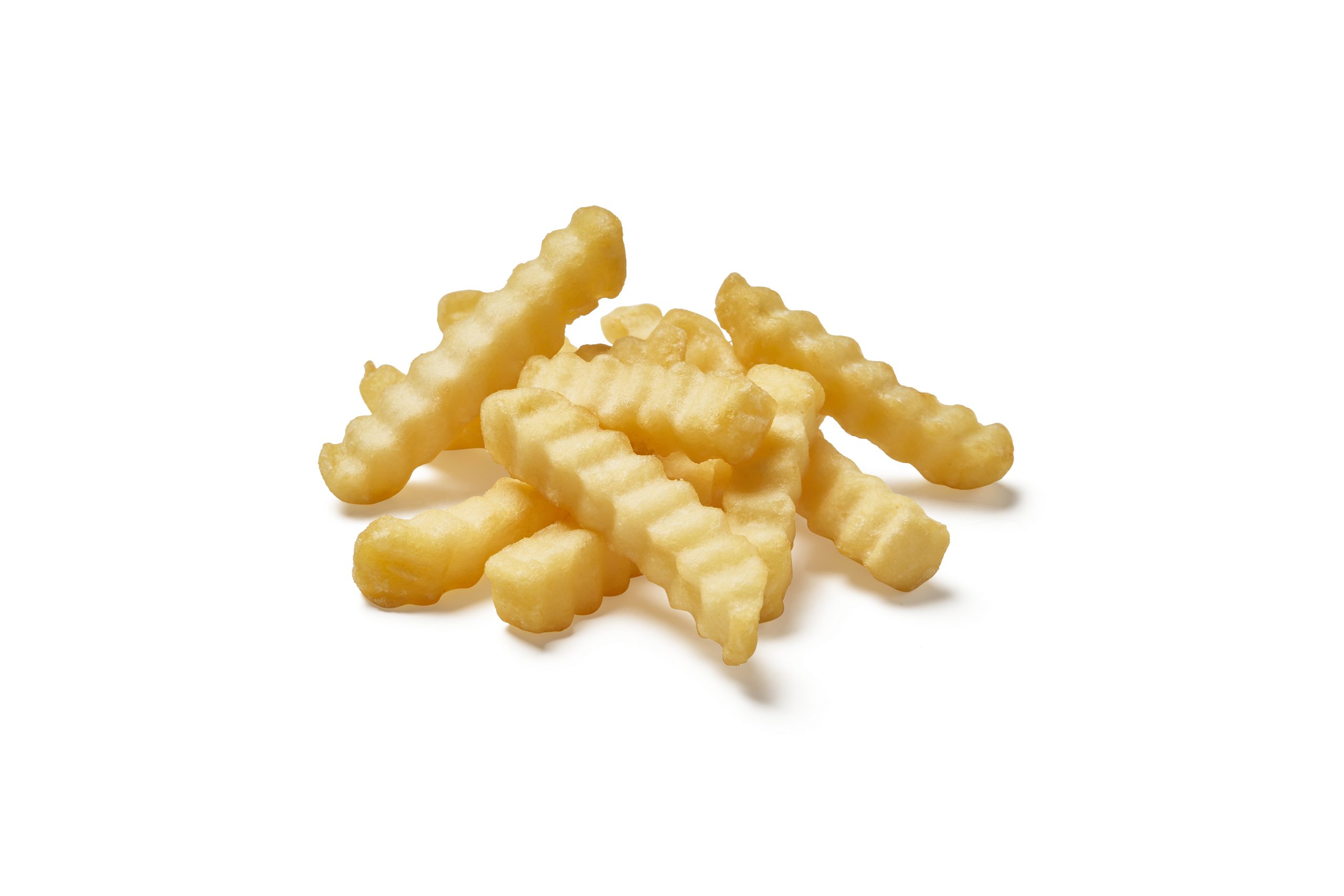
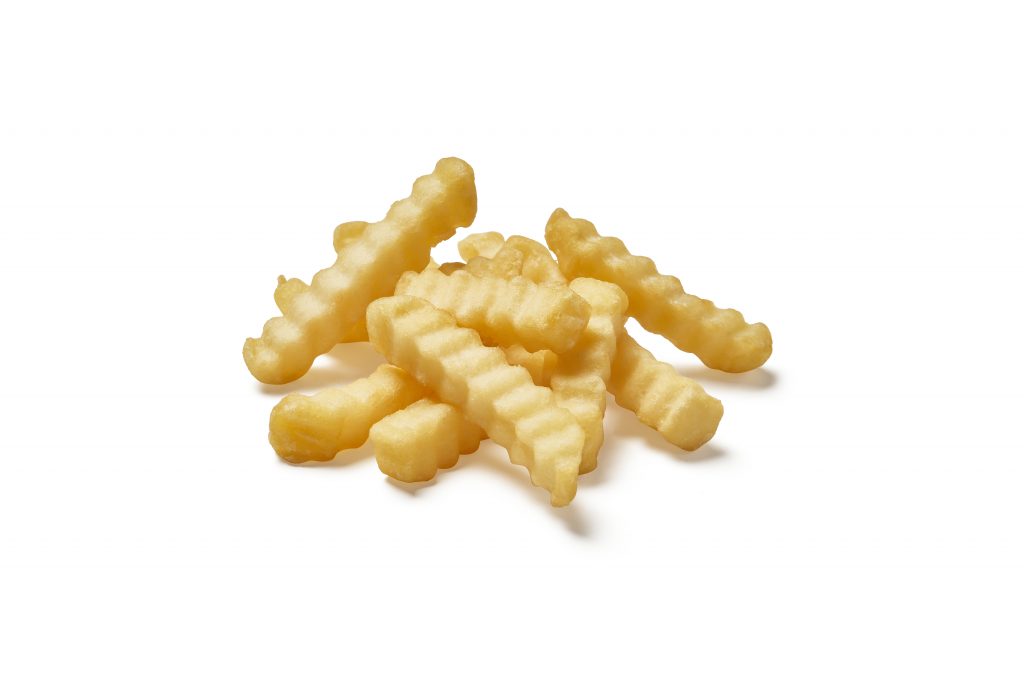
At the same time, processors continue to seek differentiation through shapes, textures, and formats—especially in both chips and French fries—while maintaining tight quality tolerances. This combination of differentiation and consistency is shaping how processing equipment is designed and selected.
Technologies and solutions
1. FAM STUMABO is well known for its cutting expertise.
Which solutions are currently the most in demand in the potato processing sector?
In the potato processing sector, demand is clearly centered on cutting solutions that combine high precision with operational simplicity and reliability. Processors are looking for equipment that delivers consistent results from the very first production run, while reducing setup complexity and operator dependency.
This demand is well reflected in solutions such as the SureTec 240P, which features a unique SureCut Unit specifically developed to address the challenges faced in modern potato processing environments transforming potatoes into dice, flat, crinkle or even deep crinkle cuts. Its design focuses on simplifying tool changes and setup, ensuring cutting accuracy immediately after installation and during product changeovers (i.e. with the use of the SCU). For processors running multiple shifts with varying operator experience, this reliability and ease of use are decisive factors.
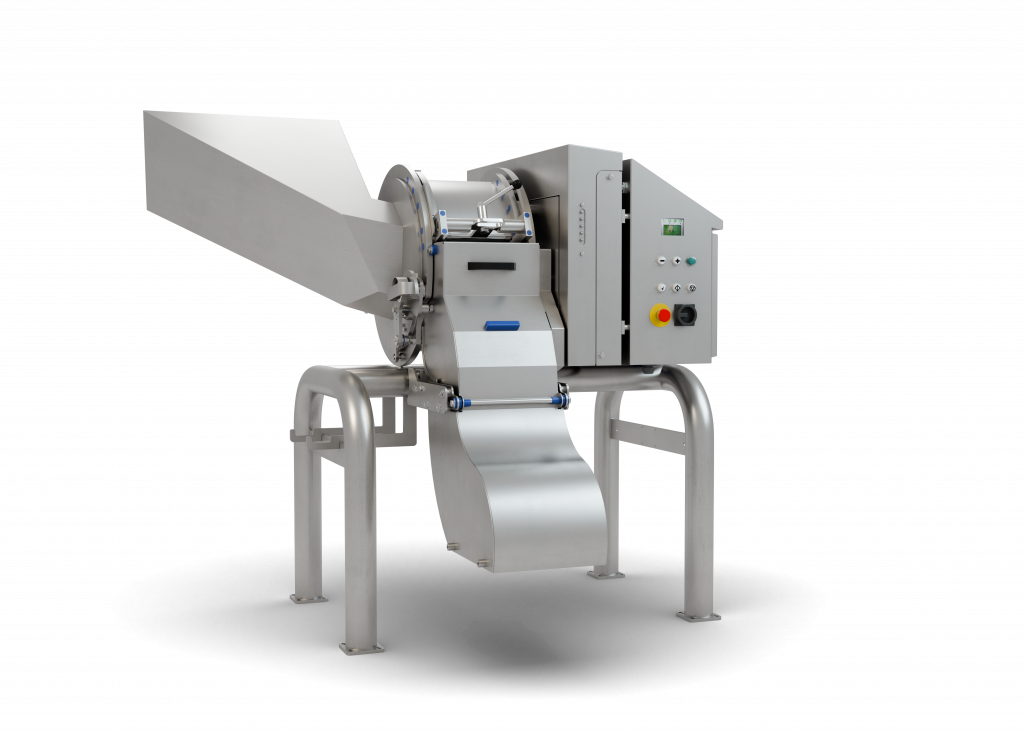
Our grating capabilities through our Centris platform are attracting more attention from potato processors seeking versatility in producing hash browns, Reibekuchen, and similar formed products.
Our hydrocutting heads and blades offer superior cut quality, prolonged blade life, increased efficiency and higher yield. We select specific stainless steel and optimize our blade manufacturing process with tailor-made machinery for the specific requirements of potato processing. This includes the proven Conibot technology, specially developed to maintain superior cut quality when sprouting occurs on potatoes. It minimizes the buildup in the cutting head and, consequently, feathering and jams.
Industrial cutting solutions like those offered by FAM STUMABO, which protect yield, minimize variability, and support stable throughput, are seeing the strongest interest across global potato processing projects.
2. How are customer requirements evolving in terms of cutting precision, yield, and raw material loss reduction?
Demand is strongest for solutions that combine cutting precision with operational simplicity. Processors are looking for equipment that delivers reliable results from the first production run, minimizes setup complexity, and reduces dependency on highly skilled operators.
Cutting solutions that ensure consistent cut dimensions and throughput while minimizing raw material loss are highly valued, as they directly affect yield, downstream processing performance, and overall line efficiency.
3. Are there any technological innovations or updates you would particularly like to highlight this year?
One area of innovation we continue to highlight is slicing technology specifically developed for potato processing, where cutting precision directly influences both product quality and process stability.
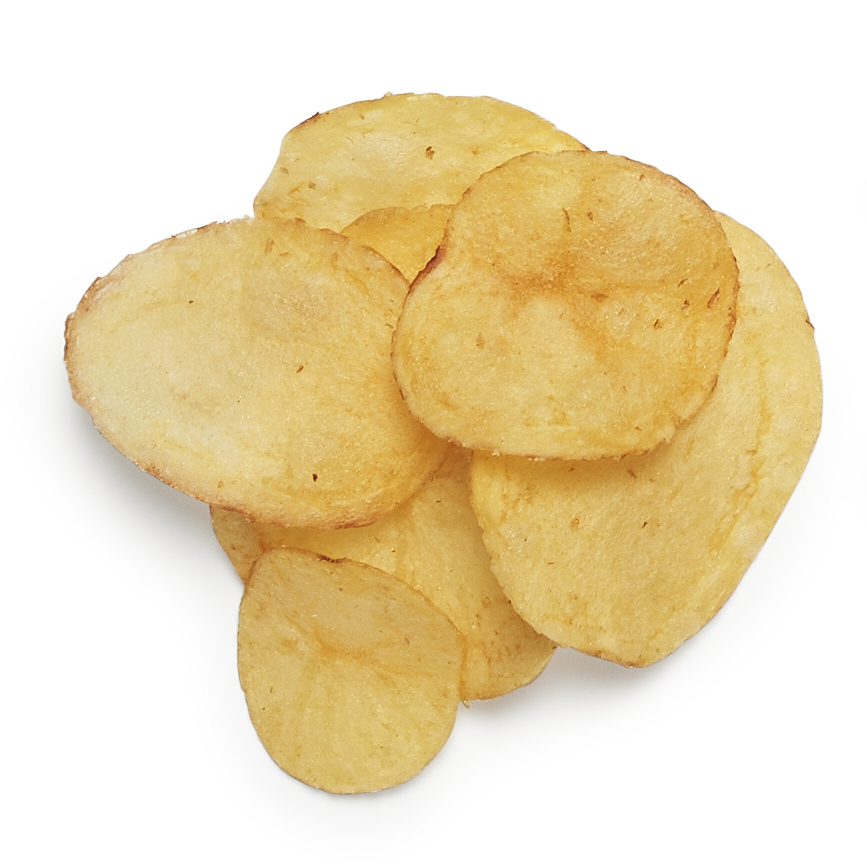
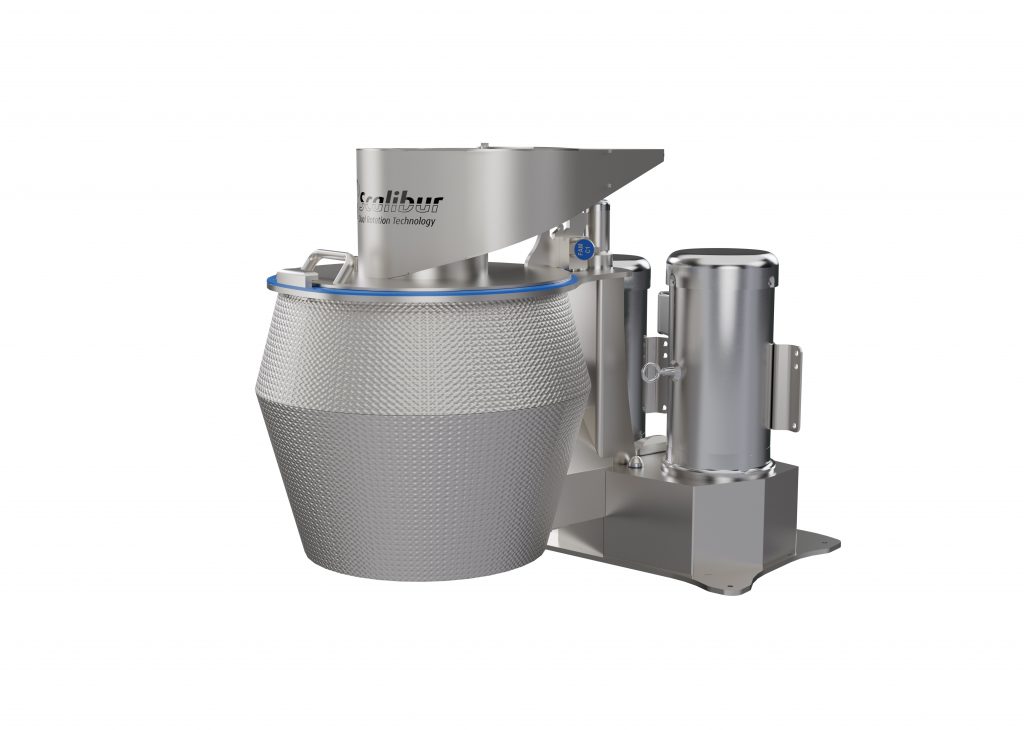
A good example is our Scalibur™ slicer with Dual Rotation Technology, a system where the cutting head rotates in addition to the impeller. It is designed to deliver highly consistent slice thickness while minimizing cell damage during cutting for the potato chips industry. This consistency plays a critical role in achieving uniform frying behavior, stable color development, and predictable texture in finished potato products. Our technology helps processors reduce starch loss and improve overall yield.
Equally important, Scalibur integrates intelligent machine features that assist operators during production, helping them detect deviations early and maintain consistent performance even in demanding, multi-shift environments. If foreign material impacts the blade, the machine slows to minimize further damage to the cutting head. It not only prevents further downstream hassle, but it also gives an alarm to the operator while the line stops feeding this machine and relays its load to the other machines, picking up the pace till the operator resolves the situation, production not missing a beat.
Potatoes for processing – an engineering view
1. Potatoes are a challenging raw material due to variability in shape and quality.
What are the main engineering challenges when developing cutting solutions for potatoes?
Potatoes are a highly variable raw material. Differences in size, shape, density, and internal structure create constant challenges for consistent cutting performance.
From an engineering perspective, the key challenge is designing cutting solutions and blades that can handle this variability while maintaining stable output, precise dimensions, and minimal cellular damage—without adding operational complexity. FAM STUMABO has a Food R&D team that performs scientific research on all these different parameters of the potato or other produce in order to optimize our cutting solutions together with our engineering department.
2. How does cutting technology influence final product quality, frying performance, and visual appearance of fries, chips, and diced products?
Cutting technology has a direct, measurable impact on the final quality of potato products such as fries, chips, and diced applications. Consistent cut dimensions are essential to ensure uniform frying, stable moisture loss, and predictable color development across the entire batch.
Advanced slicing solutions, such as Scalibur, are designed to maintain precise and stable cut thickness, helping processors achieve consistent texture and appearance while reducing unwanted variation between production runs or shifts.
For[ND1] potato chip production, the Scalibur slicer with Dual Rotation Technology delivers a uniquely gentle cutting process, limiting unnecessary cell damage and as such also feathering during slicing. This contributes to more uniform frying behavior, controlled oil uptake, and stable color development, while supporting processors in maintaining tight quality tolerances at an industrial scale.
In this way, cutting is not just a mechanical step, but a critical quality driver throughout the entire potato processing line.
Markets and geography
- Which regions currently show the strongest growth in demand for potato processing equipment?
Growth continues to be strongest in regions investing in local processing capacity, particularly in parts of Asia and Latin America. In these markets, processors are expanding capacity while also investing in efficiency and automation.
In more mature markets, investment is increasingly directed toward upgrading existing lines to improve consistency, reduce waste, and stabilize operations rather than purely expanding volume.
2. What differences do you see between Europe, Asia, the Middle East, and Eastern Europe in terms of customer expectations?
While regional preferences for product formats may vary, expectations around reliability, ease of operation, and measurable performance outcomes are remarkably consistent.
Customers everywhere are looking for solutions that reduce operational risk, simplify training, and deliver predictable results—regardless of local labour availability or production scale.
The biggest noticeable difference is in the type of shapes that become popular within a regional market. The UK market, for example, adores their thicker steak fries, NAM is a bit more conservative as consumption is concentrated in the QSR’s (Quick Service Restaurants) and a more mature market. Asia is showing increased interest in all kind of shapes and hasn’t really settled on their favorites yet. Same trend occurs in the Middle East, where Europe is rather a mix and a bit more versatile.
Sustainability and efficiency
1. Sustainability is becoming a key priority.
How do FAM STUMABO solutions help processors reduce waste and improve raw material efficiency?
Sustainability is increasingly approached through operational efficiency. By improving cutting consistency, reducing trim loss, and minimizing rework, processors can extract more value from the same raw material.
This focus on efficiency not only supports sustainability goals but also delivers immediate economic benefits, making it a practical driver for investment decisions.
2. How important are energy efficiency and ease of maintenance for your customers today?
Both are critical. Customers operate under constant pressure to keep lines running with minimal downtime. Equipment that is easy to maintain, quick to repair, and intuitive to operate directly reduces operational stress and overall energy consumption linked to inefficiencies and stoppages.
Customers, partnerships, and future outlook
1. How do you see FAM STUMABO’s role within the value chain from farmer to processor to market?
FAM STUMABO positions itself as a long-term technology partner rather than a standalone equipment supplier. Our role is to help processors translate product ideas into industrial reality—reliably, consistently, and at scale.
This requires close collaboration with customers and integrators to ensure that cutting solutions are fully aligned with the broader processing line.
2. What are the most common challenges faced by customers launching new potato processing lines?
The biggest challenges are managing complexity and ensuring that promised performance is achieved in real production conditions. Validation cycles are longer, and customers demand clearer proof that equipment will deliver consistent results once installed.
Early technical dialogue and proper integration are therefore essential to successful project execution. FAM STUMABO has also invested in local branches and a network of partners to ensure a ‘Glocal’ presence. We can offer demonstrations of our cutting solutions in our labs across the regions. This allows the customer to see how it works on their produce. We also provide the opportunity to organize in field validations. This consultative approach allows to come up with tailor made solutions ensuring a good outcome end reducing surprises during commissioning & installation.
- What advice would you give to companies planning to invest in potato processing today?
Focus on investments that stabilize operations and deliver measurable value. Technologies that reduce dependence on specialized labor, minimize variability, and protect margins in a volatile environment are likely to deliver the strongest returns.
Looking ahead
- How do you see the potato processing industry evolving over the next 5–10 years?
The industry will continue to grow, but expectations around consistency, efficiency, and differentiation will rise. Processing technology will become more robust, integrated, and easier to operate, with innovation delivered incrementally rather than disruptively.
Success will depend on translating customer expectations into reliable, real-world performance. As we’ve noticed already several times, the market situation can alter relatively fast, in this case, versatility and flexibility, next to optimized OEE, are more than ever crucial to ensure a competitive edge and growth.
2. Finally, what do you consider to be FAM STUMABO’s key competitive advantage on the global market today?
FAM STUMABO’s key competitive advantage lies in combining deep cutting-tool expertise with robust machine engineering, applied specifically to demanding products such as potatoes. This synergy allows us to offer cutting solutions that deliver both precision and operational reliability.
In potato processing, this translates into solutions such as SureTec 240P and Scalibur, which deliver cutting accuracy, ease of use, and consistency without increasing operational complexity. By developing machines and cutting tools in close alignment, we can help processors achieve differentiation, protect yield, and maintain stable performance under real production conditions.
Ultimately, our strength lies in turning complex potato processing challenges into practical, repeatable solutions that perform reliably day after day.
Additional notes:
• Answers can be provided on behalf of the company or by a named spokesperson.
• Photos from Fruit Logistica (stand, team, equipment) are very welcome.
• The interview will be published on potatoes.news with international visibility.
Please let me know if you need any adjustments or a shortened version of the questions.
Kind regards,
Viktor Kovalev
Founder & Editor
Potatoes.News
https://potatoes.news
Email: i@viktorkovalev.ru