#InvasiveWeedManagement #BindweedControl #WeedEcology #PlantInvasions
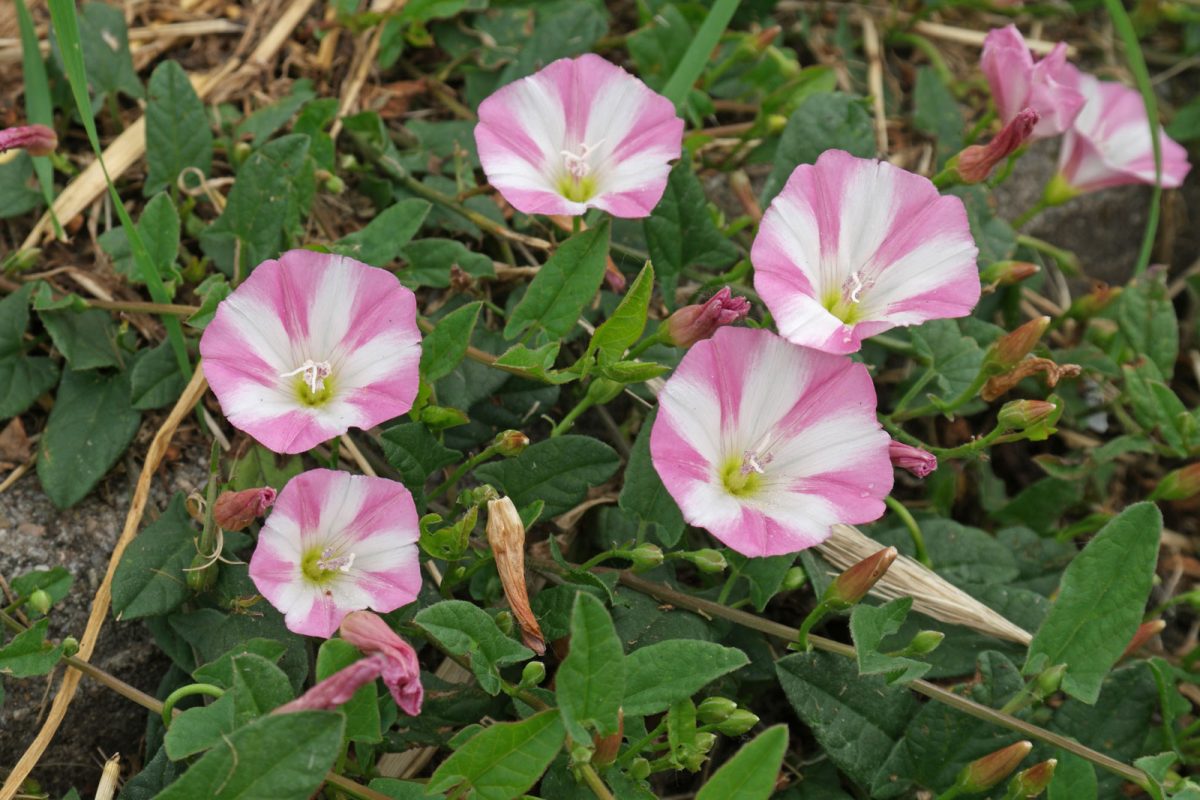
Convolvulus arvensis, commonly known as field bindweed or creeping Jenny, is a highly invasive weed that can cause serious damage to crops, gardens, and natural habitats. This article aims to provide a comprehensive overview of this species, including its identification, distribution, and impact, as well as strategies for effective management.
Convolvulus arvensis is a perennial vine native to Europe and Asia, but it has now spread to many other parts of the world, including North America, where it is considered a noxious weed. The plant has a deep, extensive root system that allows it to survive in harsh conditions and compete with other plants for resources. It can also produce large quantities of seeds, which can remain viable in the soil for up to 20 years.
The consequences of Convolvulus arvensis infestations can be significant. The weed can reduce crop yields, damage infrastructure such as roads and buildings, and smother native plant communities, reducing biodiversity. Managing this invasive species is therefore essential to protect the environment and the economy.
Several strategies can be used to manage Convolvulus arvensis, including cultural, mechanical, and chemical control methods. Cultural methods, such as crop rotation and timely planting, can help reduce the weed’s growth and spread. Mechanical methods, such as hand-pulling and mowing, can also be effective in small infestations. Chemical control methods, including herbicides, are often necessary for large-scale infestations.
In conclusion, Convolvulus arvensis is a highly invasive weed that can cause significant damage to the environment and the economy. Effective management strategies are essential to prevent the spread of this species and protect native ecosystems. By understanding the biology and impact of Convolvulus arvensis, we can take proactive steps to control its spread and protect our natural resources.