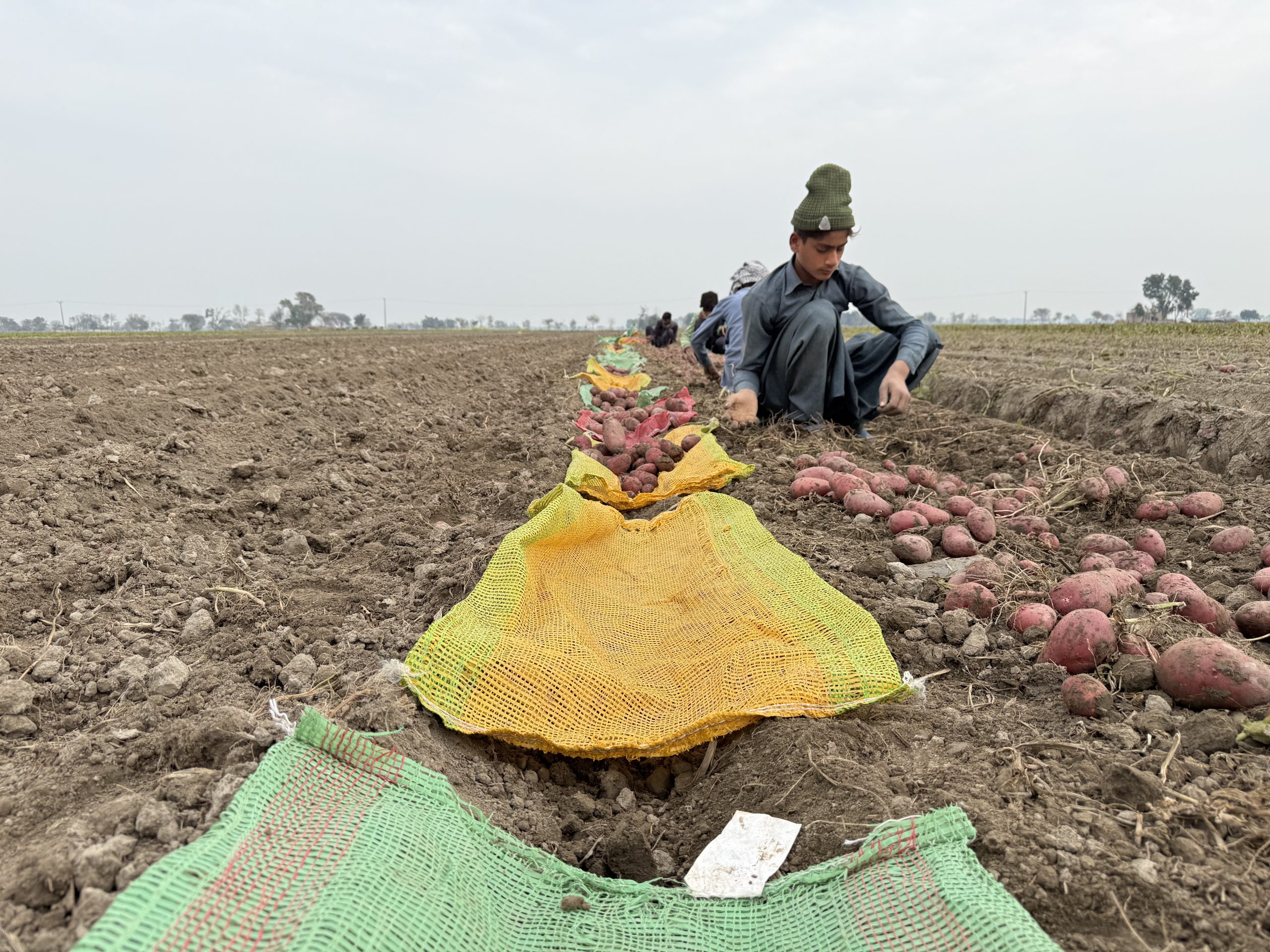
Potato cultivation in Pakistan during the 2024–2026 period represents one of the most dynamic yet structurally vulnerable sectors of the country’s agricultural economy. As the fourth most significant food crop after wheat, rice, and sugarcane, potatoes serve as a critical element in ensuring food security and a vital source of export revenue.1 According to official data from the Food and Agriculture Organization (FAO), Pakistan has firmly established itself as the ninth-largest potato producer globally, reflecting significant growth in production capacity over the last decade.2 However, beneath these impressive statistical indicators lie deep systemic issues related to the degradation of seed stock, underdeveloped storage infrastructure, and a heavy dependence on a volatile regional geopolitical environment, particularly in the context of cross-border trade with Afghanistan and Central Asian nations.
Analysis of the Production Base and Regional Specifics
In the 2024–2025 agricultural season, Pakistan demonstrated extraordinary growth in production, exceeding the national target by 44.7%.2 This surge was driven not only by the expansion of cultivated areas but also by favorable climatic conditions in key production clusters. For the subsequent 2025–2026 season, the Federal Committee on Agriculture (FCA) has set an ambitious gross harvest target of 8.92 million tons, to be achieved across approximately 349,400 hectares.1
The Punjab province remains the primary driver of the industry, accounting for the vast majority of national production; it is projected that the region will provide approximately 8.84 million tons of produce in 2025–2026.1 Other provinces, such as Balochistan and Khyber Pakhtunkhwa, make smaller but significant contributions, ensuring a diversification of harvest timings that theoretically allows Pakistan to maintain a year-round market presence.1
Dynamics of Projected Production by Region (2025–2026)
| Region (Province) | Target Production Volume (tons) | Cultivated Area (hectares) | Share in National Production (%) |
| Punjab | 8,840,000 | 330,000 | 99.14 |
| Khyber Pakhtunkhwa | 35,000 | 14,000 | 0.39 |
| Balochistan | 34,100 | 3,500 | 0.38 |
| Sindh | 7,500 | 1,900 | 0.08 |
| National Total | 8,916,600 | 349,400 | 100.00 |
Despite Punjab’s dominance, other provinces hold the potential for high-altitude seed potato cultivation, which could reduce import dependency if proper logistical and phytosanitary conditions were established.4 Long-term trends indicate that Pakistan has joined a narrow group of countries that have doubled potato production over the last ten years; however, this growth is extensive in nature and is accompanied by mounting internal contradictions in pricing and distribution.5
Technological Barriers and the Seed Stock Crisis
A critical constraint for Pakistani potato farming is low yield compared to global standards, caused by a complex of biotic and abiotic factors.6 At the heart of this problem is a deficit of high-quality, genetically pure, and virus-free seed material. Seed costs account for 35% to 40% of a farmer’s total production expenses, making this resource the most expensive component of agricultural technology.7
Structure and Problems of Seed Supply
Pakistan’s annual requirement for seed potatoes is estimated at approximately 400,000 tons.4 However, official imports total only 15,000–20,000 tons, with only a negligible fraction (about 2%) being certified.4 The vast majority of farmers rely on “informal” sources—using part of their own previous harvests or purchasing uncertified material from local markets.4 This leads to a rapid accumulation of viral load in plants.
Analysis shows that more than 18 potato diseases are prevalent in Pakistan, with Potato Virus X (PVX), Y (PVY), Potato Leafroll Virus (PLRV), and Potato Mop-Top Virus causing the most damage.7 The Whitefly is the primary vector for these infections.7 Additionally, yields are reduced by fungal diseases like late and early blight, as well as soil contamination by nematodes.6
The introduction of modern technologies, such as aeroponics, is viewed as a strategic solution. Joint projects with the Republic of Korea (KOPIA center) are aimed at creating capacities for the production of virus-free mini-tubers.8 Aeroponic technology allows for the production of 50–60 seeds per plant compared to 5 seeds using traditional methods.8 By 2026–2030, the plan is to ensure the production of 160,000 tons of certified seeds annually, which should radically reduce production costs and increase the overall resilience of the sector.8
Comparative Characteristics of Seed Production Methods
| Production Method | Multiplication Coefficient (seeds/plant) | Implementation Cost | Virus Protection Level |
| Traditional (in soil) | 5 – 8 | Low | Low (high risk of soil-borne infection) |
| Tissue Culture (In-vitro) | High | High | High (laboratory conditions) |
| Aeroponics | 50 – 60 | Very High | Very High (no substrate) |
It is important to note that the use of low-quality seeds by smallholders is often accompanied by imbalanced fertilizer application—an excess of nitrogen and a critical deficiency of potassium—which weakens plant immunity and degrades the shelf life of tubers during storage.7
Infrastructural Collapse and Post-Harvest Losses
One of the most painful problems in the sector is the catastrophic level of post-harvest losses, reaching 30–40% of the total harvest.9 This is caused by the lack of an integrated cold chain and the inefficiency of existing storage capacities.
Problems of Cold Storage
Traditional cold storage facilities in Pakistan are characterized by low technological standards. Major factors contributing to losses include:
- Energy Instability: Frequent and prolonged power outages disrupt temperature regimes, leading to accelerated sprouting or rotting of tubers.9
- Technological Backwardness: Most warehouses do not provide automated humidity control or proper ventilation. The “cold chain” itself is perceived not as a single process but as a series of isolated operations.9
- Lack of Farm-Level Capacity: Small-scale producers lack the ability to store their produce, depriving them of “holding capacity.”10 During mass harvest periods, this leads to price crashes as farmers are forced to sell immediately to cover debts and current expenses.10
In 2025, the situation escalated to the point where the cost of renting storage space (about 600 rupees per bag) became comparable to or even exceeded a farmer’s net profit, especially as market prices collapsed to 1,100 rupees against a production cost of 2,300 rupees per bag.11 This creates a disincentive effect: farmers prefer to leave crops in the ground or destroy them because the costs of harvesting and transportation are not offset by market prices.13
Geopolitical Destabilization and the 2025 Export Crisis
Pakistan’s export strategy in 2025 faced an unprecedented challenge due to the closure of borders with Afghanistan. Historically, the Afghan market has been the primary destination, absorbing up to 42% of all exported potatoes.13
Blockade of Afghan Transit
In October 2025, due to a deteriorating security situation and armed clashes, Pakistani authorities closed key border crossings at Torkham and Chaman.11 This decision had catastrophic consequences for potato growers:
- Domestic Price Collapse: Unable to export produce, a colossal surplus formed within the country, leading to price drops of 70–77%.11
- Loss of Regional Markets: Afghanistan served not only as a final consumption point but also as a vital transit corridor for supplies to Central Asian countries. The halt in transit effectively isolated Pakistan from its traditional buyers in Uzbekistan, Tajikistan, and Turkmenistan.13
- Economic Losses: According to Chambers of Commerce estimates, monthly losses from border closures amount to approximately 50 billion rupees (about 177 million USD).15
Pakistan’s military leadership insists on prioritizing national security, stating that trade cannot continue under the threat of terrorism; however, the agricultural lobby warns of the risk of long-term market loss to Iran or Kazakhstan, which are ready to replace Pakistani products in the region.15
The Uzbekistan Vector: Partnership and Competition
Amid problems with Afghan transit, Uzbekistan has become a central figure in Pakistan’s foreign trade agenda. Pakistan is the primary supplier of potatoes to the Uzbek market, especially during the critical winter-spring deficit period (February–May).16
Trade Statistics with Uzbekistan
In 2025, despite logistical difficulties, Uzbekistan imported significant volumes of Pakistani potatoes. During the first eight months of 2025, the volume of supplies from Pakistan totaled 299,400 tons, securing a leading market share of over 60%.18
| Potato Supplier to Uzbekistan (08.2025) | Import Volume (tons) | Cost (million USD) | Change vs 2024 (%) |
| Pakistan | 299,400 | ~28.4 | +12.0 |
| Kazakhstan | 110,000 | 11.2 | +5.0 |
| Afghanistan | 34,800 | 3.8 | -15.0 |
| Kyrgyzstan | 18,100 | 1.9 | +2.0 |
| Russia | 15,400 | 1.6 | -8.0 |
| Total (including others) | 490,800 | 49.7 | +9.1 |
Uzbekistan demonstrates the world’s highest growth rate in potato import value (CAGR +16.2%), making it a strategically important direction for diversifying Pakistani exports.20 In January 2026, high-level negotiations were held in Islamabad with an Uzbek delegation led by Deputy Minister of Agriculture Jamshidjon Abduzukhurov.21 Key topics included the simplification of phytosanitary procedures and the creation of joint processing facilities.21
Sindhu United Links Project and Deep Processing
In January 2026, agreements were reached with the Pakistani company Sindhu United Links Exports (Pvt.) Ltd. to launch joint projects for the processing and packaging of potatoes specifically for CIS markets.23 This is a critical step, as exporting high-value-added products (washed, calibrated, packaged potatoes, or semi-finished products) helps mitigate risks associated with spoilage during long-distance transportation. Additionally, cooperation with Watercon is being discussed to implement advanced in-vitro seed potato cultivation methods.24
Logistical Alternatives and the Trans-Afghan Corridor
The border closures forced the Pakistani government to seek alternative routes. In December 2025, a one-time exemption was granted for exporting potatoes to CIS countries via the Iranian land route (Taftan border crossing).25
Analysis of the Iran Route
The Iranian route is seen as a “necessary evil.” While it allows for bypassing a blocked Afghanistan, it involves serious costs:
- Travel Time: Delivery to Tashkent via Iran takes 15–22 days, whereas it took 5–10 days via Afghanistan.10
- Freight Costs: Transportation rates through Iran are significantly higher. Furthermore, payment complications arise due to the sanctions regime on the Iranian banking system, requiring special revenue repatriation mechanisms through the State Bank of Pakistan.13
- Technical Requirements: Long-distance land transport necessitates the use of refrigerated containers (reefers). While exports to Afghanistan were often carried in standard trucks, the Iranian transit requires expensive cold logistics.10
In the long term, the only reliable solution is the implementation of the Trans-Afghan Railway project (Termez–Kabul–Peshawar). Experts estimate that launching this corridor will reduce transport costs by 40% and delivery time by 5 days, making Pakistani potatoes competitive not only in Central Asia but also in the markets of Eastern Europe and Russia.17 By 2026, the project’s feasibility study is expected to move into the practical implementation phase.27
Social Dimension and the Role of Educational Networks
An interesting aspect of the potato sector’s development in Pakistan is the involvement of large educational conglomerates in the agricultural agenda. The Kasuri family, owners of the Beaconhouse school network (over 315,000 students), is actively investing in potato farming and promoting innovative ideas to stimulate domestic consumption.10

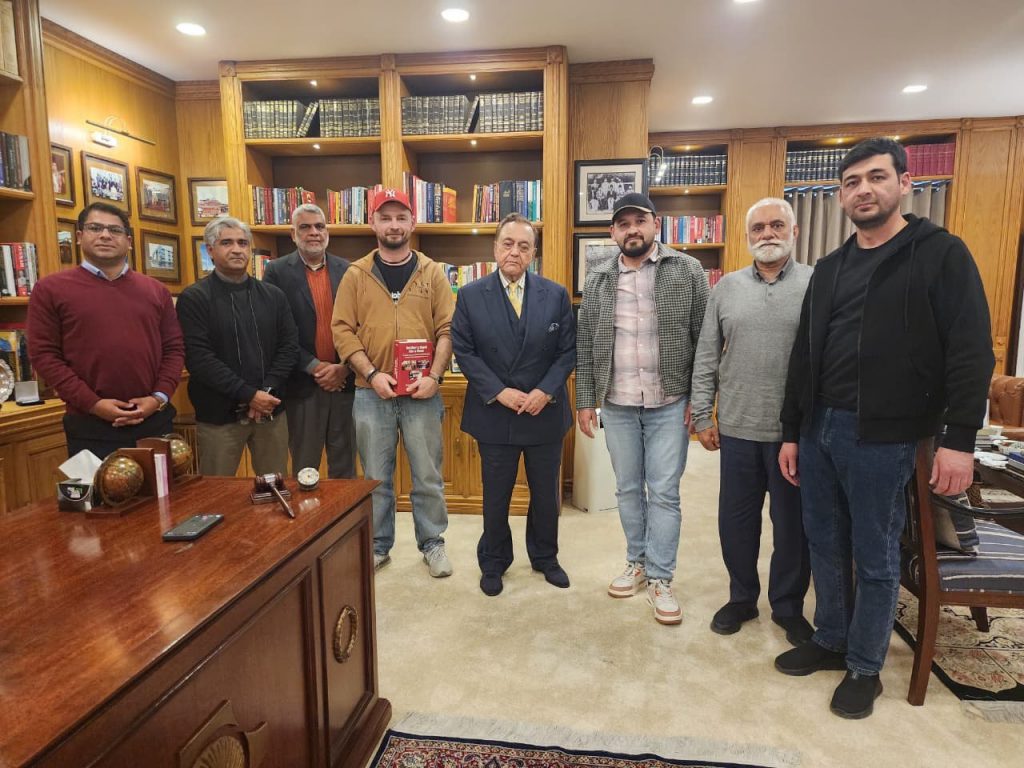
In January 2026, as part of the “International Potato Tour” in Punjab, a landmark meeting brought together key representatives of agricultural science, business, and media to discuss the industry’s future.10 Participants included Beaconhouse Group leaders: Dr. Abdul Mannan (Head of Agriculture), Mr. Muhammad Rasheed (Manager Special Projects), and Noor-ud-din Zahid (Director Development).10 They were joined by Abdul Khuram Wahid (CEO and Managing Partner of Green Perfect Plant Tissue Culture Lab), Sharipov Miraskar Gayratovich (Head of the Sales Department of the Agrover agricultural holding), and Viktor Kovalev, founder of Potatoes News and the International Potato Tour project.31
Marketing Strategies and School Nutrition
During the expert dialogue, the concept of “educating the consumer” was discussed.10 Drawing on global experience (such as Ferrero’s strategy for promoting Nutella in Australia through free samples in kindergartens), it was suggested that potato processing products—puree, flakes, and baked potatoes—be integrated into school lunch programs.10
Several large-scale initiatives are already underway in Pakistan:
- World Food Programme (WFP): Supports the provision of free hot meals in government schools (e.g., in Sindh province, the program covers 11,000 students).32
- Allah Walay Trust: Provides over 2.4 million meals monthly, aiming to increase this number to 20.8 million by the end of 2025.34
Integrating potatoes into these programs could solve a dual problem: providing children with nutritious meals and creating a guaranteed domestic market for surplus produce, thereby reducing farmer dependency on export barriers.10
Statistical Accuracy and the Global Context
The issue of data quality is systemic for the global potato market. At the 2024 World Potato Congress in Adelaide (Australia), a discussion arose regarding the reliability of production data in major producer countries.10
Specifically, it was noted that official reports from Russia often cite figures of 30 million tons, including production in private household plots, which is nearly impossible to measure accurately.10 Meanwhile, production in the organized sector (agricultural enterprises and farms) is about 7.3–8.6 million tons.38 A similar situation is observed in Pakistan: the Bureau of Statistics provides optimistic growth forecasts that do not always correlate with the actual availability of certified seeds and cold storage residues.10 To effectively manage the industry, experts call for the implementation of satellite crop monitoring and automated accounting in cold storage facilities to avoid the “yo-yo effect” in prices.10
Potato Production in Pakistan: Fact vs. Targets
| Indicator | 2023 | 2024 | 2025 (Plan) | 2026 (Forecast) |
| Gross Harvest (million tons) | 7.9 | 8.2 | 8.9 | 9.1 |
| Yield (tons/ha) | 24.5 | 25.1 | 25.5 | 26.0 |
| Export Value (million USD) | 140 | 138 | 100 (est.) | 150 (if transit reopens) |
Economics of Deep Processing: The Case of Okara
To overcome the overproduction crisis, Pakistan must develop a dried potato products industry (flakes and powder). A pre-feasibility analysis for a factory in Okara (Punjab) demonstrates high investment attractiveness.40
Main project parameters:
- Capacity: 1,642 tons of potato powder and 5,040 tons of potato flakes annually.40
- Investment: Approximately 870.11 million PKR (fixed investment — 828 million, working capital — 42 million).40
- Financial Indicators: Internal Rate of Return (IRR) — 21%, payback period — 4.85 years.40
The development of such enterprises will allow farmers to sell produce that is not sized for the fresh market and create a product with a long shelf life that does not require complex cold logistics for export.10
Conclusions and Strategic Recommendations
The analysis of potato farming in Pakistan for 2024–2026 leads to several conclusions. The sector possesses colossal growth potential, supported by favorable natural conditions and experienced producers, but the current development model has reached its limit and requires immediate transformation.
First, the seed crisis must be decisively addressed. State support for aeroponics programs and the creation of a network of certified nurseries is the only way to increase yields and lower costs to a level that allows for competition with producers from Kazakhstan and Russia in Central Asian markets.
Second, modernization of the cold chain is required. Moving from simple warehouses to automated logistical centers with independent power supplies (solar panels, as in KOPIA projects) could reduce losses by 20–25%, equivalent to hundreds of millions of dollars in additional income for farmers.
Third, foreign trade strategy must become multi-vector. Dependence on the Afghan route is a critical risk. It is necessary to accelerate the implementation of the Trans-Afghan Railway and simultaneously develop maritime exports in refrigerated containers through the ports of Gwadar and Karachi to the Persian Gulf and Southeast Asian countries.
Fourth, industrial cooperation with Uzbekistan in 2026 opens a window of opportunity for creating joint brands and processing hubs. This will allow Pakistan to move up the value chain—from a raw material supplier to an exporter of finished food solutions.
Finally, internal market stabilization is possible through stimulating deep processing and integrating potatoes into state food assistance and school nutrition programs. This will not only support farmers during periods of overproduction but also contribute to addressing child malnutrition in the country. The future of Pakistan’s potato sector depends on the ability of the state and private business to synchronize efforts in introducing innovations and diversifying trade routes in a changing geopolitical reality.
Source
- Pakistan potato harvest exceeds target by 44% – FreshPlaza, дата последнего обращения: января 30, 2026, https://www.freshplaza.com/asia/article/9784223/pakistan-potato-harvest-exceeds-target-by-44/
- Pakistan Achieves Record Potato Output Beyond Target, дата последнего обращения: января 30, 2026, https://thedailycpec.com/pakistan-achieves-record-potato-output-beyond-target/
- Pakistan surpasses national potato production target by 44.7%, дата последнего обращения: января 30, 2026, https://www.app.com.pk/national/pakistan-surpasses-national-potato-production-target-by-44-7/
- Pakistan’s potato sector faces seed challenges – FreshPlaza, дата последнего обращения: января 30, 2026, https://www.freshplaza.com/asia/article/9613817/pakistan-s-potato-sector-faces-seed-challenges/
- World potato markets: Record global potato crops recorded, дата последнего обращения: января 30, 2026, https://www.potatoes.co.za/world-potato-markets-march-2024/
- (PDF) Potato production in pakistan: Challenges and prospective …, дата последнего обращения: января 30, 2026, https://www.researchgate.net/publication/325531985_Potato_production_in_pakistan_Challenges_and_prospective_management_strategies_-_A_review
- POTATOES – Trade Development Authority of Pakistan (TDAP), дата последнего обращения: января 30, 2026, https://tdap.gov.pk/wp-content/uploads/2022/03/4.1-POTATOES-TDAP-Multan.pdf
- PR No. 176 Aeroponic Technology will transform Pakistan’s Potato …, дата последнего обращения: января 30, 2026, https://pid.gov.pk/site/press_detail/24472
- Cold Chain and Postharvest Sector in Pakistan, дата последнего обращения: января 30, 2026, https://agribusiness.org.pk/wp-content/uploads/2020/12/19.-Cold-Chain-Interventions.pdf
- 20260127_1.docx
- Pakistan potato prices collapse after Afghan border closure, дата последнего обращения: января 30, 2026, https://www.freshplaza.com/asia/article/9790539/pakistan-potato-prices-collapse-after-afghan-border-closure/
- Closed Afghanistan Trade Routes Cause Major Losses for Pakistani …, дата последнего обращения: января 30, 2026, https://www.bakhtarnews.af/en/Closed-Afghanistan-Trade-Routes-Cause-Major-Losses-for-Pakistani-Farmers-and-Merchants
- Potato exports – Newspaper – DAWN.COM, дата последнего обращения: января 30, 2026, https://www.dawn.com/news/1967019
- Afghanistan-Pakistan Trade Drops 40% Amid Prolonged Border …, дата последнего обращения: января 30, 2026, https://kabulnow.com/2026/01/afghanistan-pakistan-trade-drops-40-amid-prolonged-border-closure/
- Pakistan-Afghan border closure costs exporters $177 million a …, дата последнего обращения: января 30, 2026, https://www.arabnews.pk/node/2628600/pakistan
- Pakistan has become the top exporter of potatoes to Uzbekistan, дата последнего обращения: января 30, 2026, https://www.potatopro.com/es/news/2022/pakistan-has-become-main-supplier-potatoes-uzbek-market
- Prospects for Pakistani Potatoes on Uzbekistan’s Market Over the …, дата последнего обращения: января 30, 2026, https://potatoes.news/prospects-for-pakistani-potatoes-on-uzbekistans-market-over-the-next-five-years/
- Uzbekistan Increases Potato Imports by 9% – UzDaily.uz, дата последнего обращения: января 30, 2026, https://www.uzdaily.uz/en/uzbekistan-increases-potato-imports-by-9-nearly-300000-tons-arrived-from-pakistan/
- Pakistan tops table in potato exports to Uzbekistan in 8M2025, дата последнего обращения: января 30, 2026, https://www.trend.az/business/4100174.html
- Global Potato Market Set for Steady Growth with 1.4% CAGR in …, дата последнего обращения: января 30, 2026, https://www.indexbox.io/blog/potato-world-market-overview-2024-4/
- Uzbekistan and Pakistan discuss expansion of cooperation in …, дата последнего обращения: января 30, 2026, https://newslineuz.com/article/1229613/
- Ministry of National Food Security & Research, дата последнего обращения: января 30, 2026, https://mnfsr.gov.pk/NewsDetail/ZjNkZTM3NjUtYTIxYi00MDM2LWE5Y2ItMDdkNDI4OTQxNjlm
- Uzbekistan and Pakistan on the Path Toward a New Architecture of …, дата последнего обращения: января 30, 2026, https://thegulfobserver.com/uzbekistan-and-pakistan-on-the-path-toward-a-new-architecture-of-strategic-partnership/
- Ўзбекистон Миллий ахборот агентлиги – расмий … – Uza.uz, дата последнего обращения: января 30, 2026, https://uza.uz/en/posts/uzbekistan-and-pakistan-on-the-path-toward-a-new-architecture-of-strategic-partnership_810232
- Pakistan allows kinnow and potato exports to CIS via Iran route, дата последнего обращения: января 30, 2026, https://www.freshplaza.com/asia/article/9794952/pakistan-allows-kinnow-and-potato-exports-to-cis-via-iran-route/
- Pakistan okays export of kinnows, potatoes through Iran, дата последнего обращения: января 30, 2026, https://www.brecorder.com/news/40397673
- Uzbekistan, Pakistan on path to new architecture of strategic …, дата последнего обращения: января 30, 2026, https://worldnewsam.com/story/86814
- Kasim M. Kasuri – The World Economic Forum, дата последнего обращения: января 30, 2026, https://www.weforum.org/people/kasim-m-kasuri/
- Beaconhouse Founder Nasreen Kasuri honoured with SDPI’s Living …, дата последнего обращения: января 30, 2026, https://sdpi.org/beaconhouse-founder-nasreen-kasuri-honoured-with-sdpis-living-legend-award/news_detail
- Viktor Kovalev to Visit Pakistan as Part of the International Potato …, дата последнего обращения: января 30, 2026, https://m.vk.com/wall-196046263_25341
- Viktor Kovalev – BE PROFY IN POTATOES NEWS, дата последнего обращения: января 30, 2026, https://potatoes.news/author/master-kovalev-2/
- School meals take centre in Pakistan with multi-stakeholder … – WFP, дата последнего обращения: января 30, 2026, https://www.wfp.org/news/school-meals-take-centre-pakistan-multi-stakeholder-consultation
- WFP ready to fund free school lunches | The Express Tribune, дата последнего обращения: января 30, 2026, https://tribune.com.pk/story/2525427/wfp-ready-to-fund-free-school-lunches
- School Meal Program – Allah Walay Trust, дата последнего обращения: января 30, 2026, https://allahwalaytrust.org.pk/campaigns/school-meal-program/
- School Meal Programs Around the World, дата последнего обращения: января 30, 2026, https://gcnf.org/wp-content/uploads/2025/02/GCNF-Global-Survey-Report-2024-V1.8.pdf
- WORLD POTATO CONGRESS 2022 – PotatoLink, дата последнего обращения: января 30, 2026, https://harmonica-orange-r7aw.squarespace.com/s/World-Potato-Congress.pdf
- potatoes market intelligence report 2024 – PHDEC, дата последнего обращения: января 30, 2026, https://phdec.gov.pk/wp-content/uploads/2024/11/Potato_Market_Intelligence_Report_2024.pdf
- Russians were told about the decrease in potato harvest, дата последнего обращения: января 30, 2026, https://www.oreanda-news.com/en/gosudarstvo/russians-were-told-about-the-decrease-in-potato-harvest/article1549128/
- Russian government acknowledges nearly 20% drop in potato harvest, дата последнего обращения: января 30, 2026, https://www.freshplaza.com/europe/article/9677505/russian-government-acknowledges-nearly-20-drop-in-potato-harvest/
- 6 – Potato Powder and Flakes Manufacturing Unit | PDF – Scribd, дата последнего обращения: января 30, 2026, https://www.scribd.com/document/532388766/6-Potato-Powder-and-Flakes-Manufacturing-Unit
- Sustainable Practices in Potato Flakes Production – nsspl, дата последнего обращения: января 30, 2026, https://www.nsspl.in/sustainable-practices-in-potato-flakes-production-reducing-waste-and-energy-consumption/