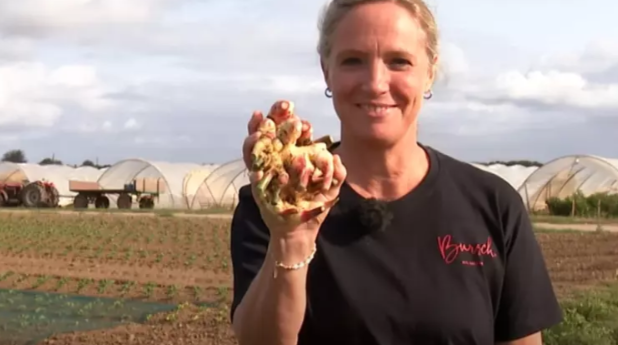
In the state of North Rhine-Westphalia, Germany, a quiet agricultural revolution is underway as farmers successfully cultivate crops once considered unsuitable for the region’s temperate climate. Margarete Ribbeke grows ginger in polytunnels on her organic farm, integrating it into a diverse system of over 60 different crops. Meanwhile, conventional potato farmer Andreas Pottbäcker has pivoted significantly, now generating the majority of his revenue from sweet potatoes—a crop he has meticulously mastered over nine seasons. Their success challenges traditional assumptions and highlights a strategic response to market opportunities. In 2022, Germany imported approximately 48,000 tonnes of sweet potatoes, according to the Federal Ministry of Food and Agriculture (BMEL), creating a substantial import substitution opportunity for domestic producers. Similarly, the EU’s ginger market is heavily import-reliant, creating a clear opening for local, sustainably grown products that can command a premium.
The agronomic learning curve for these crops is steep and requires a significant departure from traditional practices. As Pottbäcker emphasizes, sweet potato cultivation “has nothing to do with” conventional potato farming. The harvest is particularly delicate, requiring manual handling to avoid damaging the fragile tubers with their sensitive skin—a stark contrast to the mechanized harvest of standard potatoes. For ginger, the primary challenge is creating a suitable microclimate; it requires protected cultivation systems like polytunnels or greenhouses, consistent warmth, and high humidity. This aligns with research from institutions like the University of Göttingen, which is studying optimized protocols for sweet potato cultivation in Central Europe, focusing on variety selection, planting dates, and mulch films to warm the soil. The economic payoff, however, can be substantial. Sweet potatoes can yield 40-60 tonnes per hectare in well-managed German systems, and with retail prices significantly higher than those for white potatoes, the gross margin per hectare can be very attractive, justifying the intensive labor and specialized knowledge required.
The experiences of Ribbeke and Pottbäcker demonstrate that the cultivation of ginger and sweet potatoes in temperate regions is no longer a mere novelty but a viable and strategic diversification option. For farmers, agronomists, and farm owners, these crops represent a pathway to capturing value in a premium market niche, reducing exposure to the volatile commodity prices of mainstream crops, and building a more resilient farm business. The key to success lies in recognizing the specialized agronomic requirements, investing in the necessary infrastructure and knowledge, and developing direct market channels that appreciate the “locally grown” story. As climate patterns shift and consumer demand for diverse, healthy foods grows, the pioneering work of these German farmers provides a valuable blueprint for agricultural innovation and economic sustainability.