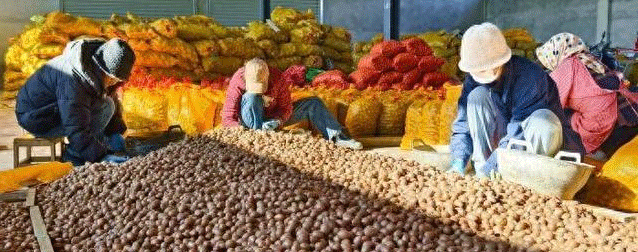
For potato producers, understanding end-market dynamics is as crucial as managing a healthy crop. A detailed snapshot from leading Southeastern U.S. grocery chains like Piggly Wiggly (241 stores) and W. Lee Flowers & Co. (52 stores) offers a powerful lens into consumer demand and retail strategy. Potatoes are a cornerstone of produce sales, ranking in the top 5% of the category at Piggly Wiggly, with regional executives noting the Southeast is “very, very aggressive” in its potato consumption. This aligns with national data; despite slight recent volume dips, potatoes remain a produce department powerhouse, with retail sales often exceeding $6 billion annually in the U.S., demonstrating resilient consumer demand.
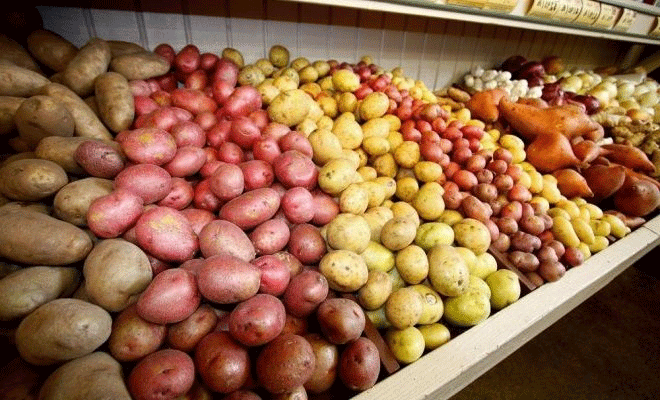
The retail assortment is a direct map of market opportunity. The breakdown is telling:
-
Volume Leaders: Traditional 5- and 10-pound bags of Russet potatoes (particularly Idaho-labeled) are the undisputed top sellers, representing the high-volume commodity core.
-
Premium Fresh Varietals: Red and Yukon Gold potatoes are consistently cited as the next best sellers, indicating strong and stable demand for specialty fresh varieties favored for roasting, boiling, and salads.
-
Value-Add Expansion: A significant portion of shelf space is dedicated to value-added formats. A single retailer may carry 15+ SKUs of packaged potatoes, including trays, foil-wrapped bakers, microwaveable bags, and blends of mini potatoes. This signals a critical growth channel that commands higher margins.
-
Category Growth: Sweetpotatoes are a mandatory part of a complete potato set, with multiple SKUs (four at Piggly Wiggly), reflecting their solidified status as a health-conscious staple.
-
Niche Premiumization: The presence of organic red and russet potatoes and bulk options caters to specific consumer segments, rounding out a full-spectrum assortment.
Sales velocity exhibits a clear seasonal peak during fall and winter, driven by holiday gatherings and comfort-food baking traditions. This predictable surge must be factored into harvest, storage, and shipping logistics.
The modern retail potato aisle is not a monolithic market but a stratified one, requiring a diversified production and marketing strategy from growers. Success depends on balancing high-volume Russet production for the commodity base with dedicated acreage for high-demand fresh varieties like Reds and Yukon Golds. Critically, the growth of value-added and convenience formats presents an opportunity for growers to engage in partnerships or vertical integration strategies that capture more of the final consumer dollar. Furthermore, the undeniable strength of the sweetpotato category and the niche for organic suggest avenues for diversification. Ultimately, aligning production plans with the detailed SKU-level strategy of retailers is key to maximizing profitability and mitigating risk in a competitive market.