#Agriculture #PestControl #Sustainability #IPM #GeneticallyModifiedCrops #TurnipMoths
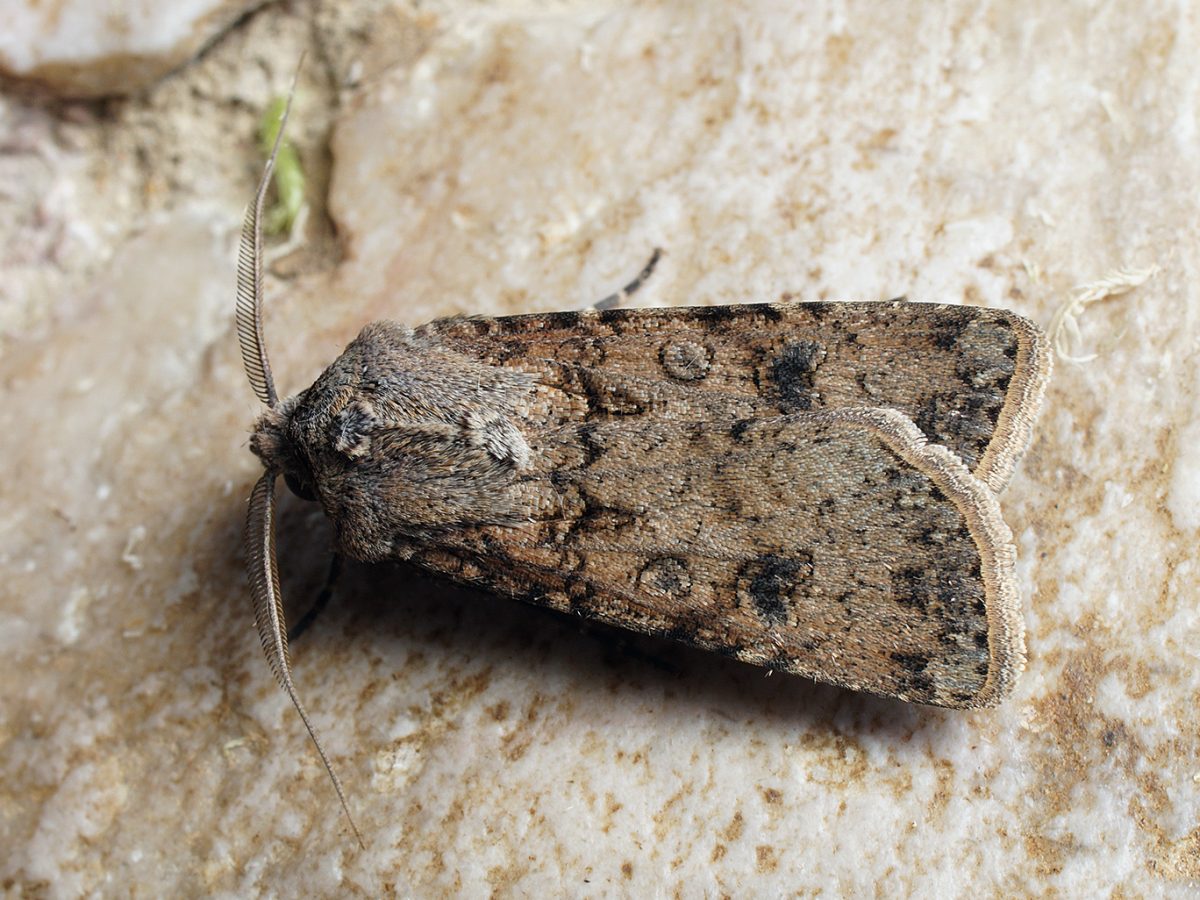
Agrotis segetum, commonly known as the Turnip moth, is a major pest of various crops, including turnips, cabbage, lettuce, and other vegetables. This moth species is widely distributed in Europe, Asia, and North Africa, and its larvae can cause significant damage to crops, leading to economic losses for farmers and reduced food production.
The development of Agrotis segetum larvae is greatly influenced by environmental factors such as temperature, humidity, and photoperiod. The larvae can feed on various parts of the plant, causing damage to leaves, stems, and fruits. In severe infestations, the larvae can cause complete defoliation of the plant, leading to reduced yield and poor crop quality.
To control the population of Agrotis segetum, farmers rely heavily on insecticides, which can have negative impacts on the environment and human health. Integrated pest management (IPM) strategies, such as the use of pheromone traps, crop rotation, and biological control agents, have been developed as more sustainable alternatives to chemical control.
Furthermore, research has been conducted to develop genetically modified crops that are resistant to Agrotis segetum, reducing the need for pesticides and minimizing the impact of this pest on crop production. However, the use of genetically modified crops is still a topic of debate, and their potential impacts on the environment and human health need to be carefully considered.
In conclusion, the development of Agrotis segetum and its impact on agriculture highlight the importance of sustainable pest management practices. The use of integrated pest management strategies, along with the development of resistant crop varieties, can help mitigate the economic and environmental impacts of this pest.