A bureaucratic bottleneck over phytosanitary certificates is halting vital potato exports from Kazakhstan to Uzbekistan, causing a market glut and risking long-term trade relationships. This incident highlights the critical vulnerability of agricultural supply chains to administrative and technical failures, with millions in produce and future contracts on the line.
A significant trade dispute is simmering between Kazakhstan and Uzbekistan, centered on a seemingly simple commodity: the potato. Despite the official removal of an export ban, Kazakh potato farmers find themselves unable to ship their early-season harvest across the border. The official reason, as cited by the Ministry of Agriculture, was a temporary glitch in the digital information system used to issue mandatory phytosanitary certificates. While the government claims the issue is resolved, agricultural unions on the ground report a very different, and increasingly dire, reality.
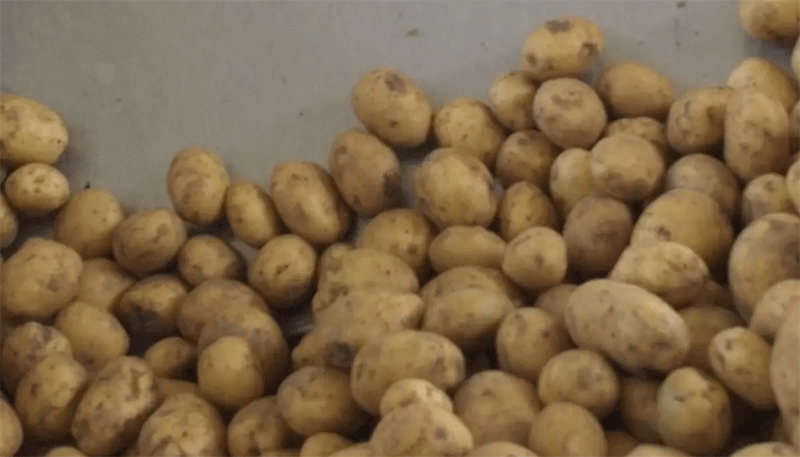
The Union of Potato and Vegetable Growers of Kazakhstan reports a complete halt in exports due to the absence of these critical certificates. The consequences are severe and immediate. The domestic market has become oversaturated, causing prices to crash below the cost of production. Most alarmingly, over 8,700 tonnes of potatoes, already loaded into 131 railway wagons destined for Uzbekistan, are now trapped. As experts warn, the clock is ticking—these potatoes have a mere two weeks before they begin to spoil under their own weight, rendering them unsellable and leading to total financial losses for the exporters.
This is not an isolated incident. Similar complaints from trade partners arose last year, indicating a systemic failure in the export certification process. The chairman of the Kazakh union, Baizhan Ualikhanov, highlighted the diplomatic ramifications, noting that Uzbek buyers who have already paid for and loaded the produce will now have to involve their government, forcing an uncomfortable explanation at the “international level.”
While the Kazakh Ministry of Agriculture denies any ongoing problems—stating the technical issues were “promptly resolved” and that certificates for the 8,704 tonnes were issued on September 4th—the stark contrast between official statements and the desperate reports from farmers points to a significant communication and logistical gap.
This crisis underscores a broader, global challenge in agri-food logistics. According to a 2023 report by the FAO on global food trade, non-tariff trade barriers, particularly Sanitary and Phytosanitary (SPS) measures and their administration, are among the most significant hurdles for agricultural exporters. Efficient, transparent, and resilient digital systems for issuing export documentation are no longer a luxury but a necessity for maintaining food security and stable prices across regions.
The Kazakhstan-Uzbekistan potato standoff is a classic case study in how modern agriculture depends as much on digital infrastructure and efficient bureaucracy as it does on soil and weather. A failure in an IT system can trigger a cascade of economic losses, damage farmer livelihoods, and jeopardize international trade partnerships built over years. For agronomists and farm owners, this incident is a stark reminder that risk management must now extend beyond the field to include supply chain logistics and government relations. Investing in stronger advocacy for streamlined digital processes and contingency planning for administrative delays is crucial for future resilience.