Cheboksary — As part of the large-scale international potato tour and the specialized “Potato-2026” exhibition, immense attention is traditionally paid to phytosanitary security issues. One of the key events of the business program was the presentation by Vladimir Barkov, Head of the Product Development Department at the “Avgust” company. The topic of his speech — “A Scientific and Practical Approach to the Choice of a Protectant” — resonated strongly with agronomists and producers, especially in light of the phytosanitary challenges of the past season.
Today, the “Avgust” company is firmly among the top three leaders in potato protection, holding a 15% market share among domestic and foreign manufacturers. By 2030, it plans to double this figure, bringing its share to 30%. With a wide range of 44 specialized products in its portfolio, the company offers comprehensive solutions: from seed tuber treatment all the way to desiccation and harvesting.
The Foundation of the Harvest: Why Seed Treatment is Critical
Seed potato treatment is the base and foundation of the entire cultivation system. Without a properly laid foundation, it is practically impossible to obtain a full and high-quality harvest. The philosophy of modern crop protection is not simply to sell profitable chemical combinations, but to start from specific harmful objects and pathogens, identifying the root problem and selecting a targeted solution for it.
During the exhibition, the main diseases faced by potato growers were analyzed in detail, and proven control strategies were proposed:
1. Rhizoctonia (Black Scurf): A Hidden Threat to Yield
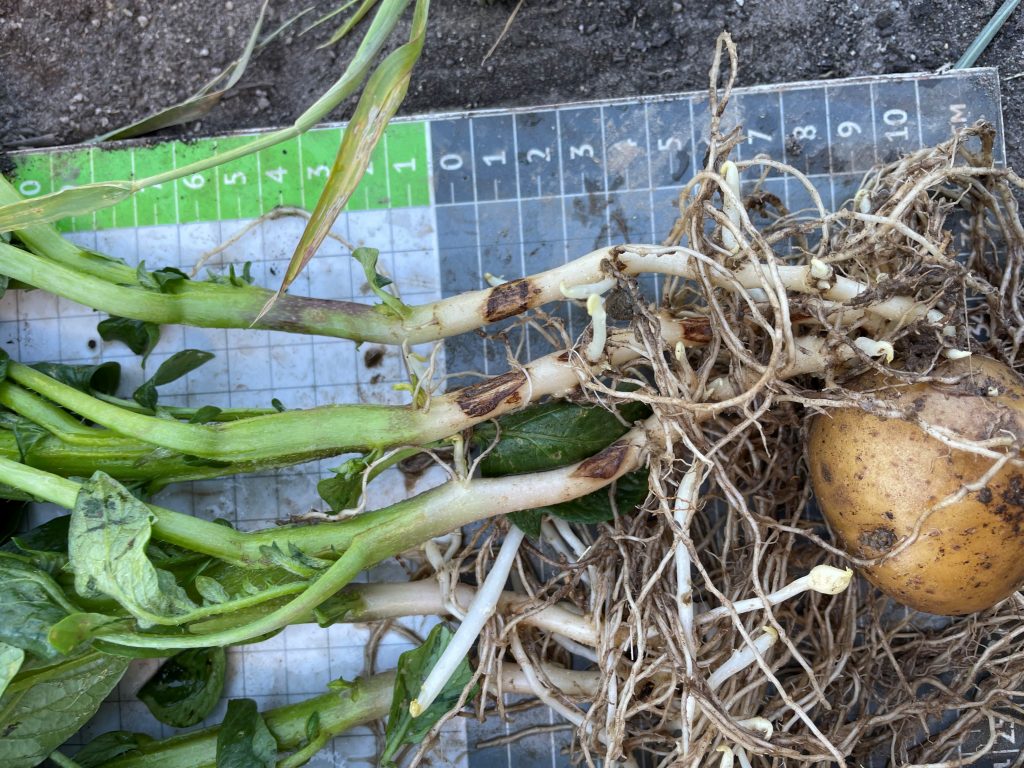
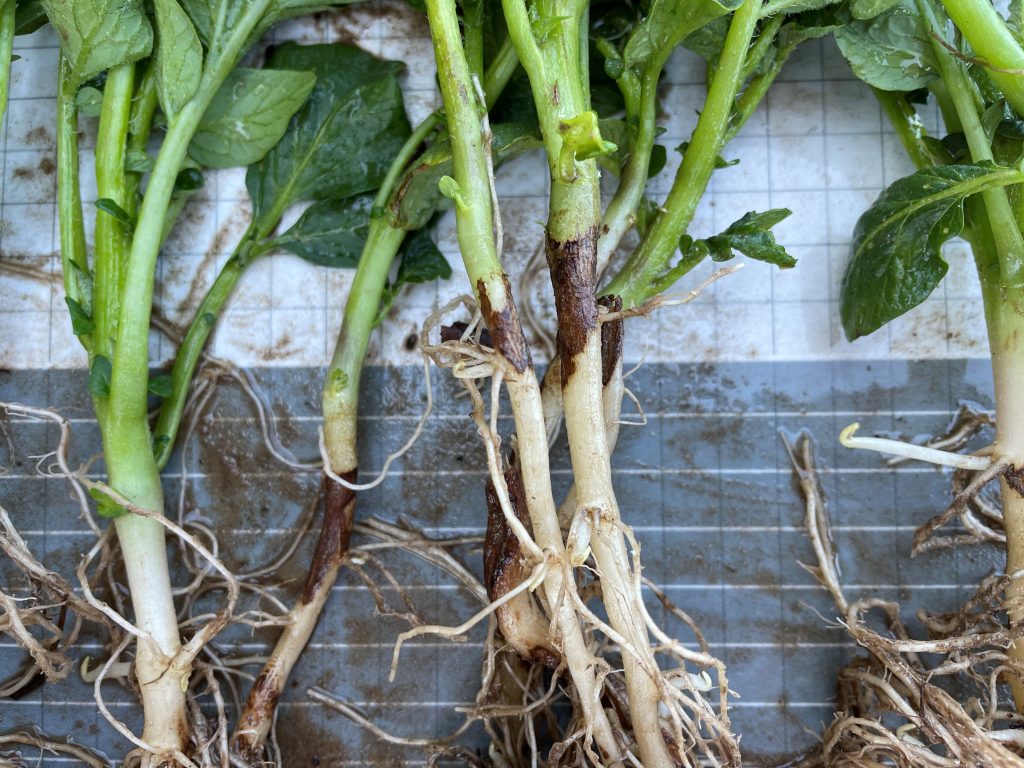
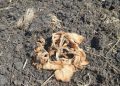
- Specifics: This disease is often underestimated, as its true scale only becomes apparent when digging up the bush and washing the root system.
- Danger: The main threat of Rhizoctonia is stolon stricture (girdling), which can cause yield losses of up to 30% of the initial tuber set.
- Solution: To combat the pathogen, the base combination of azoxystrobin (the product “Intrada”) and the unique product “Idikum” (iprodione + difenoconazole + imidacloprid) has proven to be highly effective. The contact action of iprodione reliably covers soil infection, while difenoconazole protects the root zone. Tellingly, “Idikum” is already used to treat more than 10% of the potato planting areas in the country (over 30,000 hectares).
2. Fusarium Fungi
- Specifics: Fungi of this genus manifest as dry rots during storage, as well as Fusarium wilt in the field.
- Danger: Since these fungi also infect other crops (including cereals and the entire borsch vegetable set), it is extremely difficult to build a perfect crop rotation to avoid them.
- Solution: An effective strategy, proven by laboratory and field trials, is the use of fludioxonil at a rate of at least 70 g of active ingredient per hectare. Recommended products include: “Sinclair”, “Idikum”, “Bayside”, and the upcoming “Rondash”.
3. Anthracnose: A Growing Problem in the Fields
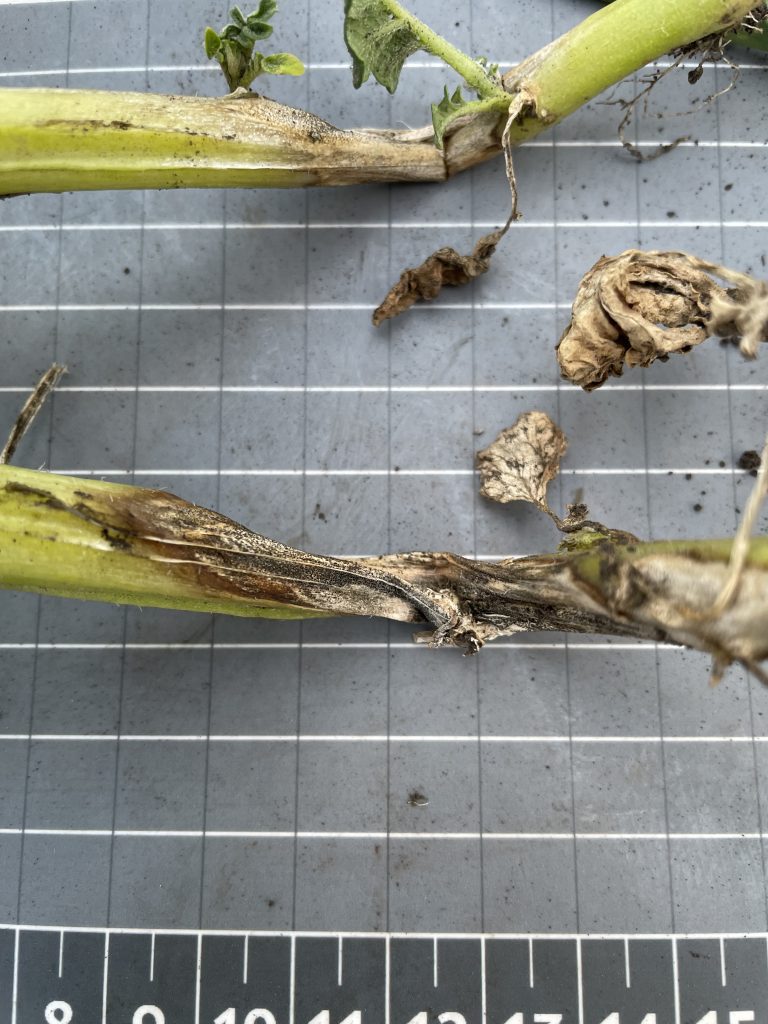
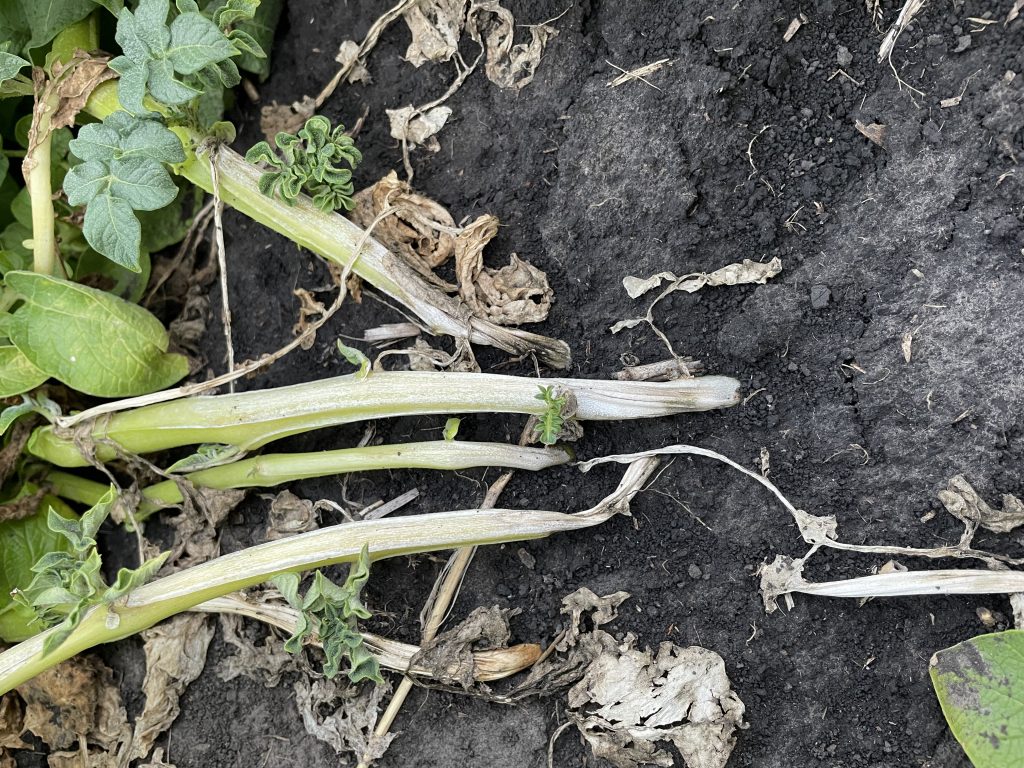
- Specifics: While just 5 years ago anthracnose was mostly read about in articles, today it is massively found across growers’ fields.
- Danger: It causes dry rot, complete stricture of the stems, and a halt in tuber filling (resulting in an unmarketable small fraction of 35–40 mm).
- Solution: A large-scale screening of products was conducted at the company’s new research center in Chernogolovka. High efficacy against anthracnose was demonstrated by “Bayside”, “Idikum”, and “Rondash”. Experts note: simply adding strobilurins to a tank mix to fight this disease is ineffective.
4. Bacterial Diseases and Early Late Blight
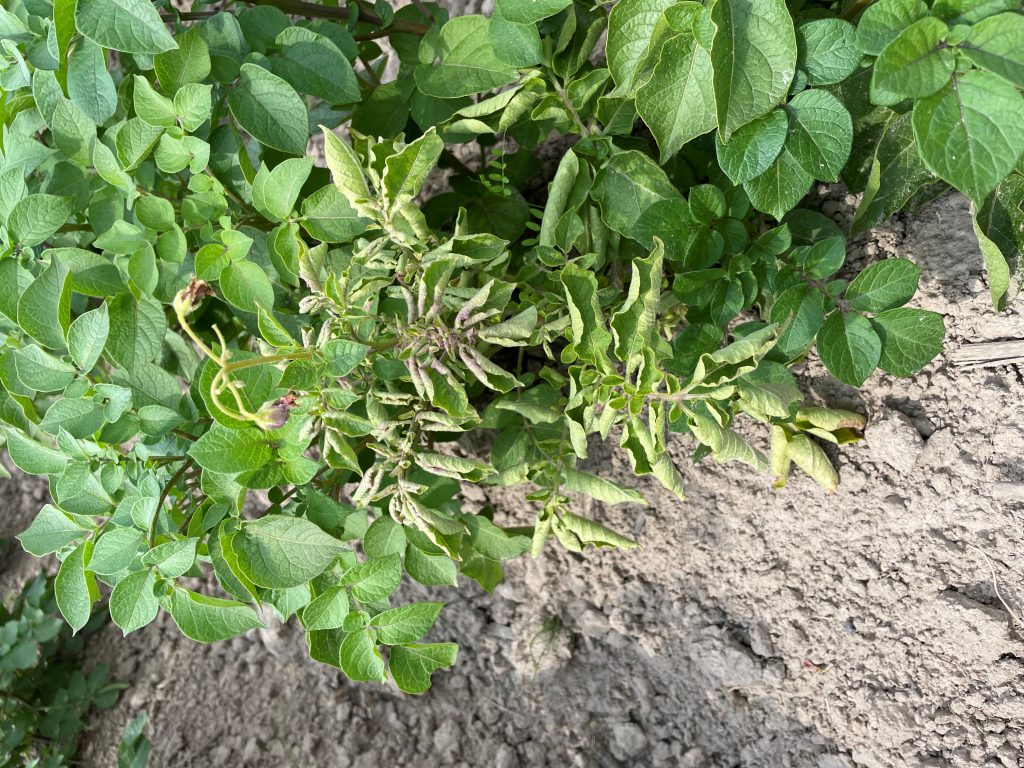
- Late Blight (Phytophthora): Infected seed tubers can cause an outbreak of late blight as early as the initial stages of vegetation (rather than in the second half of summer, as is usual). Suppressing such an infection requires a protectant containing metalaxyl or mefenoxam. The company’s lineup will soon feature the new product “Rondash”, which contains metalaxyl.
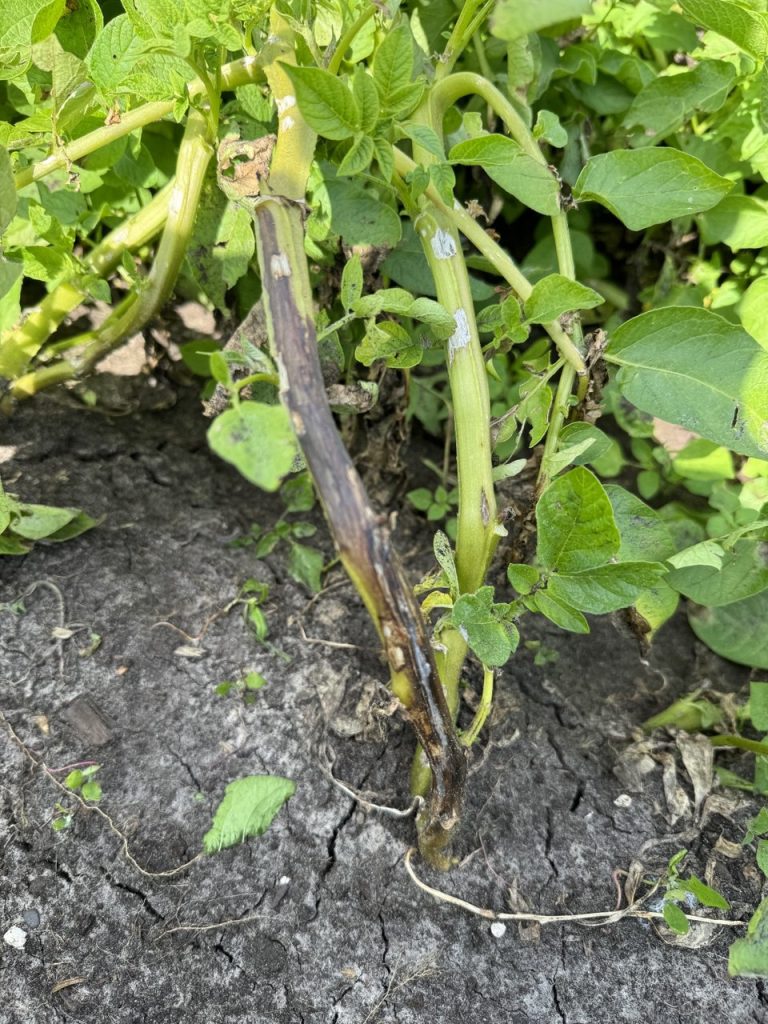
- Bacterioses (Blackleg, Ring Rot): There are no direct chemical products that 100% destroy bacteria inside the tuber. Protection is built on a complex of preventive measures: the use of high-quality seed material, balanced nutrition, correct watering, rogueing (phytocleaning), and treatment with bacteriostatic products based on thiram (“TMTD”). To heal mechanical wounds on tubers, fludioxonil (“Sinclair”) is used, which prevents the infection from redistributing.
The Decision Matrix: A Simple Algorithm for Agronomists
Summing up, Vladimir Barkov presented a highly convenient working tool — the “Avgust” phytopathological matrix for seed protectants.
The algorithm of actions for a farmer comes down to three simple steps:
- Submit the seed material to a laboratory for phyto-expertise.
- Receive the results detailing the identified pathogen complex.
- Open the company’s matrix, choose a ready-made solution for your specific problem, and apply it in your production.
Such a scientific, yet highly practical approach allows potato growers to stop acting blindly and start investing in crop protection with maximum accuracy and profitability.