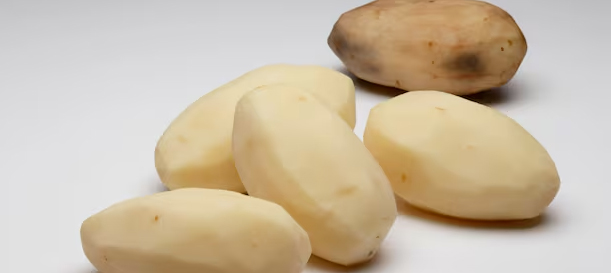
The prolonged approval process for J.R. Simplot’s SPS-Y9 potato in South Korea highlights the trade barriers created by complex, multi-agency biotechnology regulations, even for products deemed safe by major international markets. This case has escalated from a corporate headache to a diplomatic trade concern, underscoring the real-world impact of asynchronous global GMO policies.
The SPS-Y9 potato, engineered for reduced bruising, lower acrylamide potential, and late blight resistance, requested import approval into South Korea in April 2018. It received a favorable environmental risk assessment from the Rural Development Administration (RDA) in February 2023—a seven-year wait for just one step in the process. For final approval for food use, the Ministry of Food and Drug Safety (MFDS) must now lead a review that requires mandatory consultations with at least three other ministries: Environment, Oceans & Fisheries, and the RDA again. This multi-ministry bottleneck, criticized by AMCHAM and the USDA as “long and unpredictable,” stands in stark contrast to approvals in other key Asian markets. Japan approved the potato for food and feed in 2019, following Canada’s approval for cultivation and consumption in 2017. Australia and New Zealand have also given the green light. The frustration culminated in a November 2023 U.S.-Korea leaders’ joint statement, where Korea committed to “streamline regulatory approval procedures for agricultural biotechnology products and resolve delays in U.S. applications.”
This delay occurs within a broader context. South Korea is one of the world’s largest importers of GM corn and soybeans for feed, with over 9 million metric tons of GM grain imported annually. The country maintains a zero-tolerance policy on unapproved GMO cultivation but has a de facto reliance on approved GM imports for its livestock and food processing industries. The SPS-Y9 case exemplifies the challenge of “asynchronous approval,” where a product authorized in exporting countries faces protracted reviews in an importing nation, disrupting trade and innovation. According to a 2023 report by the International Service for the Acquisition of Agri-biotech Applications (ISAAA), asynchronous approvals remain a top constraint to global trade in biotech crops, costing billions and stifling the adoption of beneficial traits like disease resistance and reduced food waste, which the SPS-Y9 potato is designed to address.
The stalled approval of Simplot’s SPS-Y9 potato in South Korea is more than an administrative delay; it is a microcosm of the challenges facing agricultural biotechnology trade. While justified by the precautionary principle, overly complex and non-transparent multi-ministry review systems can effectively become non-tariff trade barriers, hindering market access for innovative products that have already passed rigorous scientific scrutiny elsewhere. For farmers and agribusinesses, this case illustrates the significant commercial risk and timeline uncertainty involved in navigating divergent international regulatory landscapes. It also highlights a growing tension: nations reliant on GM imports for core industries must balance domestic political sensitivities with international trade obligations and the practical need for efficient, science-based review pathways to ensure a stable and innovative food supply chain.