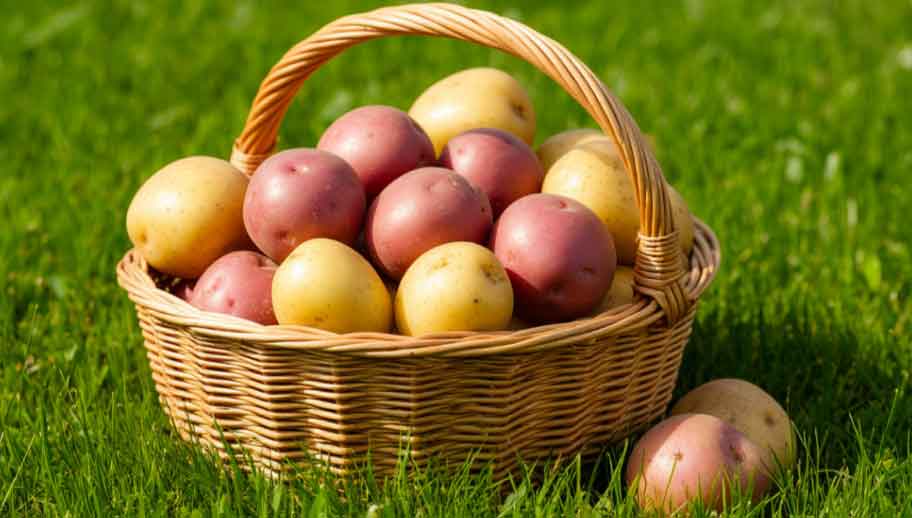
Official data from Russia’s Ministry of Agriculture confirms that national self-sufficiency in potatoes reached 97.9% in 2025, exceeding the 95% threshold established by the Food Security Doctrine . This achievement places potatoes alongside grain (161%), meat (102%), and fish products (128.8%) as sectors where domestic production reliably meets national requirements . The milestone reflects what analysts describe as a “consistent supply crucial for maintaining market equilibrium,” with the organized agricultural sector contributing an additional 300,000 tonnes to stabilize prices and prevent major market distortions . The vegetable sector closely approaches its target at 89.6%, with the Ministry targeting the 90% threshold by 2029 .
However, the self-sufficiency landscape reveals persistent challenges. Milk and dairy products stand at 85.3% against a 90% doctrine target, while fruits and berries remain the most significant gap at 44%, far below the 60% threshold . Updated government strategy now targets 50% fruit self-sufficiency by 2030, acknowledging the need for accelerated development in perennial crops . The Ministry’s strategic response emphasizes “development of breeding, genetics and application of modern technologies” as the pathway to closing these gaps while improving efficiency and reducing production costs across all sectors. This aligns with broader state initiatives, including subsidizing up to 70% of molecular-genetic research costs for livestock and developing domestic breeding programs—a recognition that food security increasingly depends on genetic independence as much as production volume .
Russia’s achievement of potato self-sufficiency marks a significant milestone in national food security, yet the data reveals a two-tiered reality: staple crops like grains, potatoes, and meat have reached or exceeded targets, while dairy, vegetables, and particularly fruits require sustained investment. The Ministry’s emphasis on genetics, breeding, and technology signals the next phase of agricultural development—moving from volume-based security to quality, efficiency, and genetic sovereignty. For agricultural professionals, this creates strategic opportunities in sectors where thresholds remain unmet and in the emerging technologies that will drive future productivity gains.