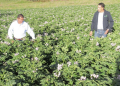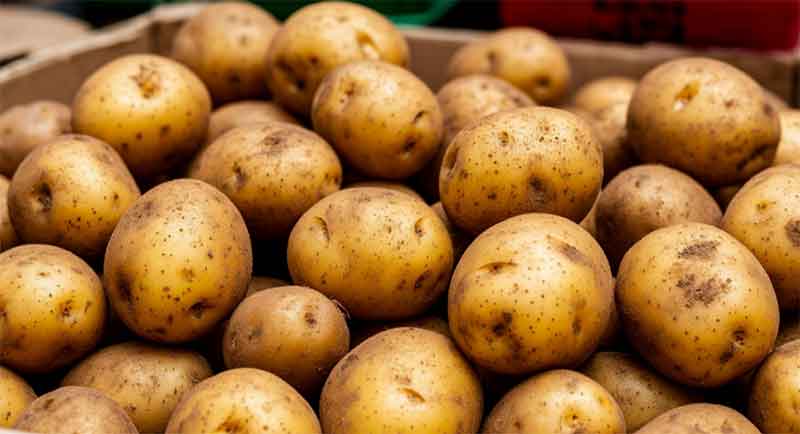
The Russian potato market is experiencing a profound paradox: while farmers report abundant harvests with a production cost of 15-27 RUB/kg, retail prices in major cities have tripled, often exceeding the cost of imported citrus. The primary issue is not a yield deficit, but a supply chain failure. Large retail chains, prioritizing centralized procurement and high margins, favor large-volume import contracts from countries like Egypt, Israel, and Azerbaijan over navigating the logistical and bureaucratic complexity of sourcing from numerous domestic small to mid-sized farms. This creates an artificial scarcity on shelves, where imported produce with a lower entry price is more attractive to retailers than local potatoes sold at a “fair” farmgate price of 40-50 RUB/kg.
This scenario is not unique. Globally, increasing retail consolidation has shifted bargaining power dramatically. A 2023 FAO report highlights how concentrated buyer power can suppress farmgate prices while inflating consumer costs, a phenomenon seen in markets from Europe to North America. Furthermore, the bureaucratic burden described—the “huge package of documents, certificates, and approvals” required to access supermarket shelves—disproportionately disadvantages smallholders, a well-documented barrier to market entry worldwide. The parallel drawn with the earlier egg crisis underscores a pattern where supply chain bottlenecks and speculative behavior, rather than actual production shortfalls, drive inflationary spikes. The erosion of true “farmers’ markets” into spaces for resellers further severs the direct producer-consumer link, a trend countered in other regions by robust policies supporting local food hubs and cooperative marketing models.
The Russian potato price crisis is a stark case study in modern agricultural economics. It demonstrates that production efficiency alone cannot ensure market success or food affordability. The real challenges lie in the middle of the supply chain: logistics, market concentration, and policy frameworks. For farmers and agri-professionals, the imperative is clear: resilience requires building alternative market pathways. This includes investing in producer cooperatives to achieve scale, developing direct-to-consumer sales through digital platforms, and advocating for policies that reduce intermediary power and streamline certification processes. Ultimately, food security depends not just on growing food, but on building fair and functional systems to deliver it.