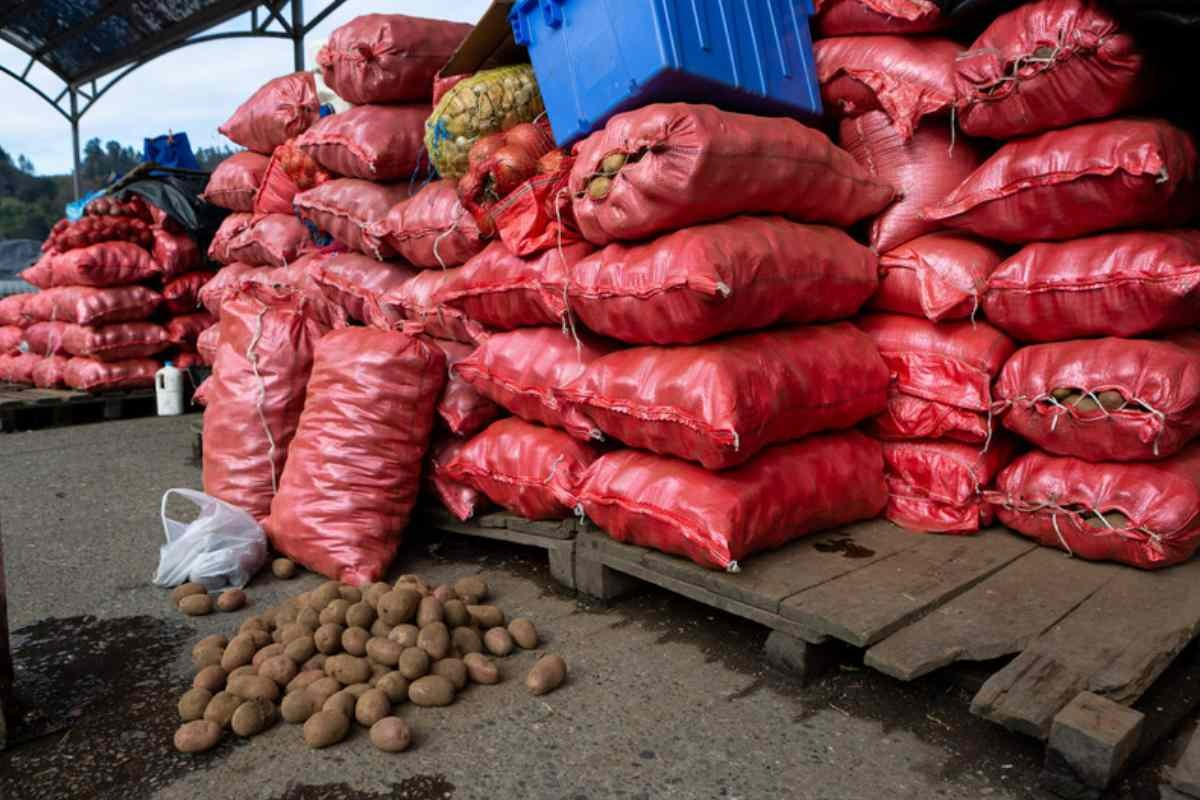
The potato sector in Chile is going through its most difficult period in the last ten years. The current season has been described by market observers and farmers as the worst in a decade, driven by a combination of overproduction and a dramatic collapse in prices, creating deep uncertainty for the next planting campaign.
Why is this the worst season in ten years?
The crisis is primarily the result of a severe supply shock:
- Excess supply: A significant increase in planted area, combined with improved yields, led to a sharp rise in national potato production. This surplus flooded the domestic market.
- Sharp price collapse: The price of a sack of potatoes fell from over CLP 20,000 in the previous season to an average of just CLP 2,000 this year, making production economically unsustainable for many growers.
Impact on farmers
The effects on potato producers have been severe:
- Economic losses: Current market prices do not cover production costs, resulting in substantial financial losses across the sector.
- High uncertainty: With no clear outlook on prices, farmers lack the confidence needed to plan the next planting season, increasing the likelihood of a reduction in planted area.
What to expect next?
A decline in potato planting is expected for the upcoming season. However, this will largely depend on:
- the prices achieved in the remainder of the current harvest, and
- whether producers can benefit from lower production costs in the next cycle.
In addition to market imbalances, climatic issues have also affected potato quality, further worsening the situation for growers and reducing their ability to recover losses.
Outlook
In summary, Chile’s potato crisis stems from an oversupply-driven price collapse, compounded by quality issues linked to weather conditions. The sector now faces a critical adjustment phase, with farmers operating in a highly vulnerable environment and future production decisions hanging in the balance.
http://argenpapa.com.ar/noticia/16921-