A Hailstorm That Devastated the Season
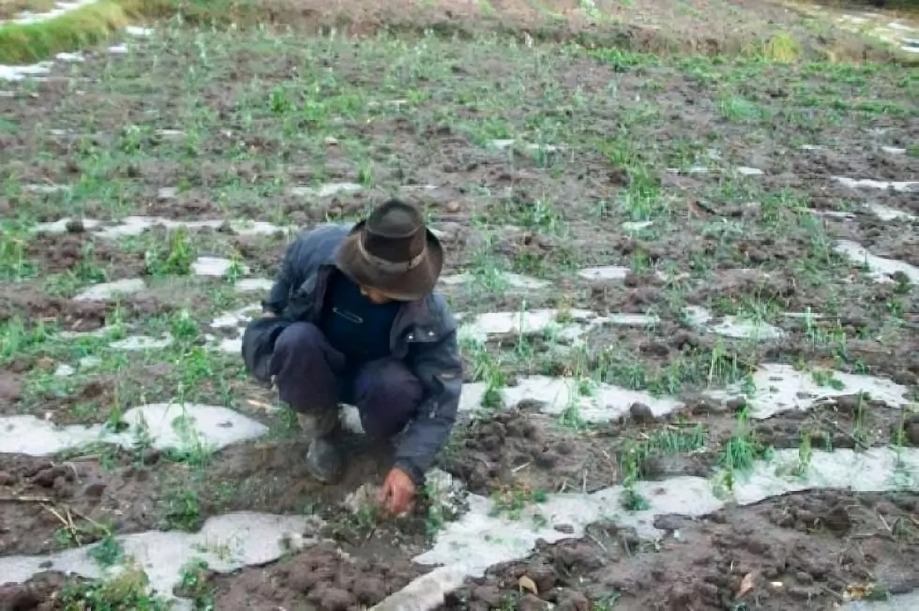
A strong hailstorm struck the municipality of Sacaca in the Potosí department, destroying potato fields within minutes. For this high-altitude region, potatoes are a key crop and a vital source of food and income. Extreme weather events have become increasingly common, making each growing season more vulnerable.
Historical coverage on Potatoes News has shown that areas of Potosí and Oruro frequently face weather challenges—hail, frost, droughts—that severely affect local agriculture.
Scale of the Damage
According to preliminary reports from local authorities and farming communities:
- large areas of potato crops were damaged;
- some fields were completely wiped out;
- households lost produce intended for both market sale and family consumption;
- rural infrastructure and roads were also affected.
For many families, this represents a direct economic setback and a risk to their food security.
Why Bolivia Faces Increasing Weather Risks
Analysis of previous potatoes.news coverage shows clear trends over the past 5–7 years:
- extreme localized weather events—hail, storms, sudden frosts—are becoming more frequent;
- agricultural infrastructure is lagging behind climate change adaptation needs;
- farmers often have limited access to crop protection or preventive technologies.
There is growing discussion in Bolivia about implementing early-warning systems and introducing more climate-resilient potato varieties.
Market Consequences
1. Local price increases
Reduced supply could push potato prices up in affected areas.
2. Greater reliance on imports
Some regions may temporarily increase purchases from Peru or Argentina.
3. Need for government support
Farmers expect emergency assistance, crop insurance payouts, and replanting subsidies.
Recovery Strategies
Based on patterns documented in previous Potatoes News reports, farmers usually resort to:
- replanting late-maturing varieties (if the season allows),
- switching to more resilient potato types,
- cooperative purchases of crop protection tools,
- participation in government relief programs.
Recovery in high-altitude regions, however, is slower due to short growing seasons and limited infrastructure.
Discussion Question
Can Bolivian farmers adapt to the increasing frequency of extreme weather events, or does the sector now require systemic government support to remain viable?
Bolivia: Granizada en Sacaca destruye cultivos de papa
argenpapa.com.ar/noticia/16799-