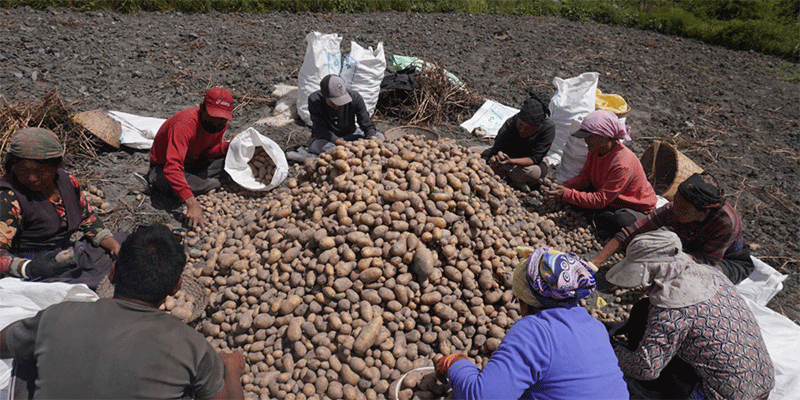
California, known globally for its diverse agricultural outputs, faces ongoing challenges in maintaining profitability and sustainability in the face of changing consumer tastes and environmental constraints. One critical aspect of this transformation lies in the evolution of sweet potato cultivation. Through collaborative efforts involving researchers like Scott Stoddard of the University of California Cooperative Extension and Louisiana State University breeder Don LaBonte, novel sweet potato varieties are being developed to meet the specific needs of Californian growers and consumers alike.
Development of New Varieties
Recent years have witnessed significant advancements in cultivating sweet potatoes suitable for California’s distinct climatic conditions. Key highlights include:
- Purple-Skinned Varieties: Introducing Stokes Purple and Ben Yagi, these exotic-looking tubers have gained popularity for their health benefits and visual appeal. These varieties are becoming increasingly prevalent, with over 1,000 acres dedicated to their cultivation.
- Red-Skinned Types: Efforts are underway to find superior alternatives to the traditional Diane variety, focusing on enhanced yield, disease resistance, and storage capabilities. Experimental varieties such as Vermillion and Burgundy aim to address these issues.
- High-Yielding Orange-Fleshed Options: Varieties like Bellevue, characterized by their attractive appearance and resistance to root-knot nematodes, have become staple choices for growers.
Challenges and Solutions
Californian farmers grapple with numerous obstacles, including reduced land availability, fluctuating market demands, and regulatory burdens. To overcome these hurdles, Stoddard and his team emphasize continuous evaluation and refinement of new strains. Innovations such as dry fallowing techniques help mitigate pest infestation without relying heavily on pesticides.
Moreover, education plays a crucial role. Farmers and retailers alike benefit from understanding proper preparation methods for these new varieties. For instance, cooking techniques differ significantly depending on the type of sweet potato. Stokes Purple requires extended cooking times to achieve optimal texture and flavor.
Future Outlook
With the advent of genetically engineered solutions and advanced biotechnology tools, the future appears brighter for California’s sweet potato industry. Continued collaboration between universities, government agencies, and private enterprises ensures that farmers receive access to cutting-edge technologies and expertise needed to sustain profitable operations.
Additionally, organic farming practices are gaining traction. California leads in this domain, thanks partly to favorable weather conditions that minimize reliance on chemical inputs. Organic production provides a competitive edge, allowing growers to tap into lucrative specialty markets both domestically and internationally.
Through targeted research initiatives and cooperative endeavors, California’s sweet potato industry is poised for continued growth and adaptation. Novel varieties and modern cultivation techniques ensure that farmers remain resilient in the face of adversity, securing a prosperous future for generations to come.